
Introduction
The Ring of Kerry is a 179-kilometer scenic loop through County Kerry that has become Ireland’s most famous road trip. The circuit passes through dramatic landscape—mountain valleys, coastal vistas, small villages, and some of Ireland’s most spectacular scenery. Every year, hundreds of thousands of visitors drive the Ring, making it one of Ireland’s most visited attractions.
The Ring’s fame is justified. The road trip delivers exceptional scenery, provides access to significant historical sites, passes through charming villages, and allows travelers to experience a substantial portion of Ireland’s southwestern landscape in a logical, manageable itinerary.
However, the Ring of Kerry presents a paradox: its very popularity has transformed it. The road has become crowded, particularly in summer months. Tour buses dominate the narrow road, creating congestion and safety concerns. The villages along the route have commercialized to serve the tourism economy. Yet despite these challenges, the Ring of Kerry remains one of Ireland’s essential travel experiences, rewarding those who approach it with realistic expectations and thoughtful planning.
The Ring Route: Complete Geography
The Ring of Kerry forms a roughly circular loop centered on the Iveragh Peninsula in County Kerry. The circuit begins and ends in Killarney, the region’s main town. The route proceeds clockwise (or counterclockwise—both directions work), winding through various towns and landscape features.
Starting from Killarney, the route typically proceeds westward to Killorglin, then southward along the coast toward Cahersiveen, continues west to Kenmare, then eastward back to Killarney. Various stops and detours are possible along the route, and the time required varies considerably depending on how thoroughly you explore.
The road is well-maintained, paved, and suitable for standard cars. However, the road is narrow in places, particularly on the western sections. Large tour buses navigate the road with difficulty—drivers need caution, particularly when encountering oncoming buses on narrow stretches.
The Northern Section: Killarney to Killorglin
Killarney: The Gateway Town
Killarney is the primary town for Ring of Kerry access and the most developed tourist destination in the region. The town serves as a travel hub and accommodation center. Most visitors either base themselves in Killarney for the duration of their Ring tour or begin and end their tour here.
Killarney offers excellent accommodations, diverse dining options, and significant attractions independent of the Ring. Muckross House (a Victorian mansion), Muckross Abbey, and Killarney National Park provide reasons to spend time in the town beyond simply using it as a starting point.
Killarney’s medieval history is evident in the town’s layout and surviving structures, though much has been transformed by tourism development. The town’s character is primarily contemporary—commercial, busy, and tourism-focused.
Muckross Peninsula and Lough Leane
Southwest of Killarney, the Muckross Peninsula extends into Lough Leane (the largest of the Killarney lakes). This area combines natural landscape with cultural attractions. The Muckross estate includes gardens, a working farm demonstrating historical agricultural practices, and forest walking trails.
Lough Leane itself provides waterscape scenery. Boat tours on the lake provide perspectives different from land-based road travel. The lake supports diverse wildlife and provides recreation opportunities.
Killorglin and the Laune River
Killorglin is a working market town that has maintained considerable character despite tourism development. The town sits on the Laune River and serves as a local economic center for surrounding communities.
Killorglin is famous for Puck Fair, an ancient festival occurring in August where a goat is crowned “King of Ireland” in a tradition claimed to date back centuries. The festival reflects the region’s cultural distinctiveness and ancient traditions.
The Western Section: Killorglin to Cahersiveen
This section of the Ring transitions to more dramatic landscape. The road climbs into mountain passes, offering expanding views. The landscape becomes noticeably wilder and more dramatic.
Glencar Pass
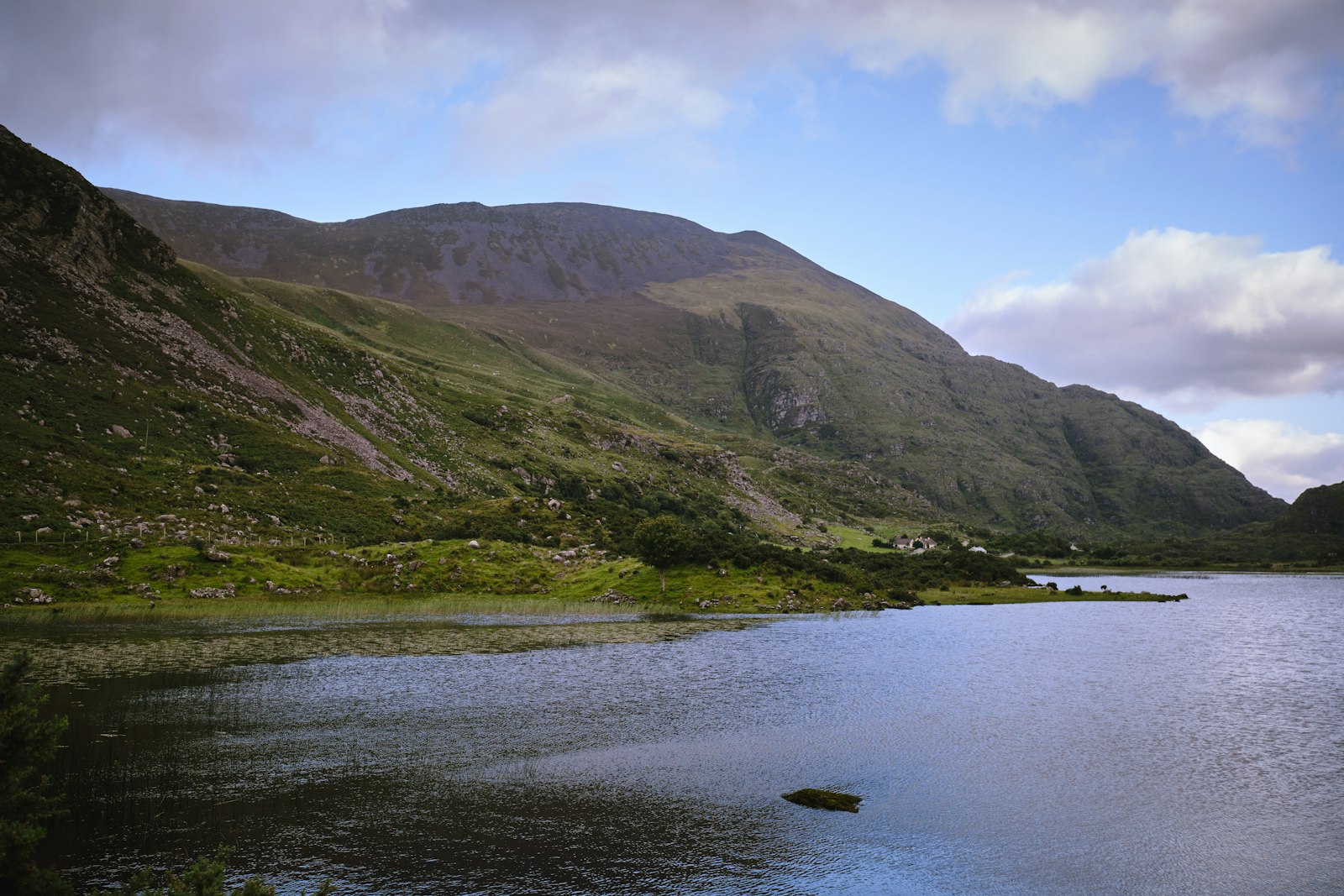
Glencar Pass is one of the Ring’s most spectacular sections. The road climbs through a narrow valley with mountains rising on either side. The pass creates a dramatic landscape gateway. Photographers frequently stop here for images of the dramatic terrain.
Caragh Lake
Caragh Lake provides an optional detour from the main Ring route. The lake is beautiful and relatively undeveloped compared to the main road corridor. The detour adds time but provides a quieter, more natural perspective on the landscape.
Cahersiveen: Gateway to the West
Cahersiveen is a working fishing town on the coast. The town has developed tourism infrastructure but retains authentic character as a working community. The town’s setting on the coast and nearness to various attractions make it a logical stopping point.
Cahersiveen provides access to Valentia Island (accessible by bridge), which offers additional coastal scenery and archaeological sites. Skellig Michael (the remote monastic island) is also accessible from nearby Portmagee via boat tours.
The Southern Section: Cahersiveen to Sneem
This section hugs the coastline, providing dramatic ocean vistas. The landscape transitions from industrial fishing town to small villages and natural coastline.
Ballinskelligs
Ballinskelligs is a small village featuring a beach and relatively quiet, undeveloped character. The village provides access to local beaches and serves as a quieter alternative to more touristed towns.
Derrynane National Historic Park
Derrynane House was the home of Daniel O’Connell, a major figure in Irish history and independence movements. The house and surrounding estate provide historical context and landscape access.
The estate includes gardens, beaches, and walking trails. The house interior is open for touring and provides insight into 19th-century Anglo-Irish gentry life.
Sneem
Sneem is a charming small village on the Ring’s southern coast. The village features a river, traditional architecture, and artistic community. Sneem has become increasingly known for its artistic character and community support of creative people.
The village green features distinctive painted structures and reflects community investment in aesthetic appeal. The setting is genuinely attractive without feeling engineered like Adare.
The Eastern Section: Sneem to Kenmare to Killarney
This section transitions back toward Killarney, passing through landscape that becomes progressively more developed as you approach the main town.
Kenmare
Kenmare is a larger town featuring excellent accommodations and dining options. The town has maintained considerable charm and character despite tourism development. The town sits at the junction of various roads and provides access to multiple attractions.
Kenmare’s location on the Kenmare River provides waterscape scenery. The town is a more sophisticated alternative to Killarney, with excellent restaurants and upscale accommodations.
The Gap of Dunloe
South of Killarney and west of Kenmare, the Gap of Dunloe provides one of Kerry’s most spectacular scenery experiences. The gap is a narrow pass between mountains, carved by glacial action in the ice age.
The pass is traversable by car, but many visitors prefer hiking or horseback riding through the gap, providing slower-paced engagement with the landscape. Horseback riding is traditional—local guides offer pony trekking through the gap.
The Gap provides dramatic scenery—steep mountain walls, narrow passage, and landscape that feels genuinely wild despite relative accessibility.
Killarney National Park
The national park encompasses significant portions of the Ring area, particularly near Killarney. The park includes lakes, forests, mountains, and diverse landscape. Walking trails of various difficulties provide access to the park’s interior.
The park has historically been important in Irish conservation efforts and represents carefully managed landscape balancing access with ecological protection.
Key Attractions and Stops
Skellig Michael
Accessible from Portmagee near Cahersiveen, Skellig Michael (detailed in a separate article) is one of Ireland’s most extraordinary sites. The monastic island requires boat access and is subject to weather-dependent availability.
Ring of Kerry Scenic Viewpoints
Various viewpoints along the Ring offer opportunities to stop and observe landscape. Popular stops include Ladies’ View (offering panoramic landscape views), Moll’s Gap, and various pullouts along the coast.
Valentia Island
Accessible by bridge near Cahersiveen, Valentia Island offers additional coastal scenery, beaches, and archaeological sites. The island feels removed from the main Ring traffic despite bridge access.
Archaeological Sites
Various archaeological sites are accessible from Ring stops—stone circles, ancient forts, and monastic remains. These sites vary in preservation and accessibility but provide windows into ancient and medieval Ireland.
Villages and Pubs
Each village along the Ring offers opportunities to stop, eat, and experience local character. Traditional pubs in villages like Sneem, Killorglin, and Kenmare provide opportunities for traditional music sessions and social engagement.
Road Conditions and Traffic
The Ring of Kerry is well-maintained but narrow, particularly on western sections. The road has been improved in recent years, but congestion and traffic remain challenges during peak season.
Tour bus traffic is heavy, particularly during mid-summer. Buses are large and navigate narrow stretches with difficulty. Meeting an oncoming bus on a narrow road requires careful positioning. Visitors should:
- Drive carefully and defensively
- Avoid peak daylight hours (10 AM-4 PM) when bus traffic is heaviest
- Consider driving counterclockwise (which favors small vehicles over large buses)
- Be aware of road markings and centerlines
- Allow extra time—driving the Ring requires patience
The road is safe but requires attention and caution. Fatalities do occur, typically from drivers unfamiliar with left-hand driving or those driving too quickly for conditions.
Seasonality and Weather
The Ring is accessible year-round but experience varies dramatically by season.
Summer (June-August) provides warm weather, long daylight, and vibrant landscape. However, the season brings peak crowds, congestion, and higher prices. June and early September offer better conditions—pleasant weather with fewer crowds.
Spring (April-May) brings new growth, flowers, and improving weather. Daylight extends, and weather becomes more predictable. Crowds are moderate. This is an excellent time for most visitors.
Autumn (September-November) offers beautiful light, fewer crowds than summer, and dramatic seasonal colors. The landscape transitions through rich tones. Weather becomes less predictable, but clear autumn days can be spectacular.
Winter (December-March) brings cold, frequently rainy conditions. Daylight is limited. The Ring is less appealing for most visitors, though those enjoying dramatic weather find winter rewarding.
Practical Driving Itinerary
One-Day Ring Drive
Morning start from Killarney, drive the Ring in one day (7-8 hours of driving). Stop at major viewpoints and towns but don’t linger extensively anywhere. This provides overview of the entire Ring but limited depth of experience. Not recommended.
Two-Day Ring Tour
Day 1: Killarney to Kenmare (western section), overnight in Kenmare.
Day 2: Kenmare to Killarney via the eastern sections, depart.
This provides moderate experience of the Ring with time for some stops and exploration.
Three-Day Ring Tour
Day 1: Killarney to Cahersiveen (northern and western sections), overnight in Cahersiveen.
Day 2: Cahersiveen to Kenmare (southern section), overnight in Kenmare.
Day 3: Kenmare to Killarney (eastern section), depart.
This provides adequate time for stops, short walks, and moderate exploration.
Four to Five-Day Ring Tour
Split the Ring among multiple days, allowing significant time in each area. Combine with nearby attractions—Skellig Michael, Dingle Peninsula, or Beara Peninsula.
This approach provides the best experience and deepest engagement with the landscape and communities.
Practical Tips for Ring Success
Navigation
The Ring is clearly marked and easy to follow. Signs indicate direction around the loop. Getting lost is unlikely. However, detailed maps are valuable for planning stops and understanding geography.
Fuel
Ensure your vehicle has adequate fuel before starting sections without towns. Fuel stations exist in larger towns but are less common in rural areas.
Parking
Parking is available at towns and viewpoints but can be challenging during peak season. Arrive early at popular viewpoints or use off-peak hours.
Food and Dining
Pack snacks and water. While restaurants and cafes exist in towns, quality and availability vary. Planning meal stops in advance helps avoid frustration.
Time Management
Don’t underestimate the time required. Even without stops, the Ring requires 5-6 hours of driving. With stops and exploration, full-day driving is necessary.
Alternative Routes and Variations
Clockwise vs. Counterclockwise
Either direction works. Clockwise (Killarney → Killorglin → Cahersiveen → Sneem → Kenmare → Killarney) is traditional. Counterclockwise may offer advantages by providing smaller vehicles priority on narrow sections where bus traffic is heavy.
Dingle Peninsula Extension
The Dingle Peninsula, north of Killorglin, offers its own spectacular scenery. Including Dingle extends the trip by 1-2 days but provides different landscape perspectives.
Beara Peninsula
South of Kenmare, the Beara Peninsula offers dramatic mountain-and-coast scenery. The Beara Way alternative route is less touristed than the main Ring.
Loop of Complete Irish Peninsula Circuit
Combining the Ring with Dingle and Beara creates an extended peninsula circuit covering much of southwestern Ireland’s landscape diversity.
Understanding the Ring in Broader Context
The Ring of Kerry is Ireland’s most visited road trip, but it’s one of many scenic drives. Whether the Ring represents the “best” Irish drive is debatable. The Ring offers:
However, other drives offer equal or greater landscape beauty with fewer crowds. The Beara Peninsula, Dingle Peninsula, Connemara coast, or Wild Atlantic Way alternatives each offer distinctive experiences.
The Ring’s value partly derives from convenience and accessibility—you can complete it in a day, it requires no technical skills, and established services support visitors. Other drives may offer deeper or more authentic experiences but require more planning and time investment.
Environmental and Community Considerations
The Ring’s popularity creates environmental pressures. Heavy traffic impacts air quality. Tourist infrastructure requires resources. Local communities experience impacts from rapid tourism growth.
Responsible Ring tourism involves:
Conclusion: The Ring Experience
The Ring of Kerry remains one of Ireland’s essential travel experiences. The landscape is genuinely beautiful, the historical sites are significant, and the variety keeps the drive from becoming monotonous.
However, visitors should approach the Ring with realistic expectations. It’s crowded, particularly in summer. The villages have commercialized to serve tourists. The experience is mediated by traffic and tourism infrastructure rather than providing solitary communion with landscape.
Despite these limitations, the Ring delivers on its promise of spectacular scenery and engaging Irish experience. For American visitors with limited time in Ireland, the Ring provides an efficient way to experience southwestern landscape diversity.
Plan your Ring carefully. Avoid peak season if possible. Allow more time than you think necessary. Stop at unexpected places and engage with communities you encounter. Drive safely and respectfully. And recognize that you’re experiencing something that draws hundreds of thousands of visitors annually—which means the Ring remains popular not because of hype but because it genuinely rewards those who travel it.
The Ring of Kerry isn’t necessarily Ireland’s best landscape drive, but it remains one of Ireland’s most memorable experiences. For that reason, it deserves a place in your Irish itinerary.

Author: jonathan
Jonathan is the publisher of Irishtopia.net, Anglotopia.net, and Londontopia.net. He's passionate about travel and learning about other cultures. He's been to Ireland several times, and uses his travel expertise for Irishtopia!