
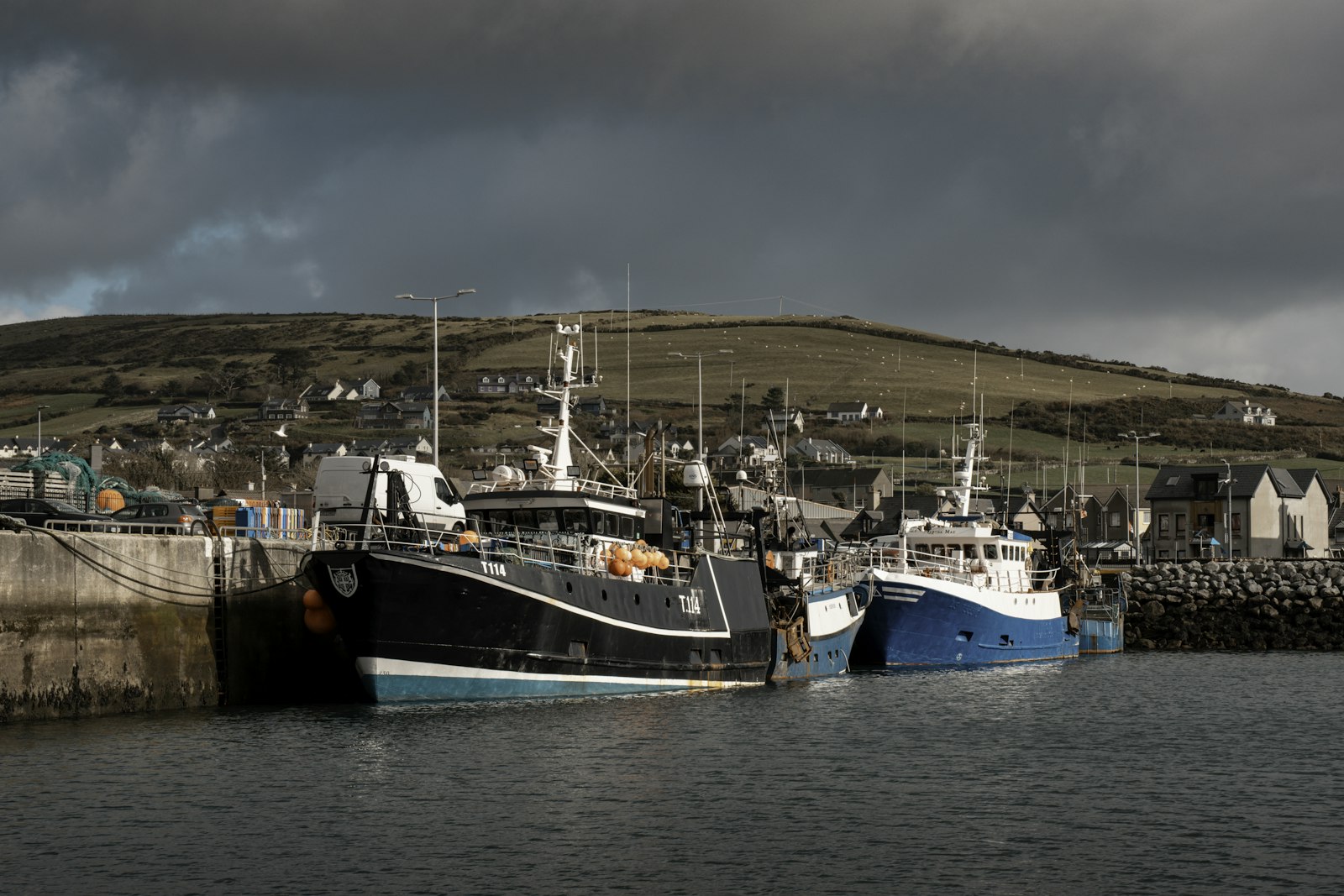
Photo by Raul Kozenevski on Unsplash
Ireland’s relationship with the sea defines its identity, geography, and food. The Irish coast stretches over 1,400 miles, encompassing dramatic cliffs, hidden coves, charming fishing villages, and some of the world’s richest fishing grounds. For Americans seeking authentic Irish culinary experiences, the seafood trail—the journey through Ireland’s fishing communities, markets, and restaurants—offers incomparable access to Irish food tradition rooted in geography and community. Understanding Irish seafood means understanding Irish place, Irish maritime history, and the intricate relationship between sea, land, and people that defines Irish identity.
The Geography of Irish Fishing
Ireland’s geography makes seafood central to Irish food culture. The island is surrounded by productive fishing grounds—the North Atlantic, the Irish Sea, and various smaller waters containing abundant fish and shellfish. Certain areas are particularly productive. Galway Bay yields exceptional oysters. The southwest coast offers abundant mackerel and other fish. The east coast has long history of productive fishing. The west coast, despite less favorable conditions, has communities with deep fishing traditions.
Climate and ocean conditions create distinctive patterns. The Atlantic Ocean provides cold water rich in nutrients, supporting abundant fish populations. The Gulf Stream brings warmer water, creating interesting ecological dynamics. Seasonal patterns determine what fish are available at particular times—mackerel runs in summer, herring in winter, other fish at various seasons. Successful fishing requires understanding these patterns and adapting to them.
The rocky Irish coastline creates conditions favorable for certain fish and shellfish but challenging for fishing operations. Unlike flat, sandy coasts where beach fishing is possible, Ireland’s dramatic cliffs and rocky shores demand boats for serious fishing. This encouraged development of fishing villages in protected harbors, locations where boats could operate safely.
Today, Irish fishing remains economically important though challenged. EU regulations, quotas, and environmental concerns affect fishing operations. Nevertheless, fishing communities persist in maintaining traditions while adapting to contemporary constraints. Many Irish fishing villages combine traditional fishing with tourism, offering visitors access to fishing heritage and seafood products.
Historic Fishing Villages: Community and Tradition
Traditional Irish fishing villages developed around protected harbors where boats could be safely moored and maintained. These villages developed distinctive characters reflecting their local geography and fishing traditions. Some villages specialized in particular fish. Some developed distinctive boat designs adapted to local conditions. The villages became tight-knit communities where fishing knowledge was passed through generations.
Howth, located near Dublin, served as major fishing harbor for centuries. The village developed clustered houses, narrow streets, and harbor facilities supporting fishing operations. Historic Howth retains character of traditional fishing village despite proximity to Dublin and modern pressures. Local restaurants emphasize fresh seafood from Howth fleet.
Dunmore East, in County Waterford, represents major fishing community developing through industrial-era expansion. The village combines traditional character with modern fishing operations. The harbor bustles with fishing boats, and the community maintains strong fishing identity even as modernization transforms fishing practices.
Mallaig and other west coast villages feature dramatic landscapes and smaller, more traditional fishing operations. These communities often depend more heavily on tourism than larger fishing harbors, as the fish populations are smaller and the geography more challenging. Yet the villages maintain authentic fishing traditions and offer visitors genuine experience of fishing heritage.
Howth, Dunmore East, and villages like them represent living tradition. These aren’t museum villages preserved in aspic but actual communities where people fish, live, and work. Visiting fishing villages means encountering real people engaged in real work, not performances of tradition for tourist consumption.
Traditional Fish Species and Seasonal Patterns
Irish fishing tradition emphasizes particular fish species shaped by availability and cultural preference. Mackerel represents iconic Irish fish—abundant, flavorful, and central to coastal diet. Mackerel runs occur in summer, bringing abundance when the fish migrate north. Traditional smokehouses in coastal villages process mackerel by smoking, creating products that store well and travel effectively.
Herring was historically even more important than mackerel. Herring runs occurred in winter, providing food during months when fresh fish was less available. Herring was salted, smoked, and preserved in various ways, creating products that sustained coastal communities. Declining herring stocks due to overfishing reduced herring’s importance, though the fish remains culturally significant.
Cod represents another traditional species, abundant in Atlantic waters. Cod is versatile—suitable for multiple preparations, with white flesh that suits various cooking methods. Dried salted cod (salt cod) represents one traditional preservation method, though the practice has become less common. Cod and fish and chips became iconic combination, particularly in working-class British and Irish culture.
Whitefish species—including haddock, pollock, and various others—are caught and consumed regularly. These fish are somewhat less culturally significant than mackerel or herring but represent important part of actual fishing activity and consumption. The fish support local fishing operations and provide economic activity.
Shellfish represents another important category. Oysters, mussels, cockles, clams, and other shellfish are harvested from Irish waters. Galway oysters specifically have international reputation. Mussels are farmed in certain areas, creating sustainable seafood production. Shellfish require less energy-intensive processing than fish, making them relatively sustainable food source.
Seafood Preparation: Traditional Methods and Modern Cooking
Irish seafood preparation historically emphasized simplicity. Fish was grilled, fried, boiled, or smoked. Preparations respected the fish’s quality rather than masking it with elaborate sauces. This practical approach reflected both fishing culture’s values and the quality of fresh seafood—the best fish needs minimal preparation.
Smoking represents traditional preservation and preparation method. Mackerel and herring were smoked to preserve them and create distinct flavors. Traditional smokehouses used peat or wood smoke, creating distinctive character. Modern smokehouses continue these traditions, producing smoked fish products sold in markets and restaurants.
Fish and chips became iconic preparation, though it developed from British rather than distinctly Irish tradition. Nevertheless, fish and chips is ubiquitous in Ireland, and quality versions using fresh fish from local sources represent genuine culinary experience. Finding excellent fish and chips requires seeking establishments using quality fish and proper technique.
Modern Irish cuisine applies contemporary techniques to traditional ingredients. Chefs use fresh seafood in innovative preparations while respecting the ingredient’s quality. Michelin-starred restaurants in Irish towns emphasize local seafood, often featuring fish caught in nearby waters. This represents interesting balance between tradition and innovation—modern technique respecting traditional ingredients and values.
Oyster preparation illustrates different approaches. Traditionally oysters were eaten raw, simply with bread and butter. Modern restaurants often prepare oysters with creative accompaniments—mignonettes, unusual sauces, and preparations emphasizing flavor complexity. Both approaches have merit—traditional approach emphasizes the oyster itself, while modern approach creates interesting flavor combinations.
Oyster Culture: Galway’s Finest Tradition
Galway oysters represent perhaps the most internationally famous Irish seafood product. Galway Bay yields exceptional oysters—large, flavorful, with distinctive character. These oysters have been harvested for centuries and remain important cultural and economic product for Galway and surrounding region.
The oysters’ quality reflects Galway Bay’s unique conditions. The water has perfect balance of salinity and nutrients supporting oyster growth. The oyster beds, naturally occurring or cultivated through aquaculture, produce shellfish prized by chefs and oyster enthusiasts worldwide.
The Galway Oyster Festival, held annually in September, celebrates oyster tradition. The festival draws visitors from around the world to taste oysters, celebrate harvest, and participate in cultural events. The festival is serious celebration of oyster culture—competitive oyster opening contests, oyster appreciation dinners, and educational events emphasizing oyster history and cultivation.
Oyster consumption traditionally followed seasonal patterns. Oysters were available during months with “R”—September through April—according to traditional wisdom, when water temperatures were cooler and oysters were spawning. Summer consumption was traditionally avoided, though modern refrigeration and transportation have made year-round availability possible.
For visitors to Ireland seeking oyster experience, traveling to Galway and eating oysters in seaside restaurants offers genuine culinary and cultural experience. Fresh Galway oysters with crusty brown bread and Irish butter represent something approaching culinary perfection—simple, perfect ingredients requiring minimal preparation.
Markets and Seafood Commerce
Irish fish markets represent valuable places to understand seafood commerce and consumption. Traditional fish markets—morning institutions where boats unload catch and vendors arrange displays—remain important despite modern changes. These markets preserve historic practices while serving modern needs.
Dublin’s Moore Street Market historically served as important fish market, though it has transformed over time. Cork’s English Market includes excellent fish vendors selling fresh local seafood. Smaller fishing villages maintain local markets where visitors can observe fish sales and purchase directly from vendors.
Modern supermarkets have changed seafood distribution significantly. Fresh fish is now widely available through conventional retail, making traditional markets less economically essential. Yet fish markets persist because they serve important functions beyond retail—they maintain community gathering spaces, preserve skills and knowledge, and provide employment for people whose families have worked in fish commerce for generations.
For visitors, visiting fish markets provides valuable cultural experience. Observing how fish is handled, learning about species and quality characteristics, speaking with vendors about their catch—all of this provides education about Irish seafood traditions. Markets in smaller fishing towns offer particularly authentic experiences, less oriented toward tourism than larger city markets.
Fishing Challenges and Contemporary Issues
Contemporary Irish fishing faces significant challenges. EU fishing regulations and quotas limit total catch, affecting fishing communities’ economic viability. Overfishing in previous decades depleted some stocks, necessitating conservation efforts. Climate change affects fish populations and migration patterns. Pollution threatens water quality and seafood safety.
These challenges are real and affect fishing communities substantially. Some communities have experienced genuine economic hardship as fishing became less viable. Younger people sometimes leave fishing communities seeking alternative employment, disrupting generational knowledge transfer.
Yet fishing communities demonstrate remarkable resilience. Many communities have diversified economically, developing tourism alongside fishing. Some have adapted to quotas and regulations, finding ways to fish sustainably and profitably. Educational efforts teach younger people about fishing heritage, maintaining cultural knowledge even if fewer people engage in actual fishing.
Sustainable seafood practices represent important contemporary concern. Some Irish producers emphasize sustainable practices—fishing in ways that preserve fish populations, minimizing environmental damage. Certification systems help consumers identify sustainably sourced seafood. Supporting sustainable practices helps fishing communities maintain viability while protecting marine ecosystems.
Restaurant Culture and Seafood Excellence
Contemporary Irish restaurants emphasize seafood, particularly in coastal areas. Restaurants often feature daily specials highlighting whatever fish or shellfish is fresh—what’s available today depends on what boats brought in. This practice maintains connection between fishing activity and restaurant service, ensuring food freshness.
Excellent seafood restaurants exist throughout Ireland. Some Michelin-starred establishments emphasize local seafood. Others are casual establishments serving excellent food without pretense. Finding good seafood requires seeking establishments with genuine commitment to quality rather than merely serving tourist expectations.
Restaurants near fishing villages often offer particularly excellent seafood simply due to proximity and freshness. A restaurant operating in a fishing village can source fish that arrived hours earlier, before any significant handling or transportation. This freshness creates difference immediately noticeable to experienced eaters.
For American visitors, seeking out seafood restaurants in fishing communities offers genuine advantage. You’re eating food caught locally, prepared immediately, representing authentic culinary tradition. The restaurant sits within context of actual fishing community rather than manufactured tourism experience.
Cooking Seafood at Home
For those interested in cooking Irish seafood at home, basic techniques suffice for quality fish. A fresh mackerel can be filleted and pan-seared simply—a bit of olive oil, salt, pepper, perhaps a squeeze of lemon. The fish’s quality carries the dish.
More elaborate preparations can be equally successful. Irish seafood chowder combines various fish and shellfish in creamy broth, representing traditional preparation particularly associated with Irish coastal culture. The chowder emphasizes ingredient quality while creating warming, substantial dish.
Simple preparations often work best. Grilled fish with fresh vegetables, baked fish with herb butter, poached fish in court bouillon—these techniques highlight rather than obscure the ingredient’s quality. Complex sauces can work but risk overwhelming delicate seafood flavors.
Obtaining quality seafood requires seeking out good fishmongers or fish vendors. Freshness is paramount—the fish should smell pleasantly of ocean, not of “fishiness” which indicates aging. Bright eyes, firm flesh, and proper color all indicate quality. Speaking with vendors about the fish’s origin and quality helps ensure best results.
Seafood as Economic Foundation
Seafood has been economically central to Irish coastal communities for centuries. At various periods, fishing represented major economic activity, employing significant populations and generating substantial revenue. The economy of fishing—boats, equipment, processing, sales, distribution—supported numerous people beyond those directly fishing.
Historically, fishing also influenced broader Irish economic patterns. Salt fish exports represented important trade commodity. Processed fish products were exported internationally. The fishing industry connected Irish communities to broader international commerce.
Contemporary fishing remains economically important despite challenges. The industry still employs people, generates export revenue, and supports coastal communities. Sustainable fishing operations contribute to local economies through employment and business activity. Tourism related to fishing heritage generates additional revenue.
Conclusion: The Sea and Irish Identity
Irish seafood culture represents profound connection between geography, history, culture, and identity. The seafood that Irish people eat, the way they prepare it, the coastal communities built around fishing—all of this reflects Ireland’s maritime geography and people’s relationship with the sea.
For Americans interested in Irish culture and food, the seafood trail offers incomparable access to authentic Irish experience. Traveling through fishing communities, tasting fresh seafood prepared simply, learning about fishing traditions and challenges—all of this provides genuine cultural education impossible to achieve through other means.
The sea defines Ireland. The country’s literature, music, art, and identity all reflect maritime character. The seafood tradition represents one crucial expression of this maritime identity. Understanding Irish seafood means understanding something essential about Ireland and Irish people. When you taste a fresh Galway oyster or a perfectly prepared mackerel in a coastal village restaurant, you’re tasting Ireland’s geography, history, and culture in one bite.

Author: jonathan
Jonathan is the publisher of Irishtopia.net, Anglotopia.net, and Londontopia.net. He's passionate about travel and learning about other cultures. He's been to Ireland several times, and uses his travel expertise for Irishtopia!