
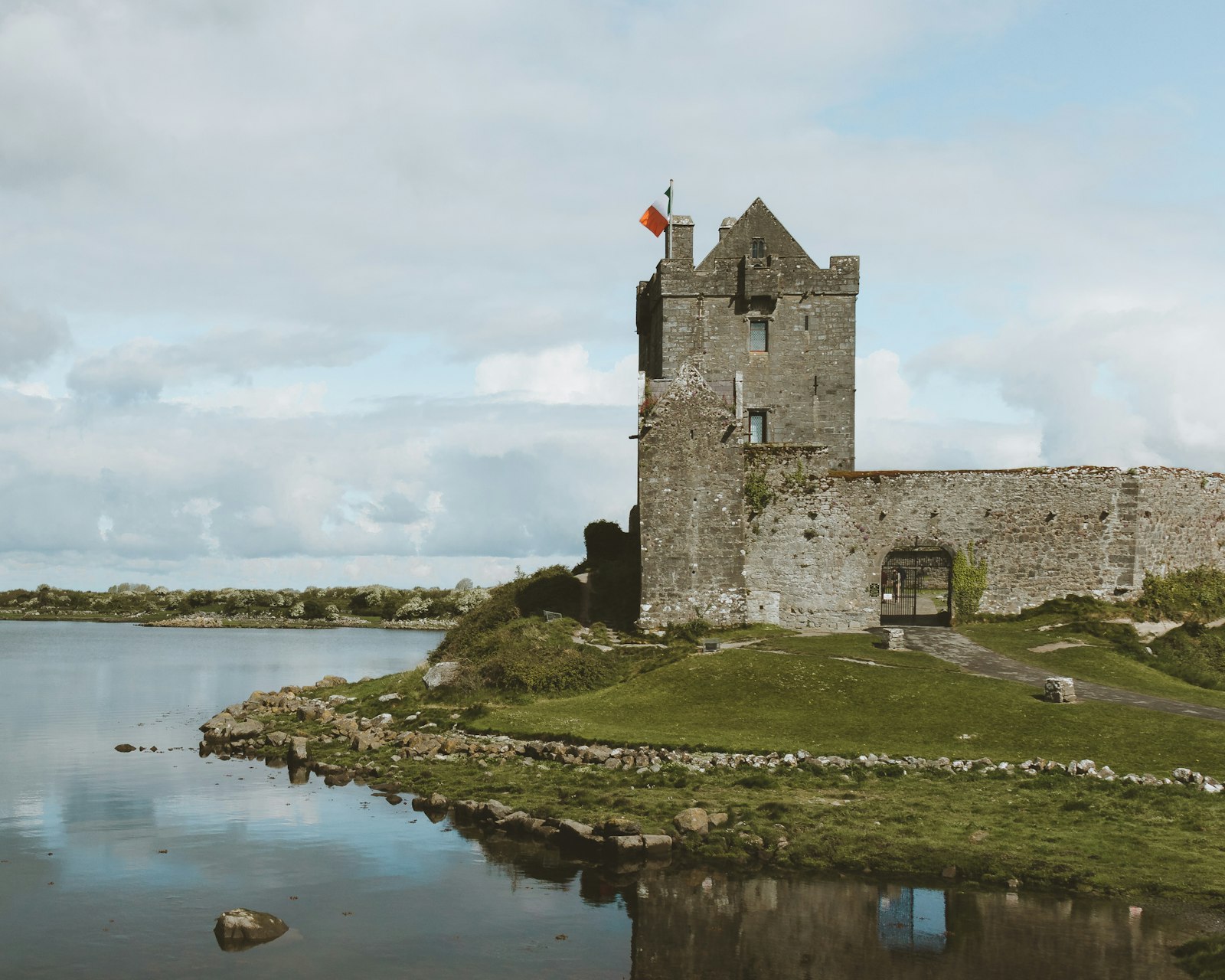
Photo by Thiago Rocha on Unsplash
In a picturesque medieval city in the heart of Ireland’s southeast lies one of the world’s oldest continuously operating breweries. Smithwick’s Brewery in Kilkenny has been producing beer in the same location for nearly four centuries, making it a living monument to Irish brewing heritage and one of the most enduring testimonies to the power of tradition, quality, and local pride.
The story of Smithwick’s is not merely the story of a brewery or even of a beer, though both are important. It is the story of how a single business can become inseparable from its location, how quality and consistency can sustain a brand across centuries of enormous change, and how a local product can achieve regional pride and international recognition. The deep red ale that bears the Smithwick’s name has become as much a symbol of Kilkenny as the medieval castle or the ancient cathedral that dominate the city’s landscape.
The Foundation: John Smithwick and 1710
The story of Smithwick’s begins in 1710, when John Smithwick, a brewer from the Smithwick family, established his brewery on the grounds of the defunct Saint Francis Abbey in Kilkenny. The abbey, which had operated for centuries before being dissolved during the English Reformation, provided the brewery’s initial location and its name: the brewery was subsequently known as St. Francis Abbey Brewery.
The precise dating of Smithwick’s founding is significant—1710 makes Smithwick’s one of the oldest continuously operating breweries in the world. While other breweries in Europe can claim longer histories, few have operated continuously in the same location without significant disruption. Smithwick’s predates most major American breweries by over a century and continues operating when countless breweries established in the nineteenth and twentieth centuries have since closed.
John Smithwick was not the only brewer in Kilkenny in 1710—the city, with its significant medieval population and ongoing commercial importance, would have supported multiple breweries. Yet it was John Smithwick’s brewery that endured, that was passed down through family generations, and that eventually grew to dominate local brewing.
The Nineteenth Century: Growth and Expansion
Throughout the eighteenth century, Smithwick’s operated as a local brewery, producing beer for Kilkenny and surrounding areas. The beer was distributed through local taverns and pubs, becoming a familiar sight in establishments throughout the region. The brewery’s location, at a site with good water access and near Kilkenny’s commercial center, provided advantages for production and distribution.
The nineteenth century brought both tremendous opportunity and significant challenges to Irish brewing. The Industrial Revolution transformed production capabilities. New equipment, improved transportation networks, and growing urban populations created unprecedented demand for beer. Simultaneously, Scottish and English breweries expanded their operations and competed vigorously for market share.
Smithwick’s adapted to the nineteenth-century context by investing in modernization. The brewery expanded its facilities and production capacity. Modern equipment was introduced, improving efficiency and quality consistency. The brewery began distributing beyond Kilkenny to other parts of Ireland, capitalizing on its growing reputation and quality.
By the mid-nineteenth century, Smithwick’s had become one of Ireland’s significant breweries, producing tens of thousands of barrels annually. The brewery was a major employer in Kilkenny, providing livelihoods for brewers, coopers (who made barrels), laborers, and other workers. The brewery’s success contributed to Kilkenny’s prosperity and became central to the city’s economic identity.
The Beer: Character and Consistency
What has sustained Smithwick’s across nearly four centuries is ultimately the beer itself. Smithwick’s Ale is a distinctive product—a ruby ale, deep red in color, with a smooth, slightly sweet character and moderate alcohol content (approximately 3.8% alcohol by volume in contemporary versions).
The color and character of Smithwick’s come from specific ingredients and brewing approaches. The beer is brewed using a combination of malts—primarily pale malt with significant proportions of crystal malts that provide color and slight sweetness. The recipe has been maintained relatively consistently across generations, suggesting that the basic formula that made Smithwick’s successful has proven enduring.
The brewing approach emphasizes balance and approachability. Smithwick’s is not aggressively hoppy or heavily bitter—qualities that appeal to hop enthusiasts but limit broader appeal. Instead, Smithwick’s presents a balanced profile where the sweetness of the malt integrates with moderate bitterness from hops, creating something that appeals to a broad range of drinkers while remaining distinctive and flavorful.
The consistency of Smithwick’s across decades and centuries is remarkable. Modern brewing science and quality control have enabled greater consistency, yet even before modern testing methods existed, drinkers could rely on Smithwick’s maintaining consistent character. This consistency created consumer confidence—a drinker knew what they would receive when they ordered a Smithwick’s.
The Twentieth Century: Consolidation and Change
The twentieth century brought dramatic transformations to global brewing. Large breweries consolidated market share, smaller breweries closed, and industrial brewing methods replaced artisanal approaches in many cases. Smithwick’s faced these pressures yet endured.
During the Irish independence movement and early independence period, Smithwick’s remained stable and continued operations. While national politics were turbulent, the brewery continued brewing for the Irish market. The post-independence Irish government, seeking to build the nation’s economy and generate foreign currency, supported industries including brewing. Smithwick’s, as an established Irish brewer, benefited from governmental preference for Irish products.
Yet Smithwick’s also faced competition from larger breweries, particularly from Guinness, the dominant Irish beer company. Guinness, based in Dublin, had achieved enormous scale and international recognition. Guinness could invest in marketing and distribution that Smithwick’s, a regional brewer, could not match. Smithwick’s position as Kilkenny’s proud local brewery became its primary advantage—local consumers preferred their hometown beer, creating stable regional demand even as Guinness dominated nationally.
The acquisition of Smithwick’s by Guinness in 1965 marked a significant transition for the brewery. The acquisition brought access to Guinness’s distribution network and resources, enabling Smithwick’s to expand its reach beyond Kilkenny and its immediate region. Yet it also raised concerns about the brewery’s independence and whether Guinness ownership would change the beer’s character or production methods.
Maintaining Character Through Change
Despite Guinness ownership, Smithwick’s has maintained its character and production methods. The brewery continues to operate at its historic location in Kilkenny, producing beer using traditional approaches. While modern equipment has been introduced, the basic recipe and brewing philosophy have remained consistent.
The beer itself has remained essentially unchanged. Contemporary Smithwick’s is recognizably the same product that Smithwick’s drinkers of previous generations would recognize and appreciate. This consistency in product identity despite ownership changes is remarkable and speaks to something important about how Irish beer culture values tradition and authenticity.
Smithwick’s ownership by Guinness has provided resources for investment and expansion while Guinness parent company Diageo has respected the need to maintain Smithwick’s distinct identity and regional connection. This balance—honoring tradition while enabling growth—represents a best-case scenario for heritage breweries owned by larger corporations.
Smithwick’s and Kilkenny Identity
Smithwick’s has become inseparable from Kilkenny’s identity. The brewery has been operating in Kilkenny for longer than the modern nation of Ireland has existed. Multiple generations of Kilkenny citizens have worked for the brewery or had family members who did. The brewery’s presence shapes Kilkenny’s sense of itself—as a city with industrial heritage, as a place where quality has been valued across centuries, as somewhere with distinctive products and traditions.
The brewery’s historic location in the medieval city center reinforces this identity. Visitors to Kilkenny cannot avoid the brewery’s prominent presence. The building itself, with its mix of historical and modern structures, tells the story of centuries of continuous operation and periodic modernization. The brewery’s distinctive red color—the same red as Smithwick’s beer—is visible throughout Kilkenny, on trucks, on signage, in pubs.
Smithwick’s serves as a symbol of Kilkenny’s pride and achievement. That a product created in Kilkenny is consumed throughout Ireland and internationally represents validation that Kilkenny produces something of quality and worth. The brewery’s longevity suggests Kilkenny’s own permanence and importance.
The Visitor Experience and Tourism
In recent decades, Smithwick’s has invested significantly in its visitor center and hospitality operations. The Smithwick Experience, located at the brewery, provides visitors with information about the brewery’s history, brewing methods, and the beer’s character. Visitors can tour the brewing facilities, learning about traditional and modern brewing processes.
The visitor center has become one of Kilkenny’s major tourist attractions, drawing tens of thousands of visitors annually. For many visitors, a tour of Smithwick’s and a pint of fresh Smithwick’s served at the brewery is as essential to a Kilkenny visit as seeing the medieval castle or cathedral.
This tourism dimension has reinvigorated the brewery’s economic importance and cultural significance. Tourism provides direct revenue and employment at the brewery. More broadly, the brewery’s association with tourism connects Smithwick’s to Kilkenny’s cultural identity in ways that extend beyond simple beer production.
The Product Today: Evolution and Consistency
Contemporary Smithwick’s ale remains true to the fundamental character of the historic beer while incorporating modern approaches to quality and consistency. The beer is available in multiple formats—cans, bottles, and draught—allowing consumption in various contexts and locations.
Smithwick’s has also introduced variations on the traditional recipe. Smithwick’s IPA represents a more aggressively hopped expression, appealing to consumers interested in more pronounced hop character. Smithwick’s Blonde offers a lighter alternative for those preferring milder beer. Yet the traditional Smithwick’s ale remains the flagship product and the focus of brand identity.
The brewing process at Smithwick’s incorporates modern quality control and scientific approaches while maintaining traditional brewing philosophy. The brewery employs trained brewers and quality control specialists who ensure that every batch meets exacting standards. Simultaneously, elements of traditional brewing—the respect for quality ingredients, the emphasis on balance and drinkability, the understanding of how brewing decisions affect the final product—remain central to Smithwick’s approach.
Smithwick’s in a Changing Landscape
Contemporary Irish brewing faces significant changes. Craft brewing has grown substantially, with numerous small breweries producing innovative beers and exploring experimental styles. Consumer preferences have shifted somewhat, with greater interest in hoppy beers, sour beers, and other specialized styles. Yet the successful established breweries—those with distinctive products, strong identities, and quality histories—have generally thrived despite the craft beer explosion.
Smithwick’s has navigated the craft beer movement by maintaining its core identity while remaining responsive to consumer interests. The brand’s deep heritage, distinctive character, and strong regional association have positioned it well to succeed despite increased competition. The brewery’s investment in visitor experiences and cultural heritage also appeals to contemporary consumers interested in authenticity and tradition.
The climate emergency and sustainability concerns present additional challenges and opportunities for Smithwick’s. As a large brewery operation, water usage and energy consumption are significant. Forward-thinking breweries are implementing sustainable practices, from renewable energy sourcing to water treatment innovations. Smithwick’s, as part of the Diageo group, has access to resources and knowledge to implement such practices.
The Broader Significance
The story of Smithwick’s extends beyond beer or even brewing. It is a story about how tradition and quality can sustain enterprises across centuries of change. It is about how a local product can maintain distinctiveness and regional identity even while operating at industrial scale. It is about how heritage can be honored and maintained while still permitting growth and modernization.
Smithwick’s demonstrates that the oldest continuously operating brewery in Ireland produces a product that people want to consume, that communities value enough to maintain and invest in, and that visitors travel to experience. This is no accident—it results from consistent quality, from respect for tradition, and from understanding what makes the product distinctive and valuable.
Conclusion: A Living Legacy
As Smithwick’s approaches three centuries and a half of continuous operation, the brewery stands as a testament to what is possible when quality is prioritized, when tradition is respected, and when a local product achieves recognition and pride within its community. The brewery that John Smithwick established on the grounds of a medieval abbey in 1710 continues producing a distinctive ale that Kilkenny residents and visitors worldwide recognize and appreciate.
For American consumers and Irish heritage enthusiasts, Smithwick’s offers something increasingly rare: a beer with genuine history, with deep roots in a specific place, produced continuously for nearly four hundred years. To drink Smithwick’s is to taste history, to connect with Kilkenny’s enduring identity, and to experience what authentic, heritage-backed brewing produces.
The ruby-colored ale that pours from taps in Kilkenny pubs, in Irish-American bars, and increasingly in establishments throughout the world represents one of the world’s great brewing achievements—not because it is revolutionary or trendsetting, but because it is excellent and enduring, consistent and distinctive, local and international, traditional and continuously evolving. Smithwick’s is proof that sometimes, the most remarkable achievement is simply to do something well, for centuries, without losing the essence of what makes it special.

Author: jonathan
Jonathan is the publisher of Irishtopia.net, Anglotopia.net, and Londontopia.net. He's passionate about travel and learning about other cultures. He's been to Ireland several times, and uses his travel expertise for Irishtopia!