
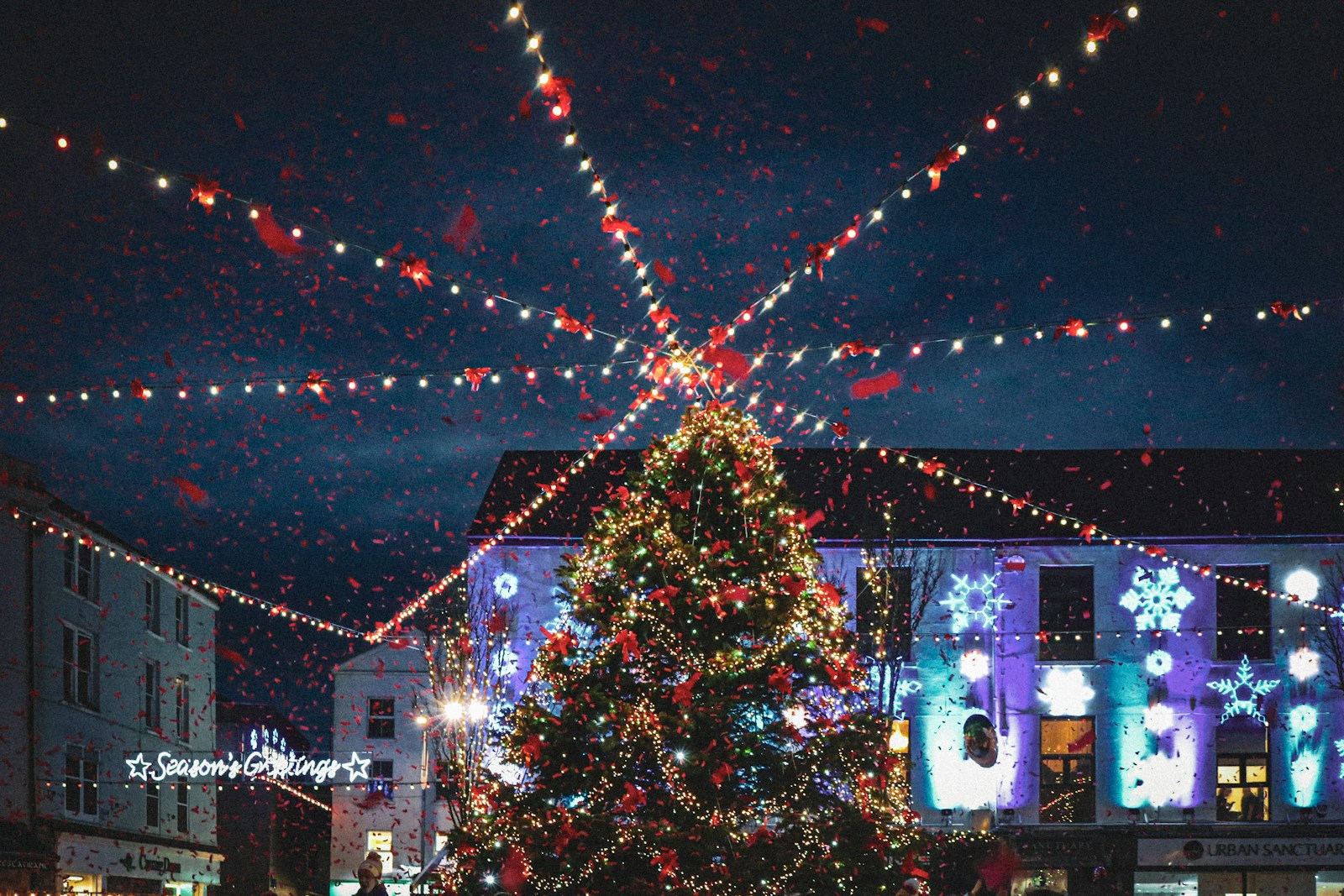
While modern commercialized Christmas often seems to end on December 26th, traditional Irish Christmas celebrations follow a much older pattern: the Twelve Days of Christmas, running from Christmas Day (December 25th) through the Feast of the Epiphany (January 6th). This extended celebration reflects Ireland’s deep Catholic heritage and creates a festive season that balances family gathering, religious observance, socializing, and specific traditions marking each phase of the Christmas period.
Historical and Religious Foundations
The concept of the Twelve Days of Christmas predates modern Irish observance, with roots in early Christian liturgy. The period from Jesus’s birth (celebrated December 25th) to the visit of the Magi (celebrated January 6th) formed a unified season of celebration rather than a single day.
In Catholic Ireland, this twelve-day period held particular importance. Each day carried religious significance, and the entire period was considered sacred time, set apart from ordinary life. Work was minimized (though not entirely ceased, particularly for women managing households), and the focus shifted to family, community, and faith.
The Twelve Days also aligned with older Celtic winter celebration patterns. The winter solstice period already held significance in pre-Christian Ireland, and the Christmas season effectively Christianized these older festivals while maintaining some of their celebratory character.
For agricultural Ireland, the Twelve Days fell during a natural work lull. With shorter days and winter weather, farm work slowed considerably, creating space for extended celebration. This practical timing reinforced the tradition’s persistence in rural Irish communities.
Christmas Day (December 25th): The Heart of Celebration
Christmas Day itself served as the centerpiece of the Twelve Days, with traditions that have been covered in detail elsewhere but warrant mention for their role in the larger period.
The day began for many families with early morning Mass, followed by a return home for the grand Christmas breakfast – perhaps including fresh bread, preserves, and special treats saved for this morning.
The main event was Christmas dinner, traditionally served in the afternoon rather than evening. This elaborate meal featured roast turkey or goose, ham (often spiced beef in Cork), vegetables, potatoes prepared multiple ways, and Christmas pudding for dessert. The meal itself could last hours, with family gathered around the table.
The day continued with visiting – either receiving guests or calling on family and neighbors. This social aspect was crucial to Irish Christmas Day, reinforcing community bonds and spreading Christmas cheer widely.
For children, Christmas Day meant gifts from Santa Claus, though traditionally these were modest compared to modern excess – perhaps an orange, some sweets, a small toy, and new clothes. The joy came from the special nature of receiving anything at all rather than the quantity or value of gifts.
Evening might bring games, music, storytelling, or simply sitting together by the fire, enjoying the warmth of family and the afterglow of the day’s celebrations.
St. Stephen’s Day (December 26th): The Wren Boys
December 26th, St. Stephen’s Day (also called Boxing Day in Ireland due to British influence), brought its own distinctive traditions, most notably the Wren Boys processions discussed in detail elsewhere in this series.
This day represented a shift from the intimate family focus of Christmas Day to broader community celebration. While Christmas Day centered on the nuclear or extended family at home, St. Stephen’s Day sent people out into their communities for public celebration and socializing.
Traditional activities included:
- Wren Boys processions with music and costumes
- Community gatherings and céilís (social dances)
- Continuation of visiting neighbors and friends
- Sporting events, particularly horse racing (still a major St. Stephen’s Day tradition)
- For some families, beginning to consume Christmas leftovers in creative ways
The day maintained a festive atmosphere while being slightly less formal than Christmas Day itself. The morning might be lazy, recovering from Christmas Day’s feast and festivities, with celebration building as the day progressed.
The Days Between: December 27th-31st
The days following St. Stephen’s Day through New Year’s Eve formed a unique period in traditional Irish Christmas celebration – neither ordinary workdays nor major feast days, but rather a time suspended between normal life and celebration.
In rural agricultural Ireland, these days offered rare leisure. With minimal farm work required and social permission to relax, families could enjoy extended time together without the pressure of daily obligations.
Common activities during these “between days” included:
Visiting and Hosting: The visiting that began on Christmas Day continued throughout the period. Families might call on relatives or friends they hadn’t seen on Christmas Day itself, spreading celebration across multiple households. These visits were less formal than Christmas Day calls but maintained the spirit of seasonal sociability.
Games and Entertainment: Traditional Irish games and pastimes flourished during these days. Card games (particularly Twenty-Five and other traditional Irish card games) occupied many hours. Storytelling remained a central form of entertainment, with the best storytellers sharing tales that might run across multiple evenings. Music sessions, both formal and informal, brought musicians together.
Preparation and Consumption of Special Foods: Christmas baking and cooking continued, though at a more relaxed pace than the pre-Christmas rush. Families worked through Christmas leftovers, creating new dishes from ham, turkey, and pudding. Additional baking might supplement what was prepared before Christmas, particularly if hosting visitors.
Religious Observance: While not as intensive as Christmas Day itself, religious practice continued throughout the Twelve Days. Some families attended daily Mass. Home prayers and religious readings remained part of daily routine.
Children’s Activities: With schools closed for the holidays, children enjoyed freedom rare in their ordinary lives. They might visit friends, play outdoor games if weather permitted, or engage in indoor activities. The period between Christmas and New Year’s offered time for children to truly enjoy their Christmas gifts without the pressures of school obligations.
New Year’s Eve (December 31st): Looking Forward
New Year’s Eve fell within the Twelve Days but took on its own character as a threshold between the old year and the new.
Irish New Year’s Eve traditions blended Christmas season observances with specific New Year customs:
First Footing: After midnight, the first person to enter a house (the “first footer”) could bring good or bad luck for the coming year. Traditionally, a dark-haired man was considered the most auspicious first footer. Some families arranged for a suitable person to call immediately after midnight, while others simply hoped the right person would arrive first.
The First Water: In some regions, families observed a tradition of drawing “first water” – the first water drawn from a well or spring after midnight on New Year’s Day. This water was considered especially blessed and might be kept for use in blessings or healing throughout the year.
Cleaning and Clearing: New Year’s Eve sometimes saw a thorough house cleaning, though not as extensive as the Christmas Eve clean. This cleared out the old year’s accumulation and prepared the house for the new year. Some families made a point of settling debts and resolving arguments before the new year began.
Socializing: New Year’s Eve gatherings brought friends and neighbors together, though these were often less family-centered than Christmas celebrations. Young people particularly might gather with friends rather than family for New Year’s Eve festivities.
Reflection and Resolution: The threshold nature of New Year’s Eve encouraged reflection on the passing year and hopes for the year to come, though the formal “New Year’s resolutions” were less emphasized in traditional Irish practice than in modern times.
New Year’s Day (January 1st): Fresh Beginnings
New Year’s Day maintained the festive character of the Christmas season while marking a fresh start.
Traditional observances included:
Religious Practice: Many families attended Mass on New Year’s Day, asking for blessings on the coming year.
Visiting and Well-Wishing: The custom of visiting continued, with neighbors and friends calling on each other to exchange New Year’s wishes. These visits might include sharing food and drink, though generally less elaborate than Christmas entertaining.
Food Traditions: Some families prepared special New Year’s Day meals, though these were typically simpler than Christmas dinner. Leftovers from Christmas continued to feature prominently in New Year’s Day meals.
Avoiding Certain Activities: Traditional Irish New Year’s Day customs included avoiding certain activities thought to bring bad luck: not sweeping (to avoid sweeping away good fortune), not letting anything leave the house before something comes in, not doing laundry (to avoid “washing away” a family member).
Looking Ahead: While still within the Christmas season, New Year’s Day began the transition toward thinking about the coming year – returning to work, resuming normal routines, planning for the year ahead.
Days Two Through Five (January 2nd-5th): Winding Down
The days following New Year’s stretched from the fresh energy of the new year back toward the final Christmas observance on January 6th.
These days marked a gradual transition back toward normal life:
Return to Work: Many people returned to work during this period, particularly in modern times when extended holiday breaks were less common. However, the festive atmosphere lingered, with workplaces maintaining some Christmas decoration and spirit.
Final Visiting: Families who hadn’t yet managed to see all their relatives and friends during the Christmas period might make final visits during these days.
Children’s Holiday Ending: For children, these days often marked the approaching end of Christmas holidays and return to school. Families might make the most of remaining time together with special outings or activities.
Preparation for Little Christmas: As January 6th approached, some families began specific preparations for Women’s Christmas / Little Christmas celebrations.
Taking Down Decorations: Traditional practice dictated leaving Christmas decorations up until January 6th, but modern practice varies. Some families begin removing decorations during this period, while others maintain them through Epiphany.
Little Christmas / Women’s Christmas (January 6th): The Finale
January 6th, the Feast of the Epiphany, marked the official end of the Christmas season with celebrations that were both religious and social.
This day’s significance operated on multiple levels:
Religious Observance: As the Feast of the Epiphany, January 6th commemorated the visit of the Three Wise Men to the infant Jesus. Some families attended Mass, and religious homes might have special prayers or readings marking the end of the Christmas season.
Women’s Christmas: As discussed in detail elsewhere in this series, January 6th was traditionally Women’s Christmas (Nollaig na mBan) – a day when Irish women took a break from domestic duties while men took over household responsibilities. Women gathered with female friends and relatives for celebration and socializing.
Taking Down Decorations: January 6th was the traditional day for taking down Christmas decorations. The Christmas tree, lights, evergreen boughs, and other festive elements were carefully packed away until the next year. The nativity scene received special attention, with figures wrapped and stored with care.
Final Feast: Some families prepared a special meal for Little Christmas, marking the end of the season with one last festive dinner. This might feature remaining Christmas foods or special dishes associated with Epiphany celebrations.
Symbolic Closing: Beyond specific activities, January 6th served as a symbolic closing of the Christmas season. The special sacred time ended, and ordinary time resumed. Life returned to its normal patterns after the extended celebration.
Regional Variations
The Twelve Days of Christmas were observed with considerable variation across different parts of Ireland, reflecting local customs, economic circumstances, and community practices.
Urban versus rural observance showed marked differences. Rural areas, with their agricultural rhythms and closer-knit communities, often maintained more traditional twelve-day celebrations. Urban areas, with more continuous work schedules and different social patterns, might compress celebrations or observe them differently.
Economic factors influenced how extensively families could maintain celebration across all twelve days. Wealthier households could afford the food, drink, and leisure time for fuller observance. Working-class families might celebrate intensively on Christmas Day and a few key days while maintaining more modest observance otherwise.
Different regions emphasized different aspects of the celebration. Coastal areas might have specific seafaring traditions integrated into the Twelve Days. Areas with strong musical traditions emphasized music sessions throughout the period. Some counties had specific foods or customs unique to their localities.
The Modern Twelve Days
Contemporary Irish observance of the Twelve Days of Christmas has evolved significantly while maintaining connections to traditional practice.
Compressed Celebration: Modern work schedules often allow only December 25th-26th or perhaps through January 1st as holidays, making it difficult to maintain a full twelve-day celebration. Many families focus intensive celebration on these key days while acknowledging the full season more symbolically.
Selective Tradition Maintenance: Rather than observing all traditional aspects of the Twelve Days, many modern families select specific traditions to maintain. They might keep decorations up through January 6th, celebrate Women’s Christmas, or maintain other particular customs while letting others lapse.
Commercial Influence: The commercial Christmas season often ends abruptly after December 25th, with retailers moving to post-Christmas sales and Valentine’s Day promotions. This commercial pattern conflicts with traditional twelve-day observance and influences how people experience the season.
Diaspora Adaptations: Irish emigrants and their descendants often maintain Twelve Days traditions as connections to Irish heritage, though adapted to their new countries’ customs and schedules. These diaspora practices sometimes preserve traditions that have evolved or faded in Ireland itself.
Revival Interest: Recent years have seen growing interest in reviving fuller observance of the Twelve Days, driven by desires to resist commercial Christmas compression, maintain cultural traditions, and create more meaningful holiday experiences. Cultural organizations, churches, and families are exploring ways to observe the season more traditionally.
Cultural and Social Significance
The Twelve Days of Christmas hold meaning beyond their specific traditions and observances, reflecting important aspects of Irish culture and values.
Community and Connection: The extended celebration period prioritized relationships – family bonds, friendships, community connections. The Twelve Days created structured time for nurturing these relationships through visiting, gathering, and shared celebration.
Sacred Time: The designation of twelve days as special, set apart from ordinary time, reflected a worldview that recognized different temporal qualities. Christmas time was qualitatively different from regular time, with different expectations, behaviors, and possibilities.
Cultural Continuity: Maintaining traditions across twelve days provided repeated opportunities to teach younger generations about Irish customs, values, and identity. Children experienced these traditions not once but repeatedly across the season, deepening their understanding and connection.
Balance of Elements: The Twelve Days balanced religious devotion, family intimacy, community socializing, festive celebration, and ordinary life resumption. This balance reflected a holistic approach to life that integrated rather than separated these different aspects of human experience.
Conclusion
The Twelve Days of Christmas in Ireland represent a rich tradition that extends celebration, meaning, and festivity across a broader period than modern compressed holiday schedules typically allow. From Christmas Day through Little Christmas on January 6th, these twelve days created a season that balanced religious observance, family gathering, community celebration, and the transition between old year and new.
While contemporary life makes full traditional observance challenging, the framework of the Twelve Days continues to offer value. It provides a counter-narrative to commercial Christmas that ends on December 26th, suggests a more humane and connected way of celebrating, and maintains links to Irish cultural heritage and Catholic tradition.
For those seeking to understand Irish Christmas traditions, appreciating the full Twelve Days context is essential. Irish Christmas isn’t a single day but an extended season with distinct phases, specific traditions, and evolving meanings from December 25th through January 6th. Whether observed in full traditional form or adapted to modern circumstances, the Twelve Days of Christmas offer a template for celebration that honors the past while remaining meaningful in the present.

Author: jonathan
Jonathan is the publisher of Irishtopia.net, Anglotopia.net, and Londontopia.net. He's passionate about travel and learning about other cultures. He's been to Ireland several times, and uses his travel expertise for Irishtopia!