
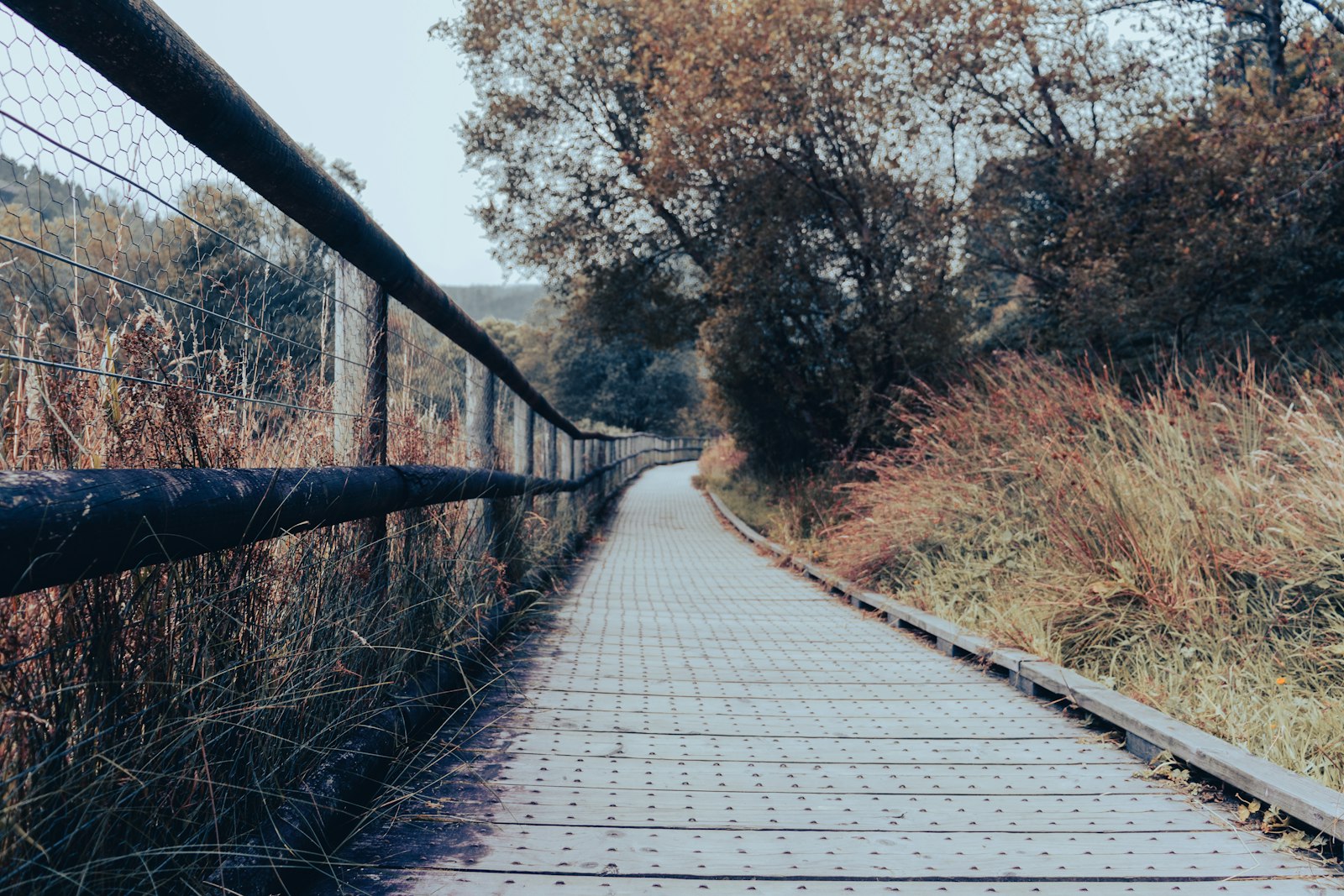
Photo by Michal Pokorný on Unsplash
Introduction
The Wicklow Way stretches 131 kilometers through the rugged terrain of County Wicklow, from the suburbs of Dublin southward through mountain valleys, alongside rivers, across bogland, and through ancient forests. Established in 1981, it was Ireland’s first official long-distance walking trail and remains the most popular.
Every year, thousands of walkers traverse portions or the entirety of the Wicklow Way. The trail attracts serious hikers seeking a multi-day expedition, casual walkers enjoying a pleasant afternoon stroll through beautiful landscape, and everyone in between. The trail’s popularity is justified—it delivers on its promises of dramatic scenery, physical challenge, and authentic wilderness experience within close proximity to Ireland’s capital city.
For American visitors, the Wicklow Way represents an opportunity to experience serious hill walking in Ireland without requiring travel to remote western regions or technical mountaineering skills. The trail is challenging but achievable for anyone with moderate fitness and hill walking experience. The rewards—mountain views, river valleys, ancient forests, and a sense of accomplishment—make the effort worthwhile.
Geographic Overview: From Dublin to Carlow
The Wicklow Way begins at Marlay Park in the Dublin suburb of Rathfarnham and ends at Clonegal in County Carlow, approximately 131 kilometers south. The trail doesn’t follow a single ridge or obvious geographical feature but rather winds through the landscape, connecting villages, river valleys, mountain passes, and forest trails.
The northern sections of the trail, closest to Dublin, are most heavily used and most accessible. Southern sections see fewer walkers, offer more solitude, and for many serious hikers, are the most rewarding portions.
The trail passes through varied terrain. Northern sections cross moorland and open hillside. Middle sections traverse river valleys and ancient oak forests. Southern sections cross higher mountain terrain and wider open bogland. This variation prevents the walk from becoming repetitive and showcases Wicklow’s landscape diversity.
The Wicklow Mountains, though modest in elevation (the highest peak, Lugnaquilla, reaches only 925 meters), dominate the terrain. The mountains are steep and dramatic, with river valleys creating scenic gorges. The landscape feels remote despite proximity to Dublin—15 kilometers can feel like 150 when moving through steep, roadless terrain.
Geology and Landscape Formation
The Wicklow Mountains consist primarily of granite, similar to mountains in Scotland and Wales. This granite forms the resistant core that rises above surrounding landscape. During the ice age, glaciers carved valleys between peaks, creating the distinctive U-shaped valleys that define the landscape.
The granite creates distinctive landscape features. Rocky outcrops and boulder fields mark ridges and summits. River valleys cut through the granite, creating gorges and waterfalls. Forest floors are often rocky—walking on exposed granite roots and stone creates distinctive sensory experience of moving through ancient landscape.
The mountainous terrain meant that roads couldn’t easily penetrate the interior. This inaccessibility created numerous forest clearings and small communities at valley bottoms where rivers provided water and transportation. Over centuries, these small settlements developed distinctive cultural and economic patterns.
The current landscape reflects centuries of human land use. Forests were partially cleared for agriculture and fuel. Bogland was cut for peat, sometimes creating distinctive landscape patterns. Grazing animals shaped vegetation. Humans and landscape have co-evolved, creating the scenery walkers encounter today.
The Trail in Detail: Walking Stages
Most serious hikers complete the Wicklow Way over 4-7 days, depending on fitness level, pace, and how many side excursions and rest days are included. The trail can be walked in either direction, though the standard route proceeds from Dublin southward to Carlow.
Stage 1: Marlay Park to Stepaside (approximately 8 km)
The trail begins at Marlay Park in Dublin’s southern suburbs, immediately immersing walkers in woodland and stream valleys. This first stage is relatively easy, gaining familiarity with the landscape and establishing the trail’s character. The stage passes through increasingly rural landscape as it moves south from Dublin.
Stage 2: Stepaside to Roundwood (approximately 17 km)
This stage crosses open moorland and climbs to reach Roundwood, one of the trail’s major resupply points. The terrain becomes noticeably wilder. Views expand across the mountains. This is a substantial day’s walk that separates serious walkers from casual day-trippers.
Stage 3: Roundwood to Glendalough (approximately 17 km)
The section to Glendalough is among the trail’s most popular. Glendalough, with its ancient monastic settlement in a scenic valley, provides a significant landmark and resupply point. The scenery is exceptional—the valley is dramatic, the monastic ruins are evocative, and the setting feels timeless.
This stage can be crowded, particularly on weekends, as day-walkers often complete it as a standalone excursion. The stage involves significant elevation gain, including the steep Miners’ Path climb. This is where the trail’s genuine physical demands become apparent.
Stage 4: Glendalough to Augrim (approximately 20 km)
The section south of Glendalough sees fewer day-walkers, creating more solitude. The trail crosses higher terrain, with wider views and increasing sense of wildness. This is a long, challenging stage that tests fitness and determination.
Stage 5: Augrim to Tinahely (approximately 17 km)
As the trail progresses south, crowds diminish and landscape becomes increasingly isolated. The southern sections feel genuinely wild—extensive bogland, rocky terrain, and minimal human activity. This stage offers the rewards that justify multi-day commitment.
Stage 6: Tinahely to Clonegal (approximately 15 km)
The final stage reaches Clonegal and the end of the official trail. The landscape transitions back toward more cultivated terrain as the walker approaches Carlow and the end of the Wicklow mountains. Completing the full trail provides genuine sense of accomplishment.
Glendalough: Ireland’s Monastic Gem
Glendalough, meaning “valley of two lakes,” is Wicklow’s most significant tourist destination and the Wicklow Way’s most important intermediate stop. The site contains the ruins of a monastic settlement established in the 6th century by Saint Kevin.
The monastery developed at a remote location in a dramatic valley, surrounded by mountains and lakes. This isolation appealed to monks seeking spiritual retreat and separation from worldly distractions. Over centuries, Glendalough became one of Ireland’s most important monastic centers, rivaling Clonmacnoise and other major sites.
The monastic site includes a round tower (approximately 34 meters tall), various churches, stone crosses, and monastic buildings. The round tower, built primarily for defensive purposes and bell-hanging, is the most iconic structure. Walking through the monastic enclosure, you encounter physical evidence of communities that lived here centuries ago.
Two small lakes occupy the valley. The Upper Lake and Lower Lake are separated by a narrow valley. Trails circle both lakes, offering scenic walks independent of the Wicklow Way itself. Many visitors come to Glendalough specifically for the monastic site and lake scenery without walking the full trail.
A visitor center provides interpretation of the site’s history and significance. The explanation enhances understanding of the landscape and the communities that occupied it.
Flora, Fauna, and Ecological Significance
Forests and Vegetation
The Wicklow Way passes through ancient oak forests, particularly in river valleys. These forests are remnants of native Irish woodlands that once covered much of the island before human clearing. Walking through these forests feels authentically wild—dense undergrowth, large trees, streams, and minimal human alteration.
The forests support diverse plant and animal communities. Mosses, lichens, and ferns thrive in the moist, shaded environment. Wildflowers bloom seasonally. Trees provide structure that supports numerous ecological relationships.
The contrast between forested valleys and open moorland creates landscape diversity. Moorland dominates higher elevations, with heather, bilberry, and grasses adapted to exposed, wind-swept conditions.
Wildlife
The Wicklow Mountains support red squirrels, badgers, foxes, and other small mammals. Birdlife includes woodland species in forests and upland species on open moorland. Hen harriers, buzzards, and golden eagles are occasionally observed in the mountains, though they’re not commonly seen.
Rivers and streams support fish species—brown trout and salmon use the rivers for spawning. Otters inhabit some riverine sections.
The ecological significance of the Wicklow Way’s landscape contributes to its protection as a nature conservation area. Walking the trail places you in genuinely important wildlife habitat.
Practical Walking Information
Best Times to Walk
The Wicklow Way is walkable year-round, but conditions and experience vary substantially by season.
May to September is the prime walking season. Weather is most stable, daylight is longest, and accommodation is most readily available. Late May and early June offer excellent conditions—vegetation is full but not yet overgrown, weather is generally pleasant, and crowds are moderate.
April and October offer good conditions with fewer crowds than peak summer. Weather is less predictable, but many walkers prefer these shoulder seasons.
Winter (November-March) is possible for experienced walkers with appropriate gear, but weather is harsh, daylight is limited, and some paths can be dangerously muddy or icy. Winter walking on the Wicklow Way requires mountain winter experience.
Fitness Requirements
The Wicklow Way requires moderate to good fitness. Daily stages involve 15-20 kilometers of walking with significant elevation gain. Walkers need to be comfortable moving over rough terrain, handling elevation changes, and sustaining effort over multiple days.
Someone who can comfortably walk 10 kilometers on flat ground and climb modest hills can successfully complete the Wicklow Way. The trail is not a technical mountaineering challenge—no rock climbing or scrambling is required. However, the physical demands should not be underestimated.
Essential Gear
- Sturdy, waterproof hiking boots with good ankle support
- Waterproof jacket and trousers
- Warm layers (fleece or wool)
- Hat and gloves (essential even in summer)
- Rucksack (40-60 liter capacity for multi-day walk)
- Sleeping bag (if camping or staying in hostels)
- Tent (if wild camping)
- Map and compass
- GPS device (backup to map and compass)
- Water bottles or hydration system (3+ liter capacity)
- High-energy snacks
- First aid kit
- Sun protection
- Insect repellent
Navigation
The Wicklow Way is generally well-marked, particularly the northern and central sections. However, markers can be obscured or missing, and weather can reduce visibility. Carrying map and compass is essential—smartphone GPS is useful backup but shouldn’t be your only navigation tool.
Detailed guidebooks describe the route in section-by-section detail, providing essential navigation information and practical details about accommodation and resupply.
Accommodation Options
Walkers have multiple accommodation options, creating flexibility for different preferences and budgets.
Hostels and Guesthouses are located in villages near the trail. Glendalough, Roundwood, Tinahely, and other trail towns offer bunk bed accommodation in hostels (€20-40 per night) or private rooms in guesthouses (€50-100 per night). Staying in these establishments provides the comfort of beds and hot meals.
B&B Accommodation offers private rooms, often with home-cooked breakfasts. Slightly more expensive (€60-100 per night) but provides more comfort.
Camping is possible at designated campgrounds near the trail, though the number of formal camping sites is limited. Wild camping is technically illegal in Ireland but is often tolerated if done responsibly and respectfully.
Hotel Accommodation at the start and end of the trail provides basic comfort.
Logistical Planning
Logistical planning significantly affects the trail experience. Several options exist:
Self-Supported Walking: Carry all necessary gear, plan your own accommodation. This requires maximum independence but also maximum planning and effort.
Luggage Transfer Service: Services collect your backpack each morning and deliver it to your next accommodation. You walk with a day pack carrying only water and lunch. This eliminates the burden of carrying 15+ kilograms for hours daily.
Guided Tours: Companies organize guided walks with accommodation arranged. This option suits those wanting a complete organized experience.
Point-to-Point Walking: Completing only portions of the trail by arranging transportation between starting and ending points.
Budgeting
A self-supported walk with basic accommodation costs approximately:
A more comfortable walk with B&B accommodation costs approximately:
Total costs for a 5-7 day walk range from €300-500 (basic) to €600-1000 (comfortable).
Alternative Walking Routes and Nearby Trails
The Wicklow Way is the most famous but not the only walking option in the area.
Wicklow Round: A circuit walk incorporating the Wicklow Way and alternative routes, creating a complete loop without returning to the start.
River Valleys Circuit: Walking primarily through scenic river valleys rather than mountain summits.
Glendalough Circuit: A shorter walk (5 km) circling the lakes and visiting the monastic site, accessible for those without full trail commitment.
Glenmacnass Waterfall Walk: A shorter excursion to one of Wicklow’s most impressive waterfalls.
These alternatives provide options for walkers unable to commit to the full 131 kilometers or seeking variations on the standard route.
Integration into Broader Itineraries
Multi-Day Walking Holiday
Dedicate 6-7 days primarily to the Wicklow Way, possibly incorporating side excursions or nearby walks.
Dublin-Based Exploration
Complete portions of the Wicklow Way as day walks from Dublin accommodations, allowing full walking experience while maintaining base in the capital.
Southeastern Ireland Tour
Incorporate the Wicklow Way into a broader exploration of southeastern Ireland, combining it with visits to Waterford, Kilkenny, Carlow, and other southern destinations.
Walking Tour Combining Multiple Trails
The Wicklow Way is one of Ireland’s great walks, but not the only one. Combining sections of multiple trails (Wicklow Way, Dingle Way, Kerry Way) creates a comprehensive walking experience.
Environmental Considerations and Responsible Walking
The Wicklow Way is a popular trail experiencing increasing use. Responsible walking practices help preserve the trail and landscape for future walkers.
Challenges and Considerations
The Wicklow Way is not without challenges. Realistic expectations help ensure a positive experience.
Weather: Irish weather is unpredictable. Rain and wind are common. Walkers must be prepared for wet conditions regardless of forecasts.
Mud and Wet Ground: Trails can be extremely muddy, particularly after rain or in winter. Appropriate boots are essential.
Crowds: Popular sections, particularly near Glendalough, can be crowded on weekends and during peak season. Midweek visits and shoulder-season timing help avoid worst crowds.
Navigation Challenges: While generally well-marked, sections can be confusing, particularly in poor visibility. Map and compass skills are essential.
Physical Demands: The walk is challenging. Underestimating distance and elevation gain can result in painful final days.
Conclusion: Why the Wicklow Way Matters
The Wicklow Way represents more than a scenic walking route. It’s a journey through Irish landscape, history, and geology. The trail connects Dublin’s suburbs to the Carlow countryside through mountain wilderness that feels genuinely remote despite proximity to Ireland’s capital.
Walking the Wicklow Way challenges you physically, immerses you in landscape, provides practical understanding of Irish geography and settlement patterns, and creates the kind of achievement that stays with you. Whether you complete the full 131 kilometers or walk portions, the experience connects you directly with Ireland’s wild character.
For American visitors with hiking experience, the Wicklow Way offers the most direct access to serious hill walking in Ireland without requiring extensive travel to remote regions. The trail is challenging but achievable, rewarding but not punishing, and situated in landscape of genuine significance.
Plan your walk carefully, respect the landscape and communities you pass through, embrace the inevitable rain and mud, and allow yourself to be transformed by moving through wild landscape under your own power. The Wicklow Way delivers on that promise in ways that few other Irish experiences can match.

Author: jonathan
Jonathan is the publisher of Irishtopia.net, Anglotopia.net, and Londontopia.net. He's passionate about travel and learning about other cultures. He's been to Ireland several times, and uses his travel expertise for Irishtopia!