
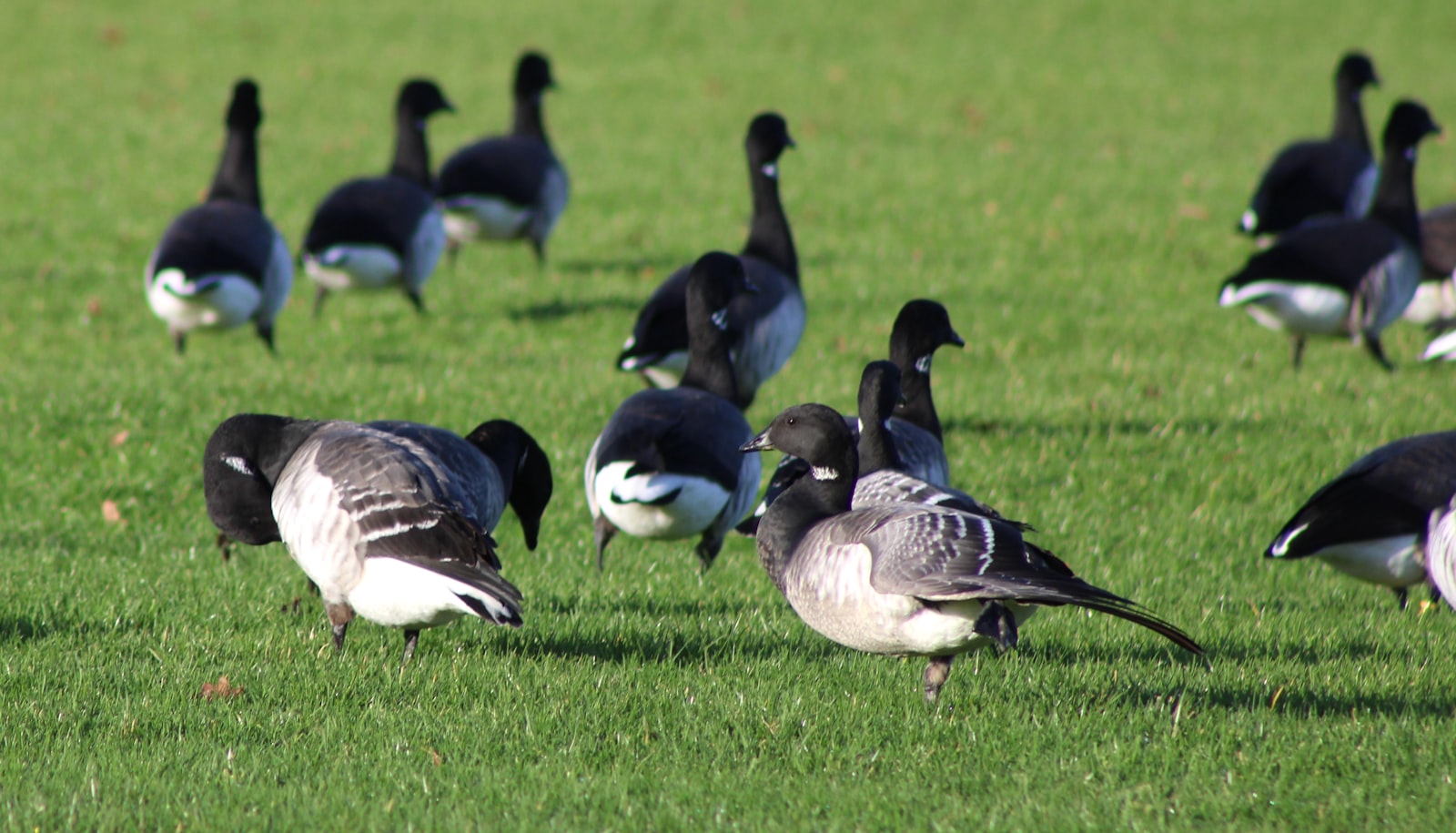
Photo by Lisa Dunne on Unsplash
The term “Wild Geese” refers to Irish soldiers and adventurers who left Ireland to serve as mercenaries, military leaders, and soldiers of fortune across Europe, particularly from the 16th through the 18th centuries. These men—sometimes fleeing persecution, sometimes seeking advancement, often both—established themselves as military professionals in Spain, France, Austria, and other European powers, where they gained reputations as fierce, skilled warriors. The Wild Geese represent a fascinating chapter in Irish history that reveals how Irish identity, military skill, and political circumstance intersected to create a diaspora of military professionals who maintained connections to Ireland while pursuing careers far from home.
Origins of the Wild Geese Tradition
The exodus of Irish soldiers into continental service was not a sudden development but a gradual process beginning in the 16th century. As English power in Ireland increased and Irish resistance to English conquest continued, some Irish warriors found it advantageous or necessary to seek service abroad. The process accelerated following significant military defeats of Irish forces, particularly the Flight of the Earls in 1607, when major Irish Catholic noble families fled Ireland to seek refuge and support from Catholic powers in continental Europe.
The departure of these Irish families and their retainers represented a rejection of English rule and a search for powerful Catholic monarchs who might support an attempt to reconquer Ireland or who might at least provide employment and resources for Irish exiles. Spain, France, Austria, and other continental powers had significant military needs and were willing to employ skilled foreign soldiers, particularly those with demonstrated loyalty and military ability.
The term “Wild Geese” appears to have originated as poetic metaphor—comparing the departure of Irish soldiers to the flight of geese migrating across the landscape. The image captured something about the mass emigration of Irish military men seeking service abroad. Over time, the term came to refer collectively to Irish soldiers serving in continental armies, even though the actual Wild Geese formed no unified organization or force.
The Penal Laws and Forced Exile
The circumstances that drove Irish soldiers into continental service were partly shaped by the Penal Laws, the legal restrictions imposed on Irish Catholics following the English conquest and the Reformation. These laws prevented Catholics from owning land freely, from engaging in certain professions, from holding political office, and from receiving education in Ireland. They made it difficult for Irish Catholic nobles to maintain their status and power in Ireland.
For Irish Catholic men educated in military arts or ambitious for military advancement, the prospects in Ireland were bleak. The English authorities were wary of arming Irish Catholics and would not commission them as officers in the English military. The legal restrictions made it difficult for Irish Catholics to acquire the wealth necessary to maintain aristocratic standing or to pursue careers in the learned professions.
For many Irish soldiers, seeking service abroad represented one of the few ways to maintain honor, gain military rank, and preserve some semblance of the aristocratic status that their families had once held. Ironically, Irish soldiers who would have been denied advancement in Ireland found that in foreign service they could rise to positions of authority and influence.
Major Centers of Irish Military Service
Spain became one of the first and most important destinations for Irish soldiers. Spanish monarchs, particularly Philip II and his successors, maintained large military forces fighting in the Netherlands against Protestant rebels and Protestant powers, fighting against Ottoman expansion, and maintaining empire in the Americas. Irish soldiers served with distinction in Spanish armies, and some achieved significant rank.
One of the most notable Irish military figures in Spanish service was the Earl of Tyrone, Hugh O’Neill, who fled Ireland after his defeat by the English and sought refuge in Spanish territories. While he never achieved the high command he had hoped for, his presence symbolized Ireland’s connection to Catholic Spain and his reputation for military prowess enhanced Spanish perception of Irish soldiers.
France also became an important center of Irish military service. French monarchs employed Irish soldiers in their wars with Spain, their conflicts with German powers, and their internal religious conflicts between Catholics and Huguenots. Irish soldiers fought on both sides of the Wars of Religion in France, demonstrating that their service was primarily mercenary in nature, based on employment opportunity rather than ideological commitment.
Austria-Hungary and the Holy Roman Empire also employed Irish soldiers, particularly in the wars against the Ottomans and in the conflicts of the 17th and 18th centuries. The Austro-Hungarian Empire became a particularly important employer of Irish soldiers, and a distinctive Irish community developed in Vienna and other Central European cities.
Notable Wild Geese Commanders
Several Irish military commanders achieved significant fame and high rank in continental service. Patrick Sarsfield, an Irish general who fought against English forces in the War of Irish Independence (1688-1691), eventually fled Ireland and served in France. Sarsfield became a hero in Irish memory for his cavalry victories and his last stand at the siege of Limerick. Following his flight to France, he served in the War of Spanish Succession and was killed in battle at Landen in 1693. His reputation in Ireland became semi-legendary, and he remains celebrated in Irish memory as a symbol of Irish military valor.
Count Alexander O’Kelly (or Kelley) rose to the rank of general in the Austrian service and commanded significant military forces. Irish generals like the O’Donoghue of the Glens achieved prominence in Austrian service during the 18th century. These men, while exiles from Ireland, maintained Irish names and identities and took pride in their Irish heritage.
The Irish Brigade in French service became particularly famous. Recruited from Irish exiles and their descendants, the Brigade served as a distinct Irish unit within the French army. The Irish Brigade fought in major battles of the 18th century, particularly in the War of Spanish Succession and subsequent European conflicts. The Brigade maintained distinctive identity, with green uniforms and Irish symbols, even while serving France.
The Experience of Irish Soldiers Abroad
The life of an Irish soldier in continental service was marked by a combination of opportunity and displacement. For men with military skills and ambition, service abroad offered the possibility of advancement unavailable in Ireland. Successful soldiers could rise to the rank of officer, gain wealth through military pay and plunder, and establish themselves as men of consequence in European courts.
However, service abroad also meant permanent separation from Ireland. While some soldiers cherished hopes of returning to Ireland if political circumstances changed, most Wild Geese never returned home. They established families in foreign lands, married continental women, and created new lives in Europe. Their children grew up in continental culture, though often maintaining knowledge of Irish heritage.
The Irish soldiers maintained strong ethnic identity and sense of Irish community even in diaspora. Irish communities developed in Spanish cities like Cadiz and ports in the Spanish Netherlands, in French cities like Nantes and Saint-Malo, and in Central European cities like Vienna. These communities served as networks for recruiting soldiers, sharing information, and maintaining Irish cultural traditions.
Contributions to Continental Warfare
Irish soldiers gained reputations as fierce, effective warriors. They were valued for their military skills, their courage in battle, and their discipline. Irish regiments became particularly valued for infantry combat, and Irish soldiers served in cavalry units as well. The discipline and training of Irish soldiers apparently impressed continental observers, and Irish units were sometimes assigned to particularly dangerous or important missions.
In some cases, Irish soldiers served as officers and commanders of non-Irish troops, demonstrating that they were trusted not just as individual soldiers but as military leaders. This suggests that Irish soldiers were not simply exotic foreigners useful for their supposed wild valor, but were recognized as competent military professionals capable of commanding significant forces.
The Decline of the Wild Geese Tradition
The Wild Geese tradition gradually declined as the 18th century progressed and Irish emigration took new forms. The French Revolution (1789) disrupted the traditional European system of monarchies and their military structures, diminishing opportunities for foreign soldiers in the classical age of mercenary service. The Napoleonic Wars created new opportunities for Irish soldiers but also represented a different era of military service.
Additionally, as Ireland gradually achieved Catholic emancipation in the late 18th and 19th centuries, removing many of the legal barriers that had driven Irish exiles from their homeland, the pressure driving young Irishmen to seek military service abroad diminished. The removal of restrictions on Catholic land ownership and participation in professions meant that ambitious Irishmen could pursue advancement at home.
The rise of modern national armies and the decline of the mercenary system meant that the kind of military service that the Wild Geese had pursued—hiring oneself out to foreign monarchs—became less feasible. Soldiers increasingly served their own nations, and the romantic image of the military adventurer seeking fortune in foreign service became an anachronism.
Memory and Legacy
The Wild Geese occupy a complex place in Irish historical memory. On one hand, they represent Irish exiles fleeing persecution and seeking to maintain honor and dignity through military service. They demonstrated Irish military skill and valor and showed that Irishmen could achieve positions of authority and influence in European politics and warfare. In this sense, they represent a kind of triumph—the ability of exiled Irish to maintain status and power despite being driven from their homeland.
On the other hand, the Wild Geese represent loss and displacement—the exodus of talented Irishmen from their homeland, driven away by religious persecution and political oppression. They represent centuries during which talented Irish people found greater opportunity and freedom abroad than at home, a loss that weakened Ireland’s own capacity for development and independence.
For Irish Americans, the Wild Geese represent an important chapter in Irish history that connects to the broader American experience of Irish immigration. The Wild Geese were among the first Irish to emigrate in significant numbers, seeking opportunity and advancement abroad. Later waves of Irish emigration to America were propelled by similar forces—limited opportunity at home, religious discrimination, and the search for advancement.
The story of the Wild Geese also illustrates the ways that Irish identity persisted and was maintained even in diaspora. These men, thousands of miles from home, maintained Irish names, Irish community identity, and pride in Irish heritage. The consciousness of being Irish, even while serving foreign powers, remained central to their identity. This too resonates with the experience of Irish Americans who maintained Irish identity while becoming Americans.
Historical Significance
The Wild Geese represent a significant chapter in the history of military professionalism and the mercenary tradition. They show how European powers valued and employed foreign soldiers and how military skill could transcend national boundaries. They demonstrate the sophisticated military organization and training that characterized early modern European warfare.
For Irish history specifically, the Wild Geese represent the costs of political subjugation and religious persecution. They also represent Irish resilience and the maintenance of Irish identity and community in diaspora. The fact that Irish soldiers could command respect and advancement in continental service testifies to Irish military capability and the value of Irish soldiers to European powers.
Understanding the Wild Geese enriches our appreciation of Irish history in the 16th-18th centuries, a period often dominated by accounts of English conquest and the struggle for Irish independence. The Wild Geese story reminds us that while conquest and subjugation were indeed the dominant themes of this period, Irish resistance and adaptation took multiple forms, including the creation of military communities abroad that maintained Irish identity while operating within European power structures.

Author: jonathan
Jonathan is the publisher of Irishtopia.net, Anglotopia.net, and Londontopia.net. He's passionate about travel and learning about other cultures. He's been to Ireland several times, and uses his travel expertise for Irishtopia!