
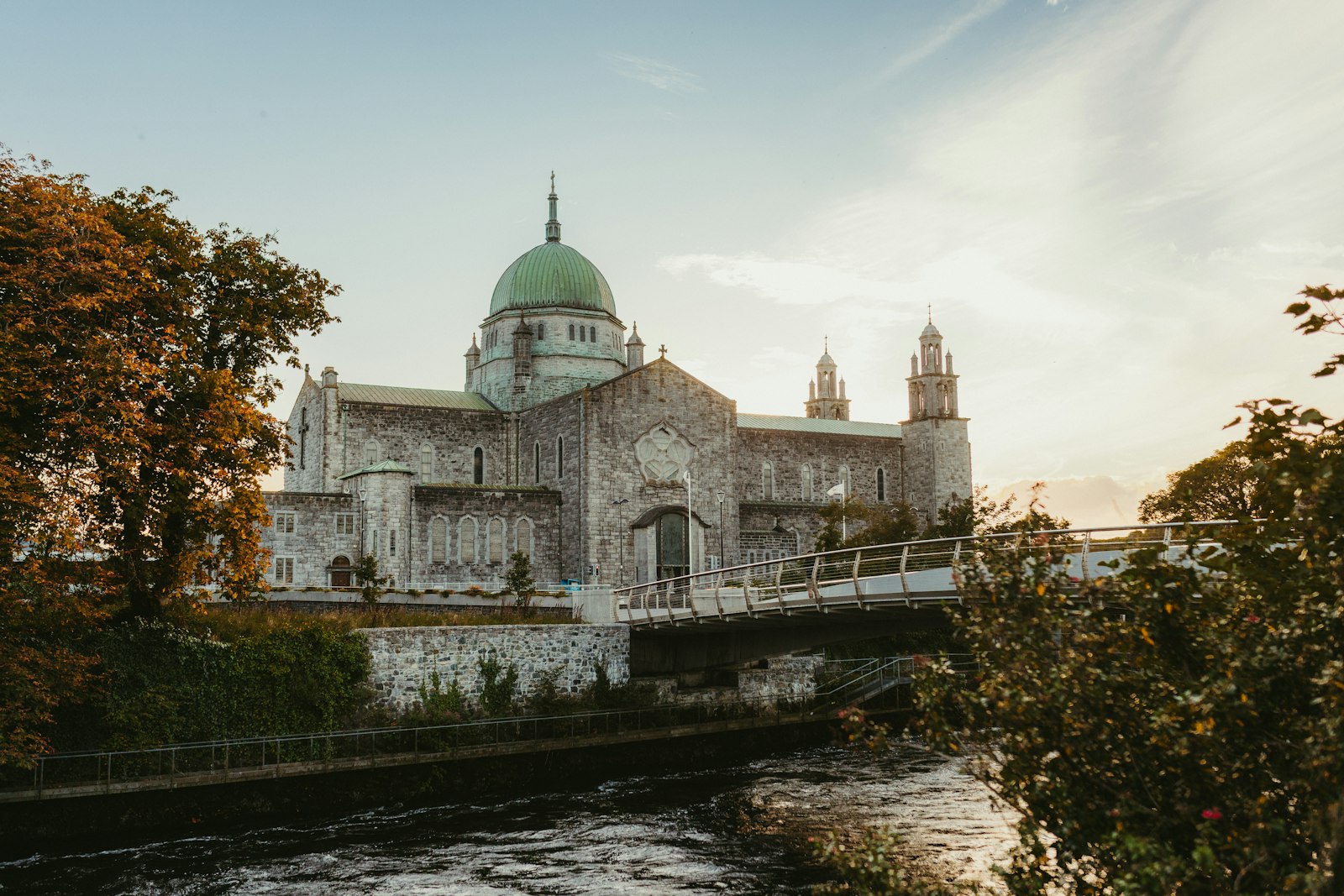
Photo by Jonathan Borba on Unsplash
Introduction
In pubs throughout Ireland and in Irish communities worldwide, a distinctive ritual unfolds several nights each week. Musicians gather informally, without rehearsal or predetermined structure, and begin playing traditional Irish dance tunes together. These gatherings—called “trad sessions” or simply “sessions”—represent the living heart of Irish traditional music culture. They’re where the music is actually played, where tradition is transmitted from experienced musicians to learners, where community is created through shared musical engagement.
For Americans encountering Irish traditional music, understanding sessions is crucial. Sessions aren’t formal concerts or recorded performances. They’re informal, participatory, and fundamentally democratic. Anyone with sufficient knowledge and skill can join. There’s no conductor, no predetermined list of tunes, no payment for participation. Instead, the music itself provides the only structure needed.
Sessions represent a different philosophy of music and community than American cultural norms typically emphasize. In sessions, the music matters more than individual achievement. The community matters more than personal success. Participation matters more than perfection. These values, while sometimes in tension with contemporary commercial culture, represent something profound about how music can function as a vehicle for community connection and cultural transmission.
How Sessions Work: Structure Within Informality
Sessions function according to relatively unwritten but widely understood conventions. One experienced musician begins playing a tune, usually a recognizable traditional piece played at a moderate tempo. Other musicians join in if they know the tune. The group plays the tune through, usually at least twice, then the lead musician starts a new tune and the process repeats.
The lead musician sets the tune’s tempo and character. Other musicians follow, adjusting their tempo and approach to match the leader. There’s no explicit communication about these matters—instead, experienced musicians develop the sensitivity to feel what’s happening musically and adjust accordingly. This requires genuine musical skill and attentiveness.
Instruments in sessions vary depending on location and the musicians present, but typical session instruments include fiddles, tin whistles, flutes, concertinas, bodhrán, and perhaps bouzouki, guitar, or other instruments. Each instrument has particular roles—fiddles or whistles typically carry the melody, bodhrán provides rhythm, other instruments provide accompaniment and counter-melodies. These roles aren’t assigned; instead, experienced musicians know what their instrument typically does and adjust based on the situation.
The session’s informality is deceptive. While there are no formal rules, there are definitely conventions. These include the appropriate tempo for different tune types, how to transition between tunes, when it’s appropriate to start a new tune, how to treat standard variations within tunes, and numerous other subtle understandings. Learning these conventions is part of learning to participate in sessions successfully.
The Session Repertoire
Sessions draw from a shared traditional repertoire of hundreds of tunes—jigs, reels, polkas, hornpipes, marches, and other dance forms. These tunes have been played for centuries and are recorded in various collections. A serious traditional musician might know hundreds of tunes, allowing them to participate in sessions without needing to discuss what will be played.
The same tunes are played across Ireland and in Irish communities worldwide. This consistency means that an Irish musician can visit a session in America, Australia, or anywhere else and participate seamlessly because they already know the standard repertoire. The shared tunes function as a universal language connecting Irish musicians globally.
Yet within this shared repertoire, variation thrives. Different musicians emphasize different tunes, play variations on standard versions, and create new arrangements. A tune might have multiple standard versions with regional variations. Musicians might take a well-known tune in new directions while maintaining its essential character. This combination—shared tradition alongside individual interpretation—characterizes how sessions function.
Session Etiquette and Participation
Participating in sessions successfully requires understanding and respecting certain conventions. One should only join in when one knows the tune being played. Playing tentatively or uncertainctly harms the session and reveals the player’s inexperience. Conversely, playing confidently in tunes you know contributes positively to the session’s quality.
New musicians shouldn’t draw undue attention. The focus should be on contributing to the group, not on individual display. Flashy playing or excessive ornamentation that calls attention to the individual rather than serving the tune is generally frowned upon. The best session players play with confidence and musicality while remaining part of the group rather than asserting individual prominence.
Session musicians should listen carefully to other players and adjust their contributions accordingly. If a tune is being played softly, maintaining that softness matters more than playing at your preferred volume. If the tempo is set at a particular speed, matching that tempo matters more than playing at a speed you prefer. This responsiveness and flexibility characterizes good session musicians.
It’s generally considered poor form to tune your instrument loudly during sessions, to start new tunes without allowing the previous one to finish completely, or to dominate session direction by constantly starting new tunes without allowing other musicians to lead. While these conventions are often unwritten, violating them significantly enough will result in cooler reception from experienced session musicians.
Session Contexts: Pubs, Concert Halls, and Kitchens
Sessions happen in various contexts. Traditional pub sessions remain the most iconic setting—musicians gather in pub corners, usually on specific nights each week, and play for themselves and whoever else wants to listen. These sessions are free to participate in and typically draw a mix of locals and visitors.
Concert hall sessions exist in some contexts, where traditional musicians gather to perform sessions for paying audiences. These sessions blend the traditional session format with concert presentation, maintaining the essence of session playing while acknowledging that the performance is for audiences rather than purely participant-focused.
House sessions occur informally at musicians’ homes, where friends and musicians gather to play together. These sessions maintain strong community bonds and often attract people who prefer smaller, more intimate settings than pub sessions.
Festival sessions are common during Irish music festivals, where dedicated session spaces draw musicians and audiences seeking intensive traditional music. Festival sessions often draw higher-quality musicians and attract serious enthusiasts eager to hear excellent traditional music.
Learning Through Sessions
Sessions serve crucial functions in traditional music transmission. Young musicians learn by attending sessions, listening carefully to experienced musicians, and gradually beginning to play along. This learning approach emphasizes listening and imitation rather than formal instruction or reading musical notation.
This learning method requires patience and significant commitment. A young musician might attend sessions for months before participating, absorbing the repertoire and developing the sensitivity needed to play appropriately in group contexts. Participating requires first acquiring substantial knowledge through listening and study, then gradually joining in with tunes you know while continuing to learn new material.
Sessions offer something that formal music instruction sometimes lacks: immersion in living musical tradition within community context. You learn not just how to play notes correctly but how to make music with other people, how to respond to group dynamics, how to honor tradition while bringing personal interpretation.
Session Musicians and Community
The musicians who lead sessions—typically the most experienced players who know the widest repertoire—hold particular status within traditional music communities. These musicians serve as guardians of tradition, maintaining knowledge of standard tunes and variations, modeling appropriate session behavior, and creating the welcoming space where sessions can thrive.
Sessions create genuine community. Regular session participants develop deep friendships grounded in shared musical passion. These relationships often extend beyond music into broader life contexts. Sessions function as gathering places where people connect on multiple levels.
This community function remains important even as Irish music has become increasingly professionalized. While some musicians pursue music as full-time careers, sessions maintain their character as fundamentally amateur, community-based activities. Even professional musicians often value session participation for the community connection and musical immediacy it provides.
Sessions in America and Global Irish Communities
Sessions exist throughout Irish communities in America and worldwide. Major American cities with significant Irish populations host regular sessions. These sessions maintain the traditional format while operating in the American context. The repertoire remains the same, the conventions are identical, yet the session culture reflects American musical contexts and sensibilities.
American sessions have sometimes developed distinctive characteristics. Some American sessions incorporate more variation and improvisation than traditional Irish sessions emphasize. Some American musicians bring influences from other musical traditions. These adaptations reflect how living traditions change and evolve in new contexts.
For Irish-Americans, sessions provide connection to Irish heritage and culture. Participating in sessions connects people to tradition stretching back centuries while creating contemporary community. This function proves valuable for cultural preservation and transmission across generations.
Session Variations and Debate
Not all sessions function identically, and discussion exists about what constitutes an “authentic” session. Some sessions emphasize strict adherence to traditional approaches, limiting participation to experienced musicians and maintaining conservative approaches to tune selection and arrangement. Other sessions are more inclusive, welcoming less experienced musicians and allowing greater variation in arrangements and instrumental choices.
These variations reflect different values and priorities. More traditional sessions prioritize maintaining pure tradition and musical quality. More inclusive sessions prioritize community participation and accessibility. Neither approach is definitively “correct,” and most session musicians appreciate both variations for different reasons.
This diversity of session approaches is itself traditional—sessions have always varied based on local musicians, venue, and community context. The idea that there’s one correct way to do sessions is perhaps less authentic than acknowledging that sessions naturally vary while maintaining essential characteristics.
The Future of Sessions
In contemporary times, sessions remain vital parts of Irish musical culture and continue spreading to Irish communities worldwide. Yet they face challenges from changing social patterns, younger generations’ different leisure interests, and the commercialization of some aspects of Irish music and culture.
Yet sessions show remarkable resilience. Despite predictions of traditional music’s decline, sessions continue attracting new musicians and audiences. New people continue discovering the joy of playing together in traditional contexts. Community value of sessions—their function as gathering places and cultural transmission vehicles—ensures their continued importance.
Conclusion: Democracy in Music
Sessions represent something distinctive and valuable about how music can function in human communities. They’re democratic—anyone with appropriate skill can participate. They’re egalitarian—all participating musicians have equal status. They’re community-focused—the group’s music matters more than individual achievement. They’re participatory—everyone is expected to contribute, not just listen passively.
These values stand in contrast to much contemporary commercial music culture, which emphasizes individual achievement, spectacle, and passive consumption. Sessions remind us that music can function differently—as a vehicle for community connection, cultural transmission, and the simple joy of making music together.
For Americans interested in Irish music and culture, attending a session—whether in Ireland or in Irish communities in America—provides invaluable insight into how Irish musical traditions actually function. Sessions are where the music lives, where tradition is continuously transmitted and renewed, where community is created through shared commitment to beautiful music and cultural values that prioritize connection over individual achievement.
Keywords: trad sessions, traditional Irish sessions, pub sessions, Irish musicians, community music, session etiquette, traditional repertoire, jigs and reels, folk music tradition, Irish cultural practices

Author: jonathan
Jonathan is the publisher of Irishtopia.net, Anglotopia.net, and Londontopia.net. He's passionate about travel and learning about other cultures. He's been to Ireland several times, and uses his travel expertise for Irishtopia!