
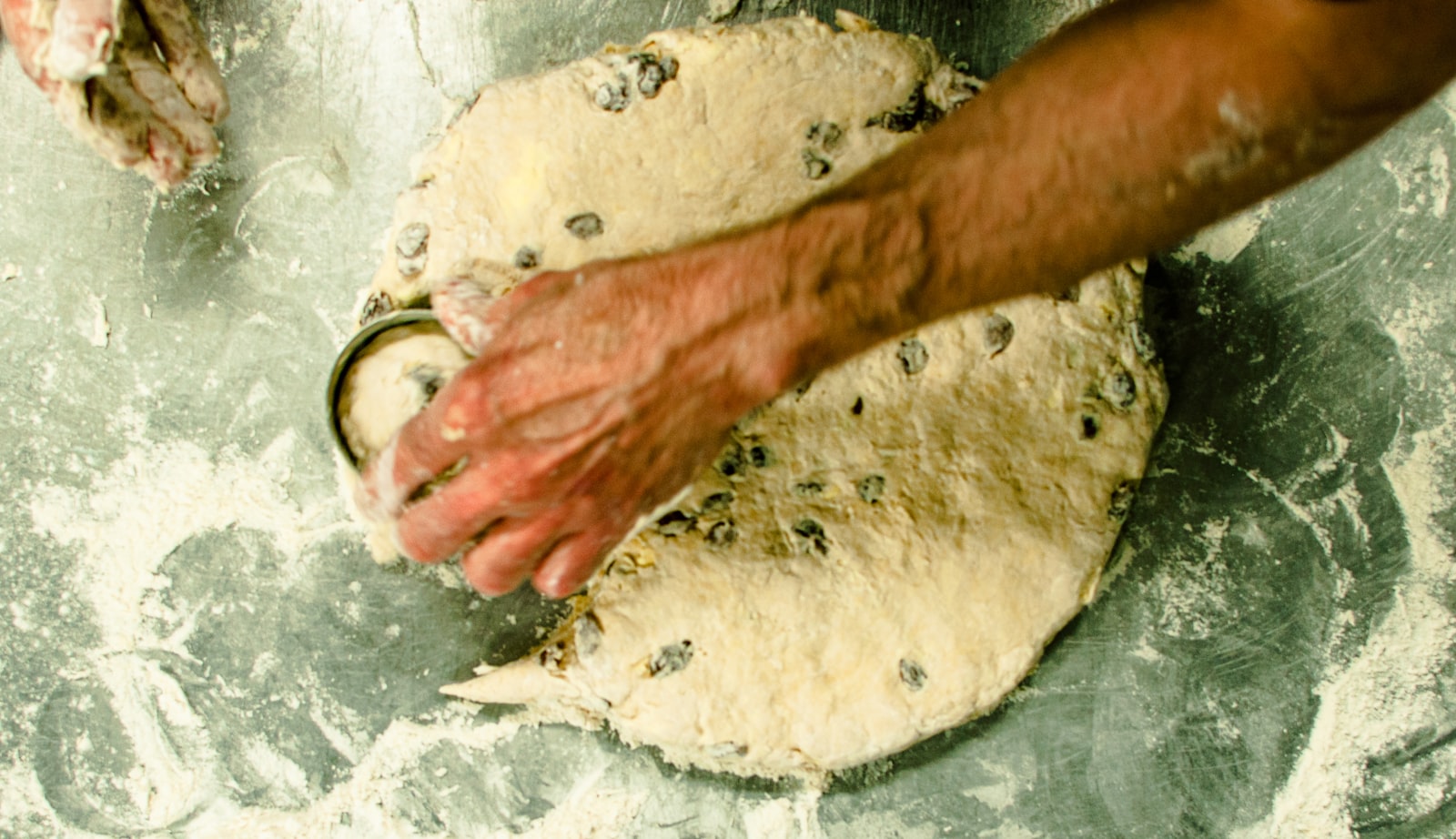
Photo by Nathon Oski on Unsplash
The aroma of freshly baked bread wafting from a cottage kitchen is as evocative of Ireland as any landscape or song. Irish breads occupy a unique position in culinary tradition—they are everyday food, yet elevated to something approaching spiritual significance through centuries of tradition and cultural meaning. Unlike many European nations with complex bread-baking traditions developed over millennia, Irish bread culture was shaped by unique historical circumstances, particularly the predominance of the potato and the absence of significant grain cultivation for much of Irish history. Yet from these constraints emerged some of the world’s most distinctive and beloved bread traditions. Understanding Irish breads is understanding how a culture adapts, survives, and creates beauty even from limitation.
The Historical Context: Why Irish Bread Is Unique
To understand Irish bread traditions, we must first understand that Irish bread culture developed differently from that of continental Europe or even Britain. While French, German, and Italian bread traditions were rooted in wheat cultivation and sophisticated yeast fermentation techniques passed through generations of master bakers, Ireland had different circumstances that shaped its culinary evolution.
For centuries, grain cultivation in Ireland was substantial, and various breads were produced. Yet the introduction and rapid adoption of the potato as a staple food in the seventeenth and eighteenth centuries fundamentally altered Irish food culture. The potato was extraordinarily productive in Irish soil and climate, could be grown easily even in poor conditions, and provided substantial nutrition. As the population grew and expanded into more marginal lands, dependence on the potato increased. Grain cultivation became less central to Irish agriculture, and grain-based bread fell out of everyday consumption for many Irish people.
When the Great Famine struck in the 1840s, disrupting potato supplies catastrophically, the loss of the potato revealed the extent to which Irish cuisine had become dependent on this single crop. Yet simultaneously, the survival and recovery from famine that began to occur in subsequent decades saw a re-emphasis on grain cultivation and bread-making traditions. The breads that emerged reflected what was available: limited access to commercial yeast, a reliance on quick-rising methods that didn’t require lengthy fermentation, and the incorporation of distinctive local ingredients.
Soda Bread: The Iconic Irish Invention
If any single bread could be called the national bread of Ireland, it would be soda bread. This simple yet magnificent creation represents Irish culinary genius applied to limitation. Unlike yeast breads, which require careful nurturing of starter cultures and extensive fermentation times, soda bread relies on the chemical reaction between baking soda (sodium bicarbonate) and acidic ingredients, typically buttermilk, to rise in the oven. This simple chemistry meant that Irish home cooks without access to commercial yeast or with insufficient time for fermentation could produce light, palatable bread reliably and quickly.
The most traditional and simplest soda bread contains only four ingredients: flour, baking soda, salt, and buttermilk. The flour is typically soft wheat flour, producing a different texture than the harder wheat flours used in continental European breads. The flour and baking soda are mixed, then buttermilk is added gradually until a soft dough forms. The dough is kneaded only briefly—overworking soda bread dough results in a tough, dense loaf. The dough is shaped into a round loaf, scored with a deep cross (which supposedly both helps heat penetrate and invokes religious blessing), and baked in a hot oven until the exterior is golden brown and the interior is cooked through.
The flavor of traditional soda bread is mild and slightly tangy, with a tender crumb that’s distinctly different from yeast breads. The acidic buttermilk leaves subtle flavor notes even after fermentation and baking. The slightly alkaline environment created by the baking soda reacting with the buttermilk affects gluten development and browning, creating a particular texture and crust character.
What makes soda bread remarkable is how its simplicity masks sophistication. Home bakers can produce excellent soda bread using ingredients that would be found in any Irish kitchen. Professional bakers have spent careers perfecting soda bread production, experimenting with hydration levels, fermentation times, flour types, and baking temperatures. The best soda breads possess a complexity of flavor and perfection of texture that belies their simple ingredient lists.
Regional variations on soda bread exist throughout Ireland. Some bakers add seeds (caraway seeds were historically common), dried fruit, or even stout beer to their soda bread recipes. Some bake it in covered cast iron pots to trap steam and create a thicker crust. Some score it with more or fewer lines. Yet all of these variations are simply elaborations on the same fundamental concept: quick bread made with baking soda and acid.
Brown Bread: The Rustic Staple
While soda bread is the bread most internationally recognized as Irish, brown bread holds an equally important, if perhaps less celebrated, place in Irish culinary tradition. Brown bread is made with wholemeal flour (the entire wheat kernel, including bran and germ, finely ground) in combination with white flour, creating a bread that is simultaneously heartier and more nutritious than pure white bread.
Like soda bread, brown bread typically relies on baking soda and buttermilk for leavening, though some commercial brown bread producers may incorporate small amounts of yeast for subtle flavor complexity. The higher bran content of wholemeal flour creates a bread with more texture, deeper color, and more complex flavor than white soda bread. The bran particles can absorb additional liquid, so brown bread dough tends to be slightly wetter than white soda bread dough.
Brown bread possesses a rusticity that appeals to consumers seeking whole grains and nutritional substance. It has a more developed flavor profile than white soda bread, with subtle nutty and wheaten notes. The darker color and visible bran particles give brown bread visual character that signals its wholesome qualities.
Commercially, brown bread has historically been the everyday bread of Irish households, while white soda bread was often reserved for special occasions or weekend use. Working-class Irish families would consume brown bread daily at breakfast, lunch, and dinner, often with butter and jam, or alongside stews and other dishes. This accessibility and everyday importance gave brown bread special cultural significance—it is the bread of ordinary Irish life, the staff of life for generations of Irish people.
Homemade brown bread remains popular in Ireland, and many Irish bakeries and supermarkets stock fresh brown bread daily. The bread slices relatively easily compared to white soda bread, which can be crumbly, making it more convenient for everyday use. Its nutritional profile, with fiber and minerals from the wholemeal component, appeals to contemporary consumers interested in whole grains.
Barmbrack: The Festive Bread
While soda bread and brown bread are everyday breads, barmbrack occupies a different niche in Irish culinary tradition—it is a celebratory bread, associated with special occasions, holidays, and festive moments. The name derives from “barm,” the yeast froth that rises during fermentation, and “brack,” an Irish word for speckled or spotted.
Barmbrack is a fruit bread, featuring dried fruits that have been soaked and incorporate into a lightly spiced dough. The traditional approach involves soaking dried fruits (typically a combination of raisins, sultanas, and currants) in strong black tea overnight, allowing them to plump and absorb the tea’s tannins and color. This soaked fruit is then mixed into a relatively simple dough, typically made with flour, baking soda or yeast, salt, sugar, and eggs. The result is a dense, moist, fruit-speckled bread with subtle spice notes (cinnamon, mixed spice) and natural sweetness.
Barmbrack has historical roots in medieval bread traditions. Before modern transportation made exotic spices and dried fruits commonplace, fruits were preserved by drying to last through winter months. The traditional barmbrack represented a special occasion bread because the dried fruits were expensive luxuries, affordable only for celebrations. This special status persisted even as dried fruits became more accessible and affordable, and barmbrack retained its association with holidays and festive occasions.
In contemporary Ireland, barmbrack is particularly associated with Samhain (All Hallows’ Eve) and other autumn festivals. The bread features prominently in holiday food traditions and gift-giving. Many Irish families have their own barmbrack recipes, passed down through generations, often with particular spice blends or fruit combinations that make them unique. Commercial barmbrack is widely available in Irish supermarkets and bakeries, though homemade versions are often preferred for their superior flavor and texture.
Barmbrack is traditionally sliced and buttered for eating, sometimes toasted slightly to warm and soften the fruit. It pairs beautifully with tea or coffee, making it a perfect accompaniment to afternoon tea time. Some contemporary bakers have experimented with barmbrack, creating variations with additional spices, different tea bases (Guinness barmbrack has become fashionable), or alternative fruits like dried cranberries or apricots.
The Science and Art of Irish Bread Baking
Irish bread baking, whether soda bread, brown bread, or barmbrack, reflects principles of chemistry and technique refined through generations of practice. Understanding these principles helps explain why authentic Irish breads have the characteristics that make them distinctive and appealing.
Soda bread chemistry begins with understanding how baking soda (sodium bicarbonate) produces carbon dioxide gas when exposed to acid and heat. In soda bread, the acid comes from buttermilk, which contains lactic acid. When the two combine, carbon dioxide is produced almost immediately, causing the dough to rise. This is why soda bread doesn’t require fermentation time—the rise happens during baking. The dough must be mixed and shaped quickly and baked immediately, before the carbon dioxide can dissipate and the dough collapses.
The ratio of acid to baking soda matters significantly. Too little acid results in insufficient rise and a dense, heavy loaf. Too much acid results in an overly alkaline environment, creating an unpleasant soapy or metallic flavor. Perfect traditional soda bread achieves the right balance, where all the baking soda reacts fully with the available acid, producing optimal rise and neutral flavor.
The flour type affects soda bread character substantially. Traditional Irish soda bread uses soft wheat flour, which has lower protein content than bread flours. This creates softer gluten networks that can’t develop as much elasticity. The result is a tender crumb with a tighter, more even texture compared to yeast breads. Contemporary bakers sometimes use different flour combinations—adding a small amount of whole wheat flour or using different wheat varieties—to create variations in texture and flavor.
Hydration levels (the ratio of liquid to flour) significantly affect soda bread. Traditional recipes use relatively high hydration, making the dough quite soft and sticky. This high hydration creates the tender, moist crumb that’s characteristic of good soda bread. Bakers working with high-hydration doughs develop skill in handling sticky dough, shaping without adding excessive flour, and creating loaves with good structure despite the wet dough.
For brown bread, the wholemeal flour adds complexity. The bran particles absorb additional water, so brown bread doughs require more liquid than white soda bread doughs. The bran also affects gluten development, creating slightly different texture characteristics. Some bran particles remain even after grinding, creating visible speckling and providing textural variation throughout the loaf.
Barmbrack baking involves additional considerations. If using yeast (as some bakers do), fermentation develops flavor complexity. The soaked fruits contribute moisture to the dough, and their sugar content can caramelize slightly during baking, intensifying flavor. The spices meld during fermentation and baking, deepening and softening their flavors. Getting the balance right—ensuring the bread rises adequately while the fruits soften completely and the spices distribute evenly—requires experience and skill.
Contemporary Irish Bread Culture
Irish bread traditions remain vibrant in contemporary Ireland and among Irish communities worldwide. Fresh soda bread, brown bread, and barmbrack appear in bakeries throughout Ireland, with many bakeries continuing to bake several times daily to ensure fresh supply. Home baking of these breads also remains popular—many Irish households have a soda bread or brown bread ritual, baking weekly or even more frequently.
The artisanal bread movement that swept through many countries has touched Ireland, with craft bakers experimenting with Irish bread traditions, adding modern techniques while respecting traditional forms. Some contemporary bakers ferment soda bread with small amounts of yeast and extended resting time, creating deeper flavor while maintaining the essential quick-bread character. Others combine soda bread and sourdough techniques, creating breads that are neither purely quick breads nor traditional yeasted loaves.
Irish bread culture has also expanded internationally, with Irish communities in America and elsewhere maintaining bread traditions. Irish bakeries in American cities produce soda bread, brown bread, and barmbrack for Irish-American communities. The broader American artisanal bread movement has embraced Irish breads, with many American craft bakers now producing traditional Irish breads alongside their other products.
Pairing and Serving Irish Breads
The way Irish breads are traditionally served reflects their role in Irish food culture. Soda bread and brown bread are typically sliced thickly and served with butter at nearly every meal. They accompany stews, soups, and other savory dishes. They’re also served with jam or marmalade for breakfast or tea time. The simplicity of these breads means they pair beautifully with simple preparations—the buttered bread becomes the perfect complement to a bowl of Irish stew, allowing diners to soak up the flavorful broth.
Barmbrack is traditionally served sliced with butter for afternoon tea, or sometimes with a cup of tea for a simple afternoon snack. The bread’s sweetness and fruit content make it self-sufficient—it doesn’t require additional accompaniment beyond butter and tea.
In contemporary Irish dining, both casual and fine dining establishments have rediscovered traditional breads. Top restaurants might serve house-made soda bread with butter, or warm brown bread with soup courses. The breads’ authenticity and deep connection to Irish tradition make them powerful tools for creating authentic dining experiences.
The Future of Irish Bread Traditions
As with many food traditions, Irish bread baking faces both challenges and opportunities in the contemporary era. Declining numbers of traditional bakeries means that younger generations sometimes grow up without access to truly traditional breads made by skilled bakers. Simultaneously, interest in artisanal foods and traditional foodways has never been stronger, with consumers seeking authenticity and connection to food heritage.
Modern bakers are finding creative ways to honor Irish bread traditions while responding to contemporary interests and needs. Sourdough versions of Irish breads appeal to consumers interested in fermentation and reduced gluten development. Gluten-free soda bread has opened these traditions to people with dietary restrictions. Whole-grain variations and heritage grain experiments add nutritional profiles and flavor complexity to traditional breads.
The globalization of food culture means that Irish breads have become accessible far beyond Ireland’s borders. American, Australian, and other international bakers have embraced Irish bread traditions, bringing soda bread and brown bread to new audiences. This globalization both preserves these traditions (by ensuring they’re produced and consumed outside Ireland) and potentially dilutes them (by exposing them to variations and innovations that may diverge from tradition).
Conclusion: Bread as Cultural Expression
Irish breads represent far more than simply baked goods—they are expressions of Irish history, adaptation, and cultural values. The quick-bread chemistry of soda bread and brown bread reflects Irish resourcefulness, solving the problem of leavening with limited access to commercial yeast through chemical innovation. The celebration of barmbrack reflects Irish joy and social warmth, marking special occasions and bringing people together.
For American consumers discovering Irish bread traditions, these breads offer accessible entry points into authentic Irish food culture. A slice of warm soda bread with butter, or a thick slice of brown bread alongside a bowl of stew, provides direct connection to centuries of Irish culinary tradition. These humble breads, made from simple ingredients through straightforward techniques, have sustained Irish people through centuries and continue to nourish and bring joy today. They are the foundation of Irish hospitality and the heart of Irish home cooking—simple, authentic, and profoundly satisfying.

Author: jonathan
Jonathan is the publisher of Irishtopia.net, Anglotopia.net, and Londontopia.net. He's passionate about travel and learning about other cultures. He's been to Ireland several times, and uses his travel expertise for Irishtopia!