
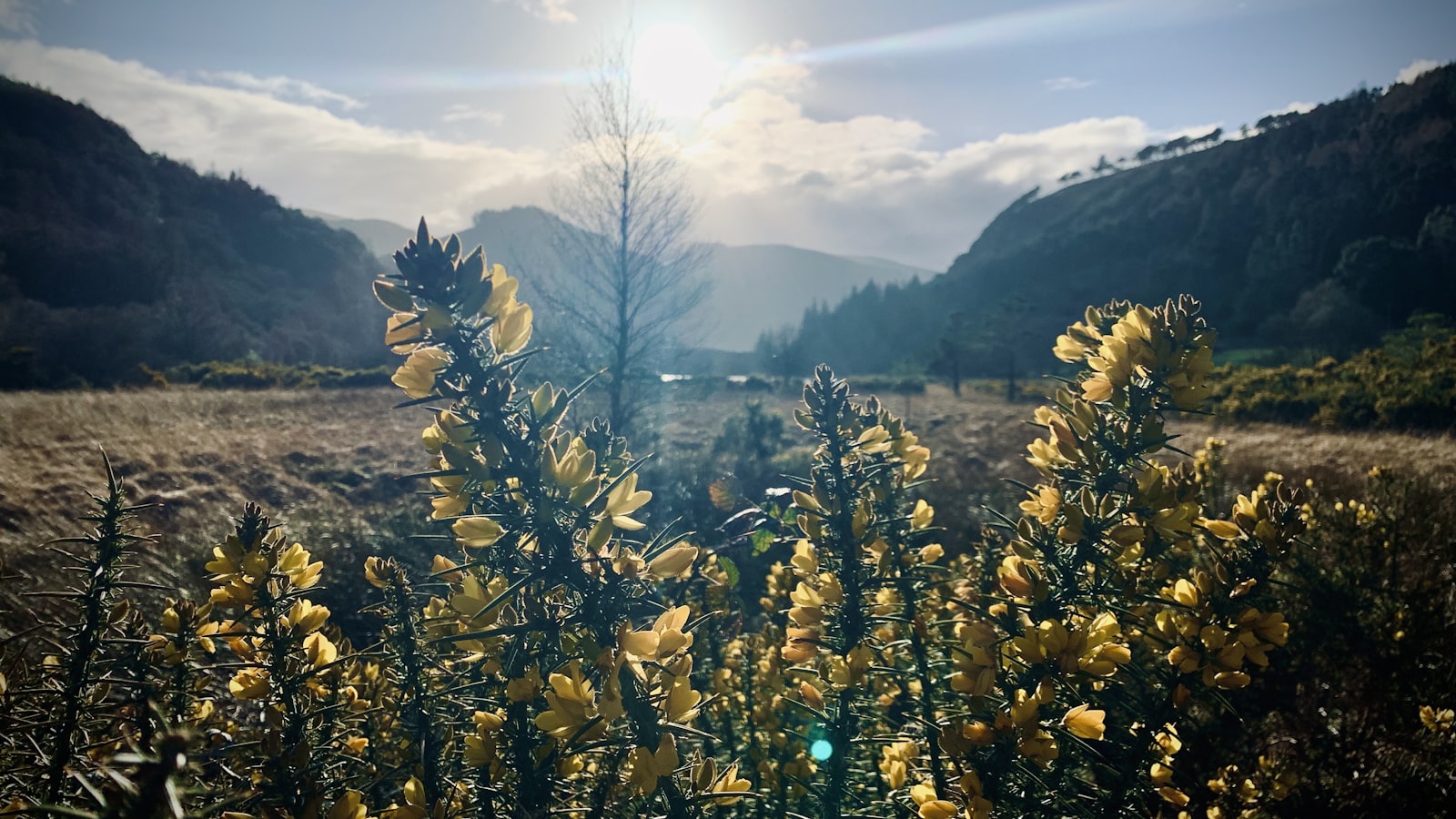
Photo by Max Krampe on Unsplash
Ireland’s highest mountains, clustered in County Wicklow south of Dublin, offer hiking opportunities and landscape beauty that surpass expectations. While not towering by international standards—Ireland’s highest mountain, Carrauntoohil, reaches merely 1,038 meters—the Wicklow Mountains provide genuine alpine hiking experiences, dramatic ridge traverses, and summit views extending across the entire eastern Irish landscape.
What makes the Wicklow Mountains remarkable for American visitors is their accessibility combined with authentic wilderness experiences. Located just 30 kilometers south of Dublin, the mountains remain accessible for day trips from the capital while offering multi-day hiking adventures and lodge-based experiences providing comfort and convenience. The mountains provide escape from urban environments while maintaining connections to civilization—a combination that appeals particularly to American travelers accustomed to defined infrastructure.
Understanding the Wicklow Mountains: Geography and Character
The Wicklow Mountains extend approximately 50 kilometers north to south, with their widest east-west expanse reaching about 25 kilometers. This range, while modest in international context, encompasses genuine alpine terrain, exposed ridges, and valleys that create dramatic landscapes and satisfying hiking.
The mountains’ geology consists primarily of granite and other igneous rocks, distinguished from the sedimentary rocks characterizing much of surrounding Ireland. This geological difference creates steeper slopes, more defined peaks, and dramatic crags that wouldn’t exist in areas of softer sedimentary geology.
The mountains’ historical significance reflects both natural resources and cultural importance. Historical copper mines operated in the mountains, extracting minerals that supported Irish industry. More significantly, the mountains provided refuge for Irish communities during periods of English oppression and served as strongholds for Irish resistance movements.
The Wicklow Mountains National Park, designated in 1991, encompasses 20,000 hectares protecting the region’s ecology and providing legal framework for managing visitor access and environmental protection. The park supports extensive hiking trail networks while protecting sensitive habitats and archaeological sites.
Major Peaks and Summit Experiences
Lugnaquilla: Ireland’s Highest Mountain
Lugnaquilla (Log na Coille), rising to 926 meters, represents the Wicklow Mountains’ highest peak and Ireland’s second-highest mountain overall. The summit, while accessible to hikers of moderate experience, requires sufficient physical exertion to provide genuine accomplishment upon reaching the top.
The most popular route ascends from Glenmalur Valley, following river paths that gradually transition from riverside walking into alpine terrain. The ascent, taking approximately 2-3 hours from the valley floor, covers approximately 6 kilometers and involves elevation gain of approximately 600 meters. While these metrics seem modest, the exposed terrain, variable weather, and altitude create genuine alpine experiences.
Reaching Lugnaquilla’s summit rewards with panoramic views. On clear days, visibility extends across the Irish Sea toward Wales, across Dublin’s sprawl to the north, and southward across Wicklow’s entire mountain range. The summit’s exposed position creates frequent wind—the views simultaneously inspire and humble through their expansiveness and the apparent isolation of standing above surrounding terrain.
The descent route, typically retracing the ascent, takes approximately 2 hours. Many hikers underestimate descent difficulty, finding it more challenging than anticipated. Proper footwear, rest stops, and attention to footing remain essential.
Scarr and Mullaghcleevaun: Ridge Traverses
Scarr (657 meters) and Mullaghcleevaun (645 meters) represent secondary peaks that reward hikers through ridge traverse experiences. Rather than being simple point-to-point hikes, these peaks are typically tackled as part of ridge walks connecting multiple summits and offering varied perspectives.
The South Wicklow Ridge, combining Scarr and Mullaghcleevaun with Tonelagee, provides approximately 13 kilometers of ridge walking with cumulative elevation changes exceeding 1,200 meters. This route demands more conditioning than simple summit hikes but provides unparalleled alpine experiences—walking entirely on or near ridge lines, with steep drops visible to both sides, creates genuine mountain experiences.
These ridge walks demand respect for weather conditions. Exposed ridges in wind, fog, or rain transform experiences from exhilarating to dangerous. Most experienced Wicklow hikers only attempt major ridge walks during settled weather with reliable forecasts.
Tonelagee and Glendalough Circuit
Tonelagee (817 meters) presents an alternative summit experience, often tackled as part of Glendalough-based hikes. This mountain, rising above the dramatic valley containing Glendalough monastery, provides views directly into the valley and across the surrounding landscape.
The Glendalough Circuit, combining Tonelagee with related peaks, creates a full-day hiking experience of approximately 16 kilometers with substantial elevation changes. Starting from Glendalough’s visitor center, the route ascends through various terrain from forest paths to exposed mountainside before reaching Tonelagee. The descent returns via alternative routes, creating variety in landscape experiences.
This circuit particularly appeals to visitors interested in combining natural hiking with cultural exploration—Glendalough’s monastic settlements (discussed more fully below) sit at the circuit’s base, allowing integration of historical tourism with hiking.
Glendalough: Mountains, Monastic Heritage, and Waterscapes
Glendalough (Gleann Dá Loch—Valley of Two Lakes) represents one of Ireland’s most significant monastic sites, positioned in a dramatic mountain valley containing two glacial lakes. The combination of natural beauty, historical significance, and hiking accessibility makes Glendalough a primary Wicklow destination deserving multiple days of exploration.
The Monastic Settlement
The Early Christian monastic settlement at Glendalough, founded by Saint Kevin in the 6th century, became one of Ireland’s most important religious communities. The settlement’s remote valley location, while creating challenges for daily life, provided spiritual benefits—isolation supporting monastic contemplation.
The site’s most iconic feature is the Round Tower, rising approximately 30 meters above the valley floor. This Early Christian structure, built around the 10th century, served multiple functions—bell tower for summoning monks to prayer, refuge during Viking raids, and symbol of monastic importance. The tower’s preservation, relative to other Early Christian structures, makes it one of Europe’s most intact examples.
The site contains several churches, each revealing architectural evolution across centuries. The Cathedral, although ruined, communicates monastic community scale. Smaller stone churches reveal diverse building periods and functions. Walking among these structures, you sense the spiritual community that chose to locate their monastery in this isolated mountain valley.
Saint Kevin’s Bed, a small cave accessible by scrambling along the lake cliff, represents a more ancient monastic tradition. This cave, reputedly where Saint Kevin lived in early monastic years, epitomizes the severe ascetic tradition early monastic communities embraced.
The site’s visitor center provides essential context through exhibits, videos, and interpretive materials. While the site attracts substantial tourist traffic, visiting early morning or during shoulder seasons allows relative peace and opportunity for extended contemplation.
Hiking from Glendalough
The valley’s hiking options range from gentle lakeshore walks to challenging mountain routes. The Wicklow Way, Ireland’s primary long-distance trail, passes through Glendalough, providing connections to broader hiking networks.
The lake circuit walks, accessible to visitors of modest fitness levels, provide opportunities to experience the valley’s landscape and monastic sites at varied paces. Morning walks, when mist rises from water and light remains soft, create particularly beautiful experiences.
The Tonelagee circuit, discussed above, begins from Glendalough, allowing hikers to combine monastic exploration with mountain summits.
The Wicklow Way: Long-Distance Hiking Framework
The Wicklow Way, stretching 130 kilometers from Rathfarnham at Dublin’s southern edge to Clonegal in County Carlow, provides Ireland’s most popular long-distance hiking trail. While long-distance walkers typically complete the entire route over 7-8 days, numerous day-walk options utilize sections of the trail.
The trail’s popularity stems from accessibility (beginning near Dublin) combined with genuine wilderness experiences. The route climbs multiple mountain passes, traverses ridge lines, and descends into scenic valleys, providing varied landscape experiences throughout.
Day walks utilizing Wicklow Way sections allow visitors to experience the trail’s character without committing to multi-day walks. The route between Glendalough and Laragh provides approximately 6 kilometers of pleasant valley walking. The ascent from Laragh toward Camaderry offers more substantial day hiking with panoramic views.
The Wicklow Way’s main strength is structural organization—the trail provides framework for hiking while avoiding the need for complex route-finding. Clearly marked paths, guidebooks, and established accommodation along the route make multi-day treks accessible to moderately experienced hikers.
Mountain Lodges and Accommodation
The Wicklow Mountains’ proximity to Dublin, combined with dramatic landscapes, has created a lodging industry combining comfort with mountain access. These establishments range from simple mountain hostels to luxury resorts, accommodating various budgets and preferences.
Glenveagh Lodge and Similar Establishments
Lodge-based stays provide alternatives to camping or demanding backcountry experiences. These facilities typically include comfortable accommodations, prepared meals, and information regarding local hiking opportunities. Some lodges offer guided hikes, providing expertise for visitors unfamiliar with Wicklow terrain.
These lodges frequently occupy strategic positions providing easy access to major hiking routes while offering evening comfort and prepared meals. The combination allows hikers to experience genuine mountain environments while maintaining comfort standards many American travelers expect.
Camping and Hostels
Traditional camping and hostel accommodation throughout the mountains provides budget alternatives. Several campgrounds occupy positions allowing easy hiking access. Mountain hostels, often operated by hiking organizations or private proprietors, cater specifically to trail-based travelers.
These accommodations, while basic, provide opportunities to connect with other hikers and gather local knowledge regarding trails and conditions.
Practical Considerations for Wicklow Mountain Hiking
Getting There: The Wicklow Mountains’ southern edge begins just 30 kilometers south of Dublin. Public transportation reaches major villages (Glendalough, Laragh, Wicklow town), but accessing trailheads fully requires a rental car or organized transportation.
Trail Conditions and Difficulty: Wicklow trails vary substantially in difficulty. Initial ascents seem modest by international standards but can challenge visitors underestimating Irish mountain conditions. Weather dramatically affects difficulty—exposed ridge walks that seem manageable in clear conditions become dangerously navigable in fog or wind.
Gear Requirements: Proper hiking boots are essential—the terrain is rough, rocky, and often wet. Waterproof outerwear is essential rather than optional—Irish mountains receive substantial rainfall, and weather changes rapidly. Adequate water and nutrition become critical on longer hikes, as facilities remain sparse.
Navigation: While major trails remain well-marked, carrying detailed maps and a compass (or GPS) is essential. Fog can disorient hikers quickly—relying on trail markers alone in poor visibility creates navigation risk.
Timing: Spring through autumn (April-October) provides optimal hiking conditions. Summer (July-August) offers longest daylight but draws maximum crowds. May-June and September-October provide advantages of fewer hikers and pleasant weather.
Weather: Mountain weather changes rapidly—mornings beginning clear frequently transition to afternoon fog or rain. Weather forecasts become essential, and flexibility regarding plans is essential. The saying “If you don’t like the weather, wait five minutes” applies particularly to Irish mountains.
Physical Fitness: Most Wicklow hikes remain accessible to hikers of moderate fitness. However, cumulative elevation gains and rough terrain demand better conditioning than equivalent distance on flat terrain.
Activities Beyond Hiking
While hiking dominates Wicklow Mountain tourism, additional experiences merit consideration:
Historical Exploration: Beyond Glendalough, numerous monastic sites and ruins scatter throughout the mountains. Walking tours exploring these sites provide cultural context alongside landscape appreciation.
Photography: The mountains’ dramatic scenery, changing light conditions, and diverse landscapes reward extensive photography. Early morning and late evening light create exceptional photographic opportunities.
Bird Watching: The upland habitats support bird species adapted to exposed terrain, including various raptors and upland moorland species. Patient observers viewing from elevated positions can observe bird activity that would be impossible from lower altitudes.
Scenic Driving: Those preferring vehicle-based exploration can drive mountain passes and valleys, accessing scenic viewpoints without requiring extensive hiking.
Conclusion: Wicklow’s Mountains as Irish Gateway
The Wicklow Mountains provide American visitors with accessible yet authentic mountain experiences. The combination of proximity to Dublin, established trail networks, and lodge-based accommodation makes them particularly suitable for visitors seeking genuine outdoor experiences without requiring backcountry expertise or extended wilderness isolation.
The mountains’ ecological significance, historical heritage, and dramatic scenery create experiences that, while modest by international mountain standards, profoundly impact visitors through their accessibility and beauty. Day hikes to major peaks, ridge traverses offering alpine experiences, and multi-day treks on the Wicklow Way provide options accommodating various abilities and interests.
For American visitors wanting to escape Dublin’s urban environment, experience genuine Irish mountains, and access quality hiking within hours of the capital, the Wicklow Mountains deliver repeatedly. The combination of natural beauty, established infrastructure, and relative proximity to major tourist facilities makes them an essential Irish destination deserving attention within any Ireland itinerary.

Author: jonathan
Jonathan is the publisher of Irishtopia.net, Anglotopia.net, and Londontopia.net. He's passionate about travel and learning about other cultures. He's been to Ireland several times, and uses his travel expertise for Irishtopia!