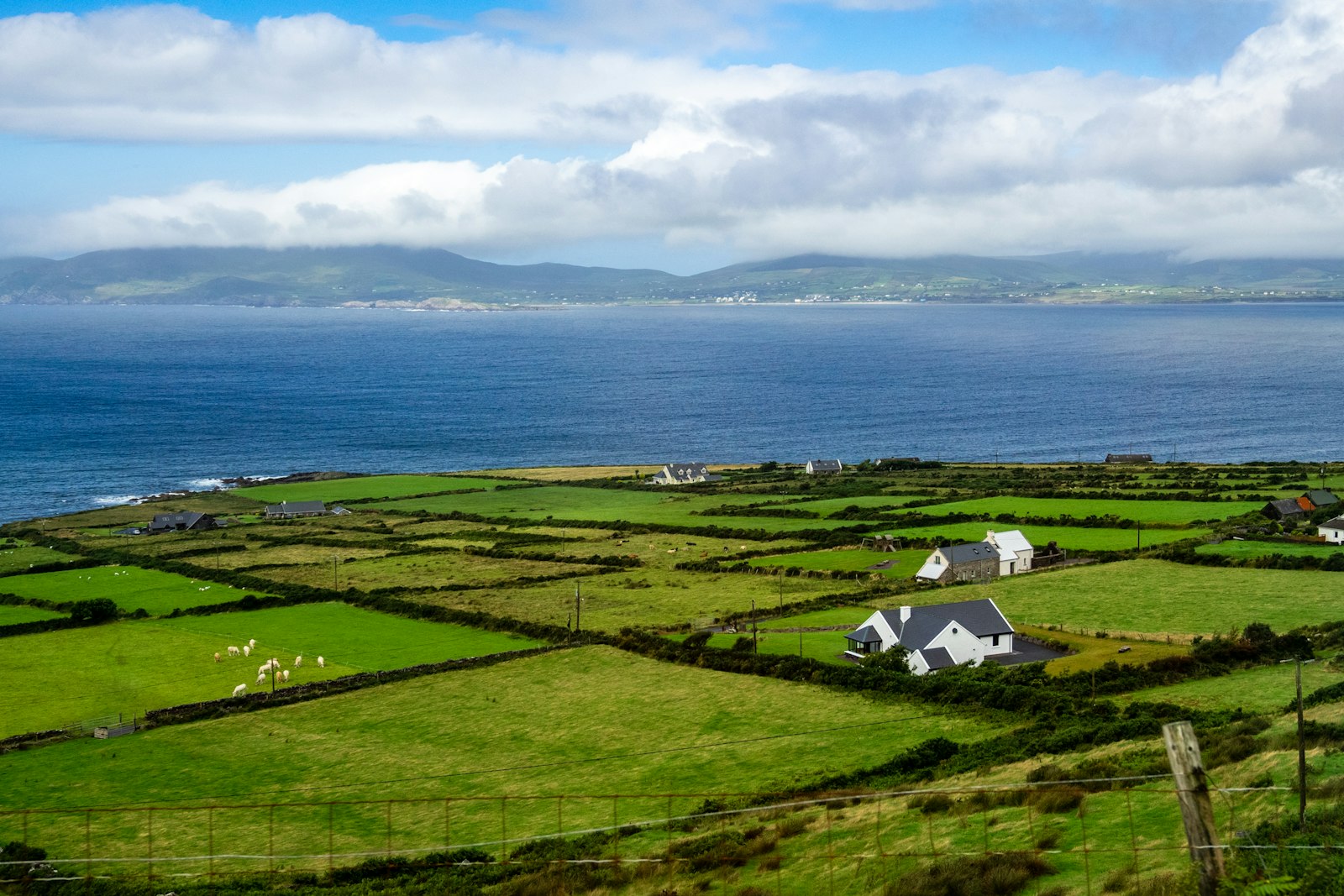
Photo by Andre Ouellet on Unsplash
Reliable internet is essential for modern life, particularly for expats who may maintain connections to the US, work remotely, or simply need consistent access. Ireland’s broadband and mobile networks have improved significantly over recent years, yet quality and availability vary dramatically by location. Rural Ireland remains under-served while urban areas have excellent connectivity. This guide explains Ireland’s internet options, mobile networks, and solutions for staying connected regardless of location.
Broadband (Fixed Internet)
Types of Broadband Available
Fibre-to-the-premises (FTTP): Fiber optic cable directly to your home, fastest speeds (€30-€80 monthly for 500+ Mbps). Available in many cities and suburbs but not universal.
Fibre-to-the-cabinet (FTTC/VDSL2): Fiber to a street cabinet with copper to your home, moderate speeds (€30-€60 monthly for 50-100 Mbps). More widely available than FTTP.
Copper ADSL: Older technology, slower speeds (€20-€40 monthly for 10-20 Mbps). Still available but becoming obsolete.
Broadband over fixed wireless: Wireless transmission where wired options aren’t available. Speeds vary (€30-€60 monthly for 10-50 Mbps).
Satellite broadband: Rural areas without wired options use satellite. Speeds are adequate but latency is higher (€50-€80 monthly).
Major Broadband Providers
Eir: Ireland’s dominant fixed-line operator, offers broadband through FTTP, FTTC, and wireless.
Virgin Media: Primarily urban presence, offers fast cable broadband in Dublin and some other cities.
Vodafone: Offers broadband bundled with mobile service in some areas.
Sky broadband: Operates through Eir infrastructure, offers bundled TV and phone services.
Smaller providers: Various smaller ISPs offer competitive packages in specific regions.
Checking Availability and Speeds
Visit Eir.ie, Virgin Media.ie, or Sky.ie and enter your address to check available services and speeds.
Speed varies: cities typically offer 50-500+ Mbps; rural areas might have 5-20 Mbps.
Installation and Costs
Setup: Most providers charge installation fees (€50-€100) and require technician visits to establish connections.
Contract length: Typically 12 or 24 months with early termination fees if cancelled.
Speed tiers: Speeds are usually tiered (basic €20-€30/month, faster €40-€60/month, premium €60-€100+/month).
Bundling: TV and phone services are often bundled cheaper than purchasing separately.
Troubleshooting Rural Broadband
If your location lacks quality fixed broadband:
Fixed wireless broadband: May provide adequate speeds if line-of-sight to transmission tower exists.
Satellite broadband: Reliable fallback, higher latency (less suitable for video conferencing) but adequate for most work.
Mobile hotspot: Using a 4G/5G mobile hotspot as primary internet. Requires unlimited or large-cap data plan.
Many rural expats combine mobile broadband with fixed wireless or satellite for redundancy and reliability.
Mobile Networks and Plans
Major Mobile Operators
Vodafone: Largest network, €15-€60 monthly for various plans, excellent coverage.
Three (3): Second-largest, competitive pricing, excellent urban coverage, sometimes slower rural.
Eir Mobile: Operates on Vodafone network, competitive pricing.
Tesco Mobile: Budget option on Vodafone network, lower cost, adequate coverage.
Gomo: Virtual operator on Vodafone network, very economical for low-usage customers.
Plan Types
Pay-monthly contracts: €15-€60+ per month depending on data allowance. Contracts typically 12 or 24 months. Early termination fees apply.
Pay-as-you-go (prepaid): No contract, no early termination. You pay per use or monthly credits. Good for testing before committing or if you use little data.
Family plans: Multiple SIM cards on one plan, shared data, often discounted vs. individual plans.
Data Allowances
Light users (€10-€20 monthly): 3-10GB data, unlimited texts and calls.
Medium users (€20-€35 monthly): 20-50GB data, unlimited texts and calls.
Heavy users (€35-€60 monthly): Unlimited or 100GB+ data, unlimited texts and calls.
Americans accustomed to unlimited data should clarify actual limits before committing. Many plans claim “unlimited” but have speed throttling after certain usage.
Network Quality and Coverage
Urban areas: All networks have excellent 4G/5G coverage, speeds of 100-300+ Mbps.
Suburbs: Good coverage from all networks, speeds 50-150+ Mbps.
Rural areas: Vodafone typically has best rural coverage; Three sometimes lags. Even in rural areas, adequate 4G coverage exists, though speeds may be 10-50 Mbps.
Remote areas: Dead zones exist in remote mountains and some coastal areas. Even the best networks have gaps.
Getting a Mobile Plan
Visit a mobile provider store or order online. You’ll need:
- Passport or ID
- Proof of address (utility bill or lease)
- Credit card or bank details for payment
Processing is quick; you may activate your SIM the same day.
International Roaming
If traveling outside Ireland:
EU roaming: Your Irish mobile plan works throughout the EU at home rates (no extra charges). This is revolutionary for Americans used to international roaming fees.
Outside EU: Roaming charges apply. Check your provider’s rates before traveling to non-EU countries.
WiFi and Connectivity in Public Spaces
WiFi Availability
Coffee shops and restaurants: Most offer free WiFi to customers.
Libraries: Public libraries offer free WiFi and sometimes computer access.
Hotels and accommodations: WiFi included in most places.
Airports: Free WiFi available.
Trains: Some intercity trains offer onboard WiFi, though quality varies.
Public WiFi networks: Less common than in some countries, but growing.
WiFi Quality
Public WiFi quality is variable—sometimes fast, sometimes slow. Don’t rely on it for important work; use mobile hotspot or home broadband for serious tasks.
Remote Work and Digital Nomad Considerations
Upload Speeds for Video Conferencing
Rural areas with lower broadband speeds sometimes struggle with video conferencing (Zoom, Teams, etc.) due to limited upload speeds.
If remote work is central to your income, prioritize locations with:
Urban areas have no concerns; rural areas require verification before committing.
VPN and Security
Using VPN (Virtual Private Network) is recommended for public WiFi connections. VPN services like NordVPN or ExpressVPN cost €5-€15 monthly.
Irish internet is safe; VPN primarily protects on public networks, not within your home.
Practical Setup for New Arrivals
First Steps
- If moving to house/apartment with existing broadband: Contact the landlord to confirm service, get account details, and test functionality.
Budget for First Month
Broadband setup: €50-€100 (one-time installation fee, waived by some providers)
Broadband monthly: €20-€60 (depending on speed tier)
Mobile monthly: €15-€60 (depending on data allowance)
Total monthly: €35-€120 for both services
This is economical compared to American home internet and mobile plans.
Troubleshooting Connectivity Issues
Broadband Problems
Slow speeds: Contact your provider to verify your line isn’t congested. May be provider issue or modem problem.
Frequent disconnections: Modem may be faulty. Request replacement from provider.
No connection: Check whether bill is paid, modem is powered on, and cables are connected.
Most providers offer tech support phone lines for troubleshooting.
Mobile Issues
No signal: May be dead zone. Try another location or use WiFi.
Slow data: Congestion or far from tower. Try moving or contact provider.
High usage charges: Verify your plan allowance; some plans have overage fees if you exceed limits.
Useful Apps and Tools
Speed test apps (Speedtest by Ookla): Test broadband and mobile speeds.
Network coverage checkers (provider apps): Check signal strength and coverage in your location.
WiFi analyzer apps: Find available WiFi networks and signal strength.
Conclusion: Ireland is Well-Connected
Ireland has modern internet infrastructure, particularly in urban and suburban areas. Mobile networks are excellent with reasonable pricing. Broadband options exist for most locations, though rural areas sometimes face limitations.
When choosing a location for your Irish move, verify broadband availability and speeds. If remote work is important, prioritize reliable connectivity. For urban dwellers, connectivity is excellent and shouldn’t be a concern.
Get connected to Ireland—both literally through internet and figuratively through engagement with community.
Welcome to Irish digital connectivity.

Author: jonathan
Jonathan is the publisher of Irishtopia.net, Anglotopia.net, and Londontopia.net. He's passionate about travel and learning about other cultures. He's been to Ireland several times, and uses his travel expertise for Irishtopia!