
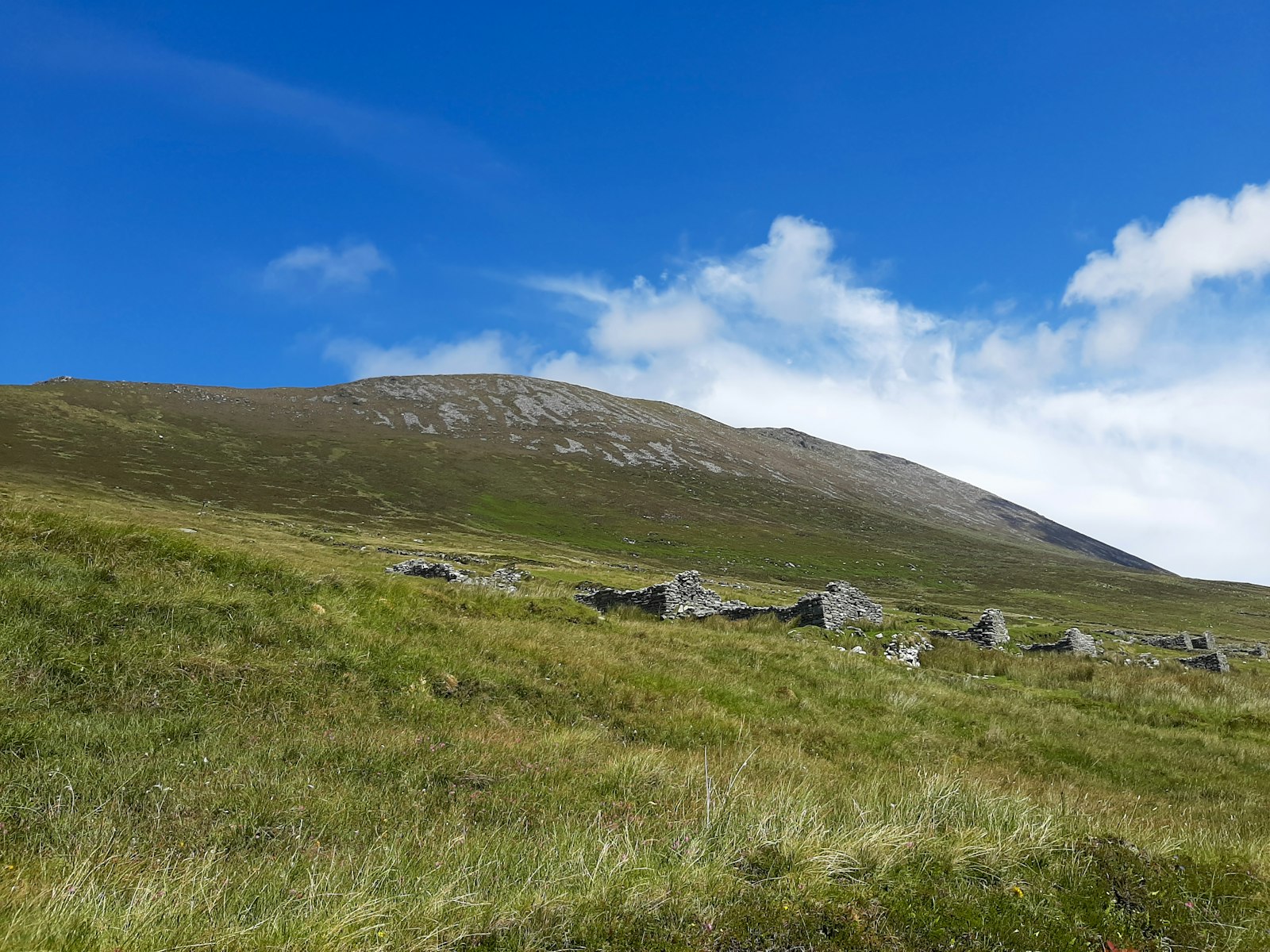
Photo by Theodora . on Unsplash
When most people think of Ireland’s landscape, they envision green fields and dramatic coastlines. But to truly understand Irish nature, you must venture into the bogs—the vast areas of peatland that cover approximately 17 percent of Ireland’s land surface and represent one of the country’s most important and most threatened ecosystems. These wetlands, characterized by waterlogged soils rich in partially decomposed plant material, are far more than muddy wastelands. They are complex, living ecosystems that support specialized plant and animal communities found nowhere else on Earth, store vast quantities of carbon, and tell the story of Ireland’s climate history through layers of preserved peat.
What Are Bogs? The Basics of Peat Formation
Bogs are a specific type of wetland that develops under particular environmental conditions. Unlike marshes or swamps, which typically contain mineral soil and decompose organic material relatively quickly, bogs accumulate thick layers of partially decomposed plant material called peat. Understanding how this distinctive landscape and ecosystem develops requires understanding the fundamental ecological and geological processes that drive peat formation.
Bogs develop in wet, cool climates with high rainfall and relatively low evaporation rates. Ireland’s oceanic climate is ideal for bog formation—the island receives abundant precipitation throughout the year, and temperatures remain cool enough that plant decomposition occurs very slowly. When plants die in a bog, the waterlogged conditions and low oxygen levels prevent the microorganisms responsible for decomposition from functioning effectively. Instead of being broken down completely and returning to the soil, plant material accumulates year after year, century after century, forming layers of peat that can be meters thick.
This accumulation creates a positive feedback loop that reinforces bog development. As peat accumulates, the bog surface becomes higher and wetter—water drains away from the surface into layers below, leaving the upper layers waterlogged. The acidic conditions created by waterlogging and the activity of specialized organisms further slow decomposition. Over thousands of years, this process can create peat deposits meters deep and covering thousands of hectares, all derived from accumulated plant material.
Ireland’s bogs began forming after the last ice age, approximately 10,000 years ago, when climate warming created conditions suitable for extensive peatland development. Archaeological evidence, including preserved artifacts and animal remains found in peat, indicates that bogs have been a major feature of the Irish landscape since at least 5,000 years ago. They have continued to expand and contract in response to climate variations, but for the past several centuries, most Irish bogs have been relatively stable features of the landscape.
Types of Irish Bogs: Diversity in Wetland Ecosystems
Irish bogs are not a single, uniform ecosystem but rather encompass several distinct types, each with characteristic plant communities and physical properties. Understanding this diversity is essential for appreciating bog ecology and conservation needs.
Raised bogs are the most distinctive and ecologically significant bog type in Ireland. These are bogs whose surface has become elevated well above the surrounding mineral soil and water table, creating domed shapes that are particularly visible from aircraft. Raised bogs develop from ancient water-filled basins, typically in areas of lower elevation surrounded by mineral soils. As peat accumulates, it creates a raised surface that is hydrologically independent—rainwater falling on the raised surface runs off toward the edges rather than flowing into the underlying mineral groundwater. This creates very specific ecological conditions found nowhere outside raised bogs.
Blanket bogs represent the other major bog type in Ireland and are particularly common in upland areas and in the west of the country. Rather than being confined to basins or raised above surrounding terrain, blanket bogs develop on sloping ground, spreading like a blanket across hillsides and uplands. Blanket bogs develop in areas with extremely high rainfall and cloud cover, where waterlogging is more or less permanent across extensive areas. Some Irish blanket bogs are particularly extensive, covering hundreds of square kilometers of upland terrain.
Transitional bogs and other intermediate types exist as well, representing mixes of raised and blanket bog characteristics or transitional stages between bog types. Fens—wetlands with greater mineral soil influence than true bogs—also occur throughout Ireland, though they are often less extensive than true bogs. These fens can support different plant communities than peat bogs and often harbor particular plants and animals of conservation interest.
The Living Bog: Flora and Fauna of Peatlands
The plants that inhabit bogs are not the typical plants of meadows or forests. Instead, bog plant communities consist of species specially adapted to the unique conditions of waterlogged, acidic, nutrient-poor peat. Sphagnum mosses are the most characteristic bog plants, and they are fundamental to bog ecology. These mosses have a remarkable capacity to absorb and hold water—sphagnum can hold up to 20 times its own weight in water—making them crucial to the bog’s hydrology. Different sphagnum species dominate in slightly different conditions within the bog, creating a diversity of sphagnum communities.
Alongside sphagnum, raised bogs typically support low-growing shrubs adapted to the nutrient-poor, acidic conditions. Heather, bilberry (also called blueberry in some regions), and crowberry are common. These small, woody plants provide color and structure to the bog landscape. In spring and summer, the flowers of these plants add hues of pink, purple, and white to the green moss landscape. Some rare plant species are found almost exclusively in Irish bogs—species like intermediate sundew and various cotton grasses have distributions largely restricted to peatlands.
The animals inhabiting bogs represent another major component of bog ecology, though they are often less visible to casual observers than the plants. Invertebrates are particularly abundant and diverse in bogs. Sphagnum-dwelling spiders, mites, and other arthropods are extremely numerous—one square meter of sphagnum might contain thousands of individual arthropods. These invertebrates feed on detritus and microorganisms, forming the foundation of bog food webs. Specialized insects, including some species found nowhere else on Earth, have evolved to exploit the unique conditions of Irish bogs.
Larger animals also inhabit bogs, though many are more associated with the edges of bogs than with the bog interior. Red grouse nest on blanket bogs and feed on the heather and other plants there. Golden plovers breed on wet blanket bogs, their plaintive calls echoing across exposed uplands. Curlews and other wetland birds nest in bog habitats. Otters hunt in bog streams and pools. These larger animals are often charismatic and visible to visitors, making them important for public appreciation of bog ecosystems.
Bogs as Carbon Stores: Climate Change Implications
In recent decades, scientists have recognized that bogs play a crucial role in the global carbon cycle and climate regulation. Although bogs cover only a small fraction of Earth’s land surface—approximately 3 percent—they store nearly one-third of the carbon held in all the world’s soils. This carbon represents atmospheric CO2 that was incorporated into plants through photosynthesis over thousands of years. Because decomposition is so slow in bogs, this carbon remains stored in peat rather than being released back to the atmosphere.
This means that intact, functioning bogs are not just ecosystems of ecological interest—they are climate-regulating entities of global significance. A large, healthy raised bog stores carbon that would otherwise contribute to atmospheric CO2 and climate warming. The implications are profound: protecting and restoring bogs represents a significant climate mitigation strategy.
However, when bogs are damaged through drainage, peat extraction, or other disturbances, this balance is disrupted. Drained peat oxidizes, releasing stored carbon to the atmosphere as CO2 and methane. This has significant climate consequences. Some scientists estimate that degraded and drained bogs in Ireland contribute substantially to the country’s greenhouse gas emissions. Conversely, restoring damaged bogs—allowing water tables to rise and the ecosystem to recover—can potentially reverse this carbon release and return bogs to functioning carbon stores.
This recognition has created powerful arguments for bog conservation and restoration, arguments that extend beyond simple biodiversity protection to include climate change mitigation. Protecting Irish bogs is not just good for Irish wildlife; it’s good for the global climate system.
Human Relationships with Bogs: Exploitation and Transformation
For centuries, Irish people have extracted resources from bogs and been shaped by bog ecology. Peat has been the primary fuel source for heating and cooking in rural Ireland for centuries. The practice of cutting sod—extracting blocks of peat from bog surface for fuel—is an ancient practice that continues in some rural areas. Historically, this small-scale, sustainable peat extraction had modest impacts on bog ecosystems. A family cutting peat from a small area of bog for their own household use removed peat that would continue to accumulate, but the impacts were localized and manageable.
Industrial-scale peat extraction for electricity generation and horticultural peat has had vastly different impacts. Beginning in the mid-twentieth century, large-scale peat extraction facilities, operated by the state-owned company Bord na Móna, dramatically transformed extensive bog areas. Entire raised bogs were drained and excavated, destroying habitats and converting them to industrial landscapes. The extracted peat was used to fuel thermal power plants that generated electricity for much of the Irish population, and some was sold for use in horticulture in Ireland and abroad.
This industrial-scale peat extraction had profound ecological consequences. Rare plant and animal species found only in affected bogs disappeared. The carbon stores accumulated over millennia were oxidized and released to the atmosphere. The hydrological properties of entire bog areas were fundamentally altered. Some of Ireland’s rarest bogs were largely destroyed before their ecological value was fully recognized or protected.
Archaeological remains preserved in peat have also been extracted and studied, revealing aspects of Ireland’s ancient history. The famous bog bodies—remarkably preserved human remains from prehistoric and early historic times—were discovered in bogs and have provided invaluable information about ancient Irish society, diet, and even the causes of death of these ancient people. While archaeological investigation of bogs has sometimes disturbed bog ecosystems, the archaeological information gained has been scientifically invaluable.
Bog Conservation: Protecting an Ancient Ecosystem
In the final decades of the twentieth century, recognition of bogs’ ecological value and the threats they faced led to conservation efforts. Ireland designated many bogs as protected areas under both national law and EU environmental legislation. The European Union’s Habitats Directive specifically protects bogs, classifying them as habitats of community interest.
Conservation efforts have focused on several priorities. First, protecting remaining intact bogs from further extraction and damage is essential. Several large raised bogs have been placed under complete protection and management for conservation. Second, restoration of damaged bogs has begun in some locations. Bog restoration typically involves stopping peat extraction, blocking drainage channels to restore waterlogged conditions, and allowing the ecosystem to gradually recover. The rate of recovery can be slow—it may take decades for hydrological conditions to fully restore and for vegetation communities to re-establish—but research shows that properly restored bogs can regain functioning ecology.
Third, sustainable use of remaining peat resources is being pursued. While large-scale industrial peat extraction is being phased out in Ireland, some small-scale peat use continues. Developing practices that allow limited peat extraction while maintaining ecosystem functions represents an ongoing challenge.
Fourth, raising public awareness about bog ecology and value is important for securing political support for conservation. Bog tourism is developing in some areas, allowing visitors to experience these distinctive ecosystems and understand their ecological importance.
Bogs in the Modern Landscape
Today, Irish bogs exist in a landscape dramatically transformed by human activity. Surrounding areas have been converted to agriculture, forestry, and development. This has fragmented bog ecosystems, making some bogs increasingly isolated. Climate change poses emerging challenges, as changing precipitation patterns and temperatures alter the hydrological conditions that bogs depend on.
Despite these challenges, bogs remain important components of Ireland’s natural heritage. The remaining intact bogs support plant and animal species found nowhere else. They continue to accumulate peat and store carbon, contributing to climate stability. They provide habitats for rare species and support traditional ways of life in some communities. They connect modern Irish people to the landscape’s deep history and to the ancient times when bog formation was just beginning.
For visitors to Ireland, bogs represent a landscape type found nowhere in North America and relatively rare in Europe. Visiting a well-preserved bog—walking through sphagnum moss, observing heather and other bog plants, listening to the calls of bog birds—provides perspective on ecological diversity and the variety of ecosystems that make up our planet. Several Irish National Parks and nature reserves provide access to bog ecosystems and interpretation of their ecology.
Conclusion: The Bog as Mirror of History and Climate
Ireland’s bogs are far more than muddy wastelands or relics of primitive fuel use. They are sophisticated ecosystems with complex ecology, repositories of climate history, stores of vast carbon wealth, and habitats for specialized species found nowhere else on Earth. They reflect Ireland’s climate and geography, preserve Ireland’s ancient history, and contribute to global climate regulation.
Understanding and protecting Irish bogs is important for maintaining Ireland’s natural heritage and for supporting Ireland’s climate change mitigation efforts. For those who take the time to visit a bog, observe its plants and animals, and appreciate the ecological relationships that sustain it, the experience provides a new perspective on what “wilderness” and “natural ecosystem” mean in the modern world. The bogs of Ireland are inviting you to step into a living landscape shaped by thousands of years of nature’s own processes—a landscape that is, increasingly, a precious rarity in our heavily human-dominated world.

Author: jonathan
Jonathan is the publisher of Irishtopia.net, Anglotopia.net, and Londontopia.net. He's passionate about travel and learning about other cultures. He's been to Ireland several times, and uses his travel expertise for Irishtopia!