
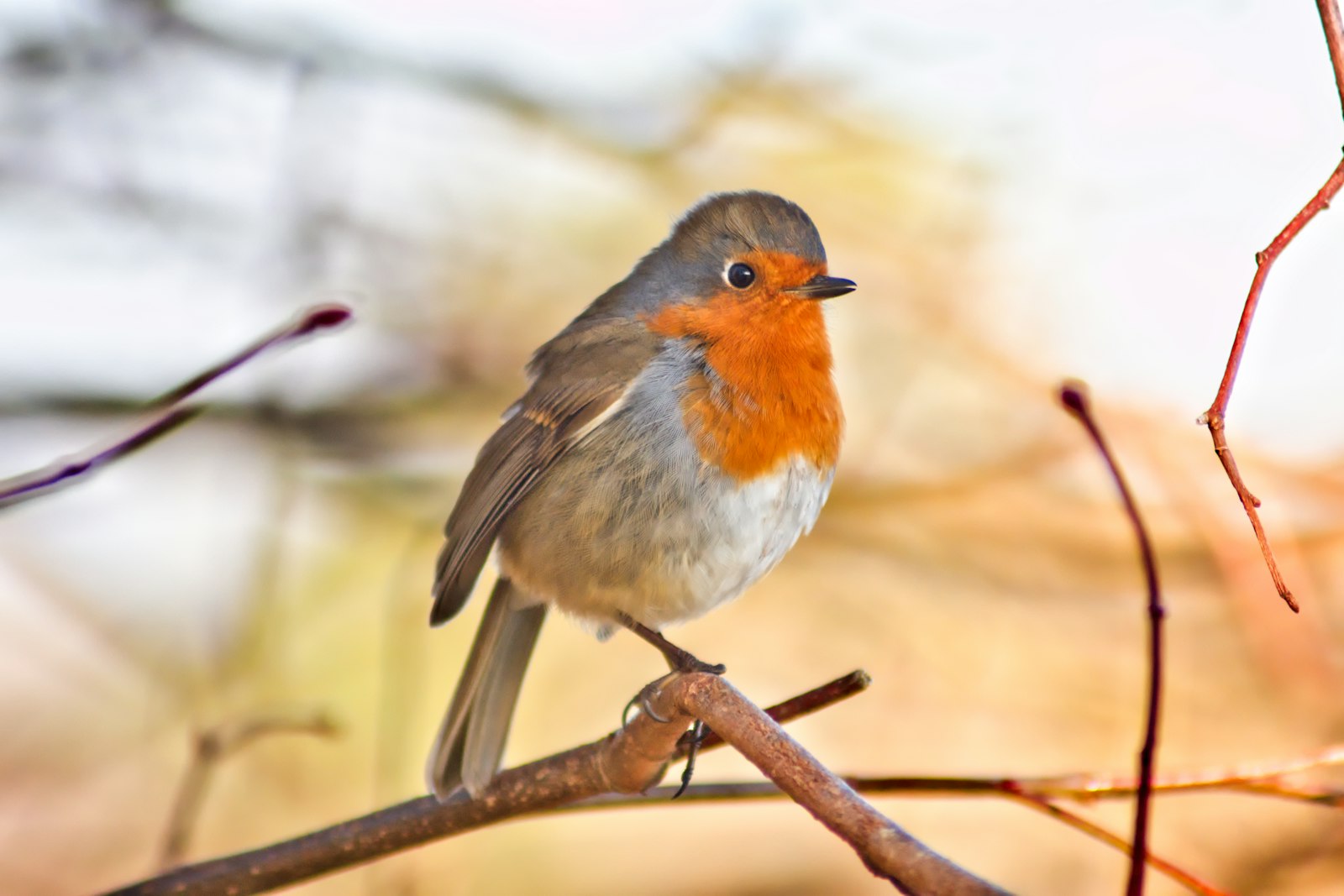
Photo by Jose Nelson Alcocer Amurrio on Unsplash
The skies and hedgerows of Ireland resound with the songs and calls of more than 400 bird species, making Ireland one of Europe’s premier bird-watching destinations. From the common robin that sings from garden fences to the rare white-tailed eagle soaring over coastal mountains, from the familiar house sparrow to the exotic visiting warblers that arrive each spring, Irish birds represent an extraordinary diversity of species adapted to island ecosystems. Understanding how to identify these birds and recognizing the migration patterns that govern their presence in Irish skies dramatically enhances the bird-watching experience and provides insight into the ecological cycles that shape Ireland’s natural rhythms.
Ireland’s Avian Diversity: Who Lives Where
Ireland’s bird communities include several categories of species. Resident birds are present year-round, maintaining stable or fluctuating populations throughout the year. Many of Ireland’s most familiar birds are residents—the robin, wren, blackbird, great tit, and others remain in Ireland throughout winter. These birds are adapted to survive Irish winters, with some growing thicker plumage and changing their diets to seed and berries when insect food becomes scarce.
Summer visitors are species that arrive in spring, breed in Ireland during spring and summer, and depart in autumn. These include many of Ireland’s warblers, swallows, and other migratory songbirds. These species time their arrival to coincide with the abundant food availability of spring and early summer, particularly the explosion of insect populations. By late summer or autumn, as insect food becomes scarce and days shorten, these birds depart, beginning long migrations to African wintering grounds.
Winter visitors arrive in autumn, spend winter months in Ireland, and depart in spring. These include many species of ducks, geese, and other waterbirds from arctic and subarctic regions that cannot survive winters in their breeding grounds. Ireland’s relatively mild winters make it an attractive winter destination for these northern species. Wading birds arriving from northern breeding grounds to winter in Irish estuaries and coastal areas represent another major category of winter visitors.
Passage migrants pass through Ireland during migration periods, typically spring and autumn. These birds breed to the north of Ireland and winter to the south, using Irish habitats as stopover points during their migrations. The spring passage of migrants is particularly spectacular in some locations, with exhausted but determined migrants making final legs of their long journeys northward.
Common Resident Birds: Your Year-Round Irish Companions
The birds most likely to be seen by visitors to Ireland on any given day are typically resident species. The European robin, often simply called “the robin,” is particularly common and familiar. Slightly larger than North American robins and lacking the red breast of American robins, European robins are nonetheless beloved garden birds throughout Ireland. Robins are famous for following people working in gardens, hoping to snatch insects disturbed by the digging. Their distinctive orange-red breast and face make them unmistakable.
The wren is another common resident, though its small size and brown coloration make it less conspicuous than the robin. Wrens are accomplished singers, producing surprisingly loud songs from such small bodies. The saying goes that wrens have the loudest voice relative to body size of any bird. These birds are found in gardens, hedgerows, and any location with sufficient cover.
Blackbirds are abundant throughout Ireland. Male blackbirds are entirely black with yellow-orange eye rings and beaks—unmistakable in their appearance. Females are brown, sometimes with spotted breasts, and are sometimes mistakenly identified as different species by beginning birdwatchers. Blackbirds produce beautiful, flute-like songs and are among the finest singers of Irish birds.
Starlings are gregarious, social birds that often form large flocks. These medium-sized dark birds with iridescent plumage appear nearly black in the field but display remarkable iridescence in good light. Starlings are vocal birds producing whistles, clicks, and mimicry of other bird calls. In autumn, enormous flocks of starlings form “murmurations”—coordinated flight displays of thousands of birds moving in unified wave-like patterns across the sky.
Great tits and blue tits are among the most colorful and frequently observed garden birds. Great tits are black and white with green backs and yellow undersides, while the smaller blue tits are predominantly blue and yellow. Both species readily visit bird feeders, and their presence in gardens has made them among Ireland’s most familiar birds.
Summer Visitors: The Returning Migrants
Beginning in early spring, migrant songbirds begin arriving in Ireland after winter spent in Africa. The swallow is among the most welcomed summer arrivals, often celebrated in Irish culture and literature. These graceful aerial insectivores skim across fields and water, catching insects on the wing. Swallows are highly dependent on insect food and use the year-round Irish summer as the season for breeding and raising young.
Warblers of various species arrive in spring and breed in Irish woodlands and shrubby areas. The willow warbler, chiffchaff, and other warbler species often go unnoticed by casual observers, as many are small, drab-colored birds with subtle field marks. However, these birds are incredibly numerous, and their songs fill Irish woodlands in spring and early summer. Learning to identify warblers by their songs rather than by sight, which is often very difficult, is a rewarding challenge for developing birdwatchers.
The cuckoo is a legendary summer visitor to Ireland. These birds are famous for being “brood parasites”—rather than building their own nests, female cuckoos lay eggs in the nests of other bird species. The cuckoo chick hatches and, through aggressive behavior, ejects the other chicks from the nest, monopolizing the foster parents’ attention. Cuckoos are famous for their distinctive two-note calls, which ring through Irish countryside in spring and early summer.
Flycatchers arrive later in spring than many warblers and depart earlier in autumn. These small birds specialize in catching flying insects, using a “sally and catch” feeding technique where they dart from a perch to catch insects in the air. The spotted flycatcher is particularly common in Irish gardens and parks.
Winter Visitors: Birds from the Far North
Beginning in late autumn, waterbirds from arctic and subarctic regions arrive in Ireland to escape frozen conditions in their breeding grounds. Wigeon, teal, shoveler, and pintail ducks arrive from breeding grounds in northern Europe and Siberia. These dabbling ducks typically occupy freshwater lakes and wetlands, though some species also frequent coastal waters. The arrival of large numbers of wintering ducks marks the transition to winter season in Ireland.
Wading birds arrive to winter in Irish estuaries and coastal areas. Knots, dunlins, redshanks, and oystercatchers arrive in numbers, sometimes forming enormous flocks that swirl and dance in synchronized flight patterns. These birds probe mudflats and sandy shores for invertebrate prey, their long beaks adapted for extracting small animals from sand and mud.
Whooper swans and other geese species arrive from northern breeding grounds. Whooper swans, with white plumage and yellow and black beaks, are particularly striking. Some wintering swan populations in Ireland number several thousand birds, concentrated in particular lakes and wetlands. These elegant birds are cherished by both casual observers and dedicated birdwatchers.
Gulls, particularly great black-backed gulls and herring gulls, become increasingly abundant in winter, particularly around coasts and in urban areas where food waste provides reliable feeding opportunities.
Identification Essentials: Tools and Techniques for Beginning Birdwatchers
Successful birdwatching depends on understanding the tools available for bird identification. A good pair of binoculars is essential for observing birds at a distance. Ten-power magnification is suitable for most birdwatching situations in Ireland. Lightweight models are preferable, as they can be carried comfortably for extended periods.
Field guides specific to Irish birds provide essential reference material. Guides illustrating all species likely to be encountered in Ireland, with accurate colors and descriptions of field marks (distinctive visual features), are available in various formats, including printed guides and smartphone apps. Learning to identify birds by sight involves observing overall shape, size, and proportions; identifying distinctive color patterns and markings; and noting behavioral characteristics.
Birdsong identification dramatically enhances birdwatching capabilities. Many Irish birds, particularly warblers and other small songbirds, are much easier to identify by sound than by sight. Smartphone apps recording songs and calls of Irish birds make learning bird vocalizations possible without extensive field experience.
Understanding habitat preferences helps predict which birds might be encountered in particular locations. Warblers prefer woodlands and shrubby areas; open moorland birds occupy upland areas; coastal species congregate near cliffs and beaches; waterfowl inhabit lakes, rivers, and estuaries.
Migration: The Greatest Avian Journey
The migrations of Irish birds represent one of nature’s most remarkable phenomena. Many summer-visiting songbirds breed in Ireland but spend winter in West Africa or Central Africa—a journey of several thousand miles. Small warblers weighing only about half an ounce undertake these incredible journeys, navigating across vast expanses of ocean and unfamiliar terrain using instinctive navigation abilities that science is still working to fully understand.
Autumn migration, when birds depart Ireland in preparation for winter, typically begins in late August or early September. Different species migrate at different times—some warblers are already departing by mid-August, while others remain into September. Autumn migration is generally more leisurely than spring migration, with birds taking several weeks to reach their winter destinations. This allows them to stop and feed along the way, replenishing energy reserves depleted by raising broods.
Spring migration in March, April, and May is characterized by rapid movement and bird-watching can be spectacular. Migrating birds are often more vocal and visible than residents, and migration waves bring unexpected species to Irish locations. Spring rarities—birds blown off course during migration—occasionally appear in Ireland, providing exciting birding opportunities.
Fall migration also brings winter visitors to Ireland from northern breeding grounds. Ducks, geese, wading birds, and other waterbirds arrive during autumn months and remain through winter, departing again in spring.
The mechanisms allowing birds to navigate across thousands of miles of ocean and unfamiliar terrain to reach precise locations represent some of nature’s great mysteries. Birds likely use multiple navigation systems including the position of the sun and stars, the earth’s magnetic field, recognition of landscape features, and possibly detection of subtle environmental cues that science has not yet fully understood. GPS tracking devices attached to birds by researchers have revealed some migration routes in remarkable detail, but much remains to be discovered about avian navigation.
Key Birdwatching Locations in Ireland
Several locations in Ireland are particularly renowned for birdwatching opportunities. Wetland areas including Lough Neagh in Northern Ireland, Corkscrew Hill, and various estuaries support enormous concentrations of waterbirds. Coastal areas including the Cliffs of Moher and various headlands are excellent locations for seabirds and for observing migrating raptors during autumn. Upland areas support moorland specialists like red grouse and golden plovers. Woodlands throughout Ireland support resident and migrant songbirds.
The Skellig Islands off the coast of County Kerry are particularly famous for seabirds, including large colonies of puffins and various gull and petrel species. Visiting the Skellig Islands offers extraordinary seabird-watching opportunities, though access is weather-dependent and requires boat travel.
Threats to Irish Birds and Conservation Efforts
Despite their diversity, Irish birds face multiple challenges. Habitat loss, particularly the loss of hedgerows and small woodlands in agricultural areas, has caused declines in populations of many species. Climate change is altering the timing of migration and the availability of food resources. Some intensive agricultural practices reduce insect populations, affecting insectivorous birds.
Collision with windows, power lines, and wind turbines causes bird deaths in various locations. Predation by outdoor domestic cats is a significant source of mortality for some bird species, particularly ground-nesting birds and fledgling songbirds.
Conservation efforts include habitat restoration, protection of breeding sites, and public education about bird conservation. Bird-feeding stations in gardens provide supplemental food during harsh winters and are enjoyed by millions of Irish people. Protected areas like National Parks and Special Protection Areas for Birds provide refuges for bird populations.
Conclusion: Wings Over Ireland
Ireland’s birds represent one of the island’s great treasures. Their songs fill Irish countryside in spring, their migrations demonstrate nature’s extraordinary capacities, and their presence reminds us of the interconnectedness of global ecosystems. The robin on the garden fence, the swallow skimming above a summer meadow, the flock of ducks on a winter lake—each represents not just an individual bird but a connection to larger ecological and evolutionary stories.
Taking time to observe and appreciate Irish birds—learning their names, understanding their ecology, and marveling at their migrations—enriches any visit to Ireland. Whether you’re a dedicated birdwatcher pursuing rare species or simply a nature lover enjoying the ordinary birds around you, Ireland’s avian community offers endless opportunities for observation, appreciation, and wonder.

Author: jonathan
Jonathan is the publisher of Irishtopia.net, Anglotopia.net, and Londontopia.net. He's passionate about travel and learning about other cultures. He's been to Ireland several times, and uses his travel expertise for Irishtopia!