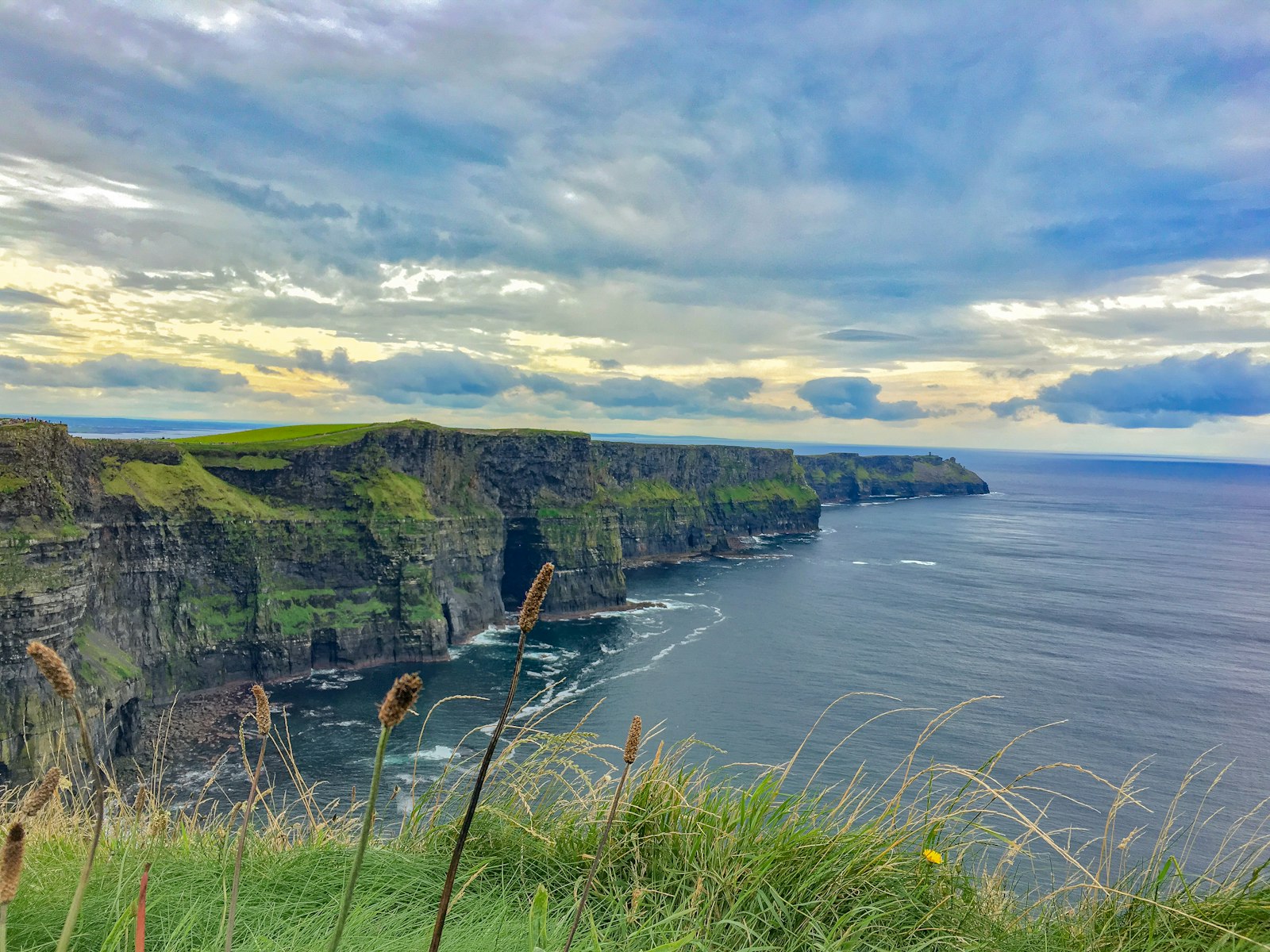
Photo by Leighton Smith on Unsplash
The Atlantic salmon holds a unique place in Irish culture, history, and ecology. For centuries, Irish rivers have thundered with the sound of rushing water and leaped with the silver bodies of salmon returning from the Atlantic Ocean to spawn in the rivers of their birth. These remarkable fish are more than just a food source or a target for anglers—they are ecological engineers, cultural icons, and windows into understanding one of nature’s most extraordinary life cycles. Today, Irish salmon face unprecedented challenges, yet their story remains one of resilience, adaptation, and the interconnected relationships that bind ocean, river, and human communities together.
The Atlantic Salmon: Nature’s Remarkable Migrant
Atlantic salmon are among the most remarkable fish in the world’s oceans, possessing a life cycle so complex and improbable that it seems almost like a story crafted by fantasy authors rather than evolution. These are true anadromous fish, meaning they are born in freshwater rivers, spend most of their lives in the ocean, and return to freshwater to reproduce. What makes this journey even more astonishing is that these fish return to the exact river—sometimes to within a few yards of the stream—where they were born, often years after they left as tiny juveniles.
A salmon’s life begins not in the open ocean but in the gravel beds of Irish rivers, where eggs laid by spawning adults remain throughout winter, protected from the worst of the cold. In spring, these eggs hatch into tiny alevins, which are not yet recognizable as salmon but remain in the gravel, surviving on nutrition from their yolk sacs. As the alevins develop and grow, they emerge from the gravel as fry—miniature versions of adult salmon, only an inch or two in length. These juvenile salmon, called parr while they remain in freshwater, begin feeding on insects and small invertebrates, gradually growing and developing the skills they’ll need for the ocean.
Young salmon spend anywhere from one to four years in Irish rivers, depending on the river, the year, and the individual fish. During this period, they establish and defend territories against other young salmon, consuming vast quantities of aquatic invertebrates as they grow. They survive predation by herons, otters, and larger fish, while avoiding the fishing hooks and nets of humans. The strongest, fastest-growing juveniles develop the skills and resilience that will serve them well in their ocean journey.
When the time comes—triggered by seasonal changes in day length, water temperature, and other environmental cues—young salmon undergo a remarkable transformation. Their bodies change in preparation for ocean life. They develop a silvery coloration instead of the dark, spotted parr markings of their juvenile form. Their gill systems and kidneys undergo physiological changes that allow them to cope with salt water instead of fresh water. This process, called smoltification, occurs over weeks, and when it’s complete, the young salmon are ready to leave the rivers and enter the ocean.
The Ocean: Journeys of Thousands of Miles
Once salmon reach the ocean, they begin migrations of staggering proportions. Amazingly, Irish salmon don’t stay in the Atlantic waters near Ireland. Instead, many undertake epic journeys to the North Atlantic, with some traveling thousands of miles to feeding grounds off the coasts of Greenland and Norway. Researchers have tracked salmon in the ocean using various methods, and these studies have revealed migration routes of almost unbelievable complexity and distance.
In the ocean, salmon feed voraciously on small fish and other organisms, growing rapidly and accumulating the fat reserves they’ll need for their journey back to fresh water. Some salmon spend only a single year in the ocean before returning to their home rivers, while others remain at sea for two or even three years. The longer they spend in the ocean, the larger they become. A salmon that returns after a single year at sea, called a grilse, might weigh 4 to 6 pounds. A salmon that spends multiple years in the ocean might weigh 10, 15, or even 20 pounds or more.
The remarkable thing about this ocean phase is that salmon undergo profound physiological and behavioral changes. In the ocean, they are sleek, muscular predators with bright silver sides that help them blend in with their environment. They actively feed, grow, and survive in a vast and sometimes hostile marine environment. Yet somehow, through mechanisms that science is still working to fully understand, they maintain a biological “memory” of their home river—a chemical signature imprinted on their brains during their juvenile freshwater phase.
The Return: Homecoming and Transformation
Triggered by seasonal changes and the maturing of their reproductive systems, salmon begin their return journey to Ireland. This journey is one of the most extraordinary feats in the animal kingdom. Salmon navigate across thousands of miles of ocean using a combination of remarkable abilities. They may use the earth’s magnetic field for large-scale orientation, combined with visual cues, the sun’s position, and mysterious other sensory abilities that scientists are still working to understand. As they approach their home coast, they somehow detect chemical signatures in the water—the precise smell of their natal river—and follow these olfactory clues upstream toward their birthplace.
The return journey is a time of dramatic physical and behavioral transformation. As salmon transition from saltwater to freshwater, their bodies undergo changes as remarkable as their initial oceanward journey. Their silvery, muscular ocean forms begin to change. Many salmon develop dramatic coloration patterns. Male salmon develop extended lower jaws called kype and teeth become prominent. Both males and females cease feeding upon entering freshwater—an astonishing adaptation that means the fish must survive the journey upstream on energy reserves accumulated in the ocean.
This cessation of feeding represents one of salmon’s most significant challenges. Leaping up waterfalls and rapids, fighting against current, and swimming hundreds of miles upstream demands enormous energy expenditure. The salmon must accomplish this feat without consuming a single meal. Their bodies begin to deteriorate in the pursuit of this goal, their flesh loses color and becomes less firm, and their muscles are drawn upon for the energy the journey demands. The journey taxes them so severely that they can lose a third or more of their body weight during their upstream migration.
Salmon in Irish Rivers: Ecological and Cultural Significance
To understand the full importance of salmon, one must recognize that these fish are not simply creatures that exist in isolation. They are part of vast ecological networks that encompass ocean, river, and the land itself. When salmon return to Irish rivers, they bring with them the accumulated nutrients of ocean productivity. When they spawn and die—as all Pacific salmon do, and many Atlantic salmon eventually do—their bodies decompose in the river and surrounding forest, releasing nutrients that traveled thousands of miles across the ocean. These nutrients enrich the soil, feed plants, and support the entire ecosystem of the river valley.
For bears in regions where they live, salmon runs represent a crucial food source that allows them to accumulate fat reserves for hibernation. Ireland has no bears, but otters, seals, herons, and numerous other predators depend on salmon as a major component of their diet. The presence of salmon in Irish rivers shapes the ecology of those rivers and the surrounding ecosystems in profound ways.
Culturally, salmon have occupied a position of immense importance in Irish history and legend. In Celtic mythology, the salmon is portrayed as a creature of ancient wisdom and knowledge. According to Irish folklore, salmon swimming in enchanted pools contain the secrets of the universe. The legendary tale of Fionn mac Cumhaill describes how the hero gained all the world’s knowledge by catching and cooking a magical salmon. This isn’t a coincidence—salmon held genuine cultural significance in pre-Christian Ireland, and their mystical status in Irish legend likely reflects the genuine amazement early Irish people felt upon witnessing the salmon’s extraordinary life cycle.
Historically, salmon fishing has been economically crucial to Irish communities. Rivers that supported abundant salmon supported communities that depended on those fish for food and trade. Salmon remained so economically important that medieval Irish monasteries and nobility fought over control of productive salmon rivers. Rights to fish particular stretches of river were jealously guarded and sometimes traded as currency.
Challenges Facing Irish Salmon Today
The modern era presents unprecedented challenges to Atlantic salmon populations. One of the most significant is the construction of dams and other barriers to migration. Many Irish rivers have been dammed for hydroelectric power generation, water supply, or other purposes. While some dams have fish passes or other mitigation measures, many create barriers that prevent salmon from reaching spawning grounds upstream. Even where fish passes exist, they’re not always effective—salmon frequently have difficulty locating and using them, and the energy expenditure required to navigate them can be significant for already-stressed fish.
Pollution represents another major threat. Industrial pollution, agricultural runoff, and sewage discharge degrade river water quality. Salmon are sensitive to changes in water quality, and polluted rivers cannot support healthy populations. Eutrophication—excessive nutrient loading that causes algal blooms and oxygen depletion—can make rivers unsuitable for salmon. Heavy metals and other toxins accumulate in salmon tissues and damage their health.
Climate change poses increasingly severe challenges to salmon populations. Warming water temperatures stress salmon and affect the timing of life cycle events. Salmon require cool, oxygen-rich water, and warming rivers make survival difficult. Altered precipitation patterns affect river flow—both excessive flooding and low-water conditions can be problematic. Changing ocean temperatures affect the distribution and abundance of salmon prey, potentially making ocean feeding grounds less productive.
Disease and parasites have become increasingly problematic, particularly in regions with intensive salmon farming. Sea lice, parasitic copepods that feed on the skin and gills of salmon, are common in wild salmon populations and can cause severe damage, particularly to juvenile salmon. In some regions, wild salmon populations have been devastated by disease transmission from farmed salmon. While Ireland has farmed salmon operations, some regions have experienced significant impacts on wild populations from sea lice and other disease pressures.
Overfishing poses additional challenges. While commercial salmon fishing in the Atlantic is now restricted, river fishing—both recreational angling and netting—continues in many Irish rivers. If fishing pressure exceeds sustainable levels, it can reduce the numbers of salmon returning to spawn, thus reducing future population sizes.
The Science of Salmon: Research and Conservation
Understanding salmon biology and ecology is essential for effective conservation. Researchers studying Irish salmon populations conduct a range of investigations. Some researchers focus on understanding salmon genetics and population structure, using DNA analysis to determine how populations are related and how they adapt to local conditions. Others study the environmental conditions that support salmon growth and reproduction. Still others use advanced technologies like acoustic telemetry—essentially placing tiny electronic tags in salmon that transmit signals allowing researchers to track their movements—to understand salmon behavior and migration patterns in unprecedented detail.
This research has revealed surprising findings about Irish salmon. Some populations show patterns of earlier river return and spawning than historical records suggest—a potential adaptation to climate change. Other research has shown how important particular river stretches and conditions are for juvenile salmon survival. This knowledge guides conservation efforts by identifying which habitats are most critical to protect.
Conservation organizations throughout Ireland work to restore and protect salmon habitat. Removing obsolete dams, improving fish passes, restoring riparian vegetation, and reducing pollution are all part of the toolkit for salmon restoration. Some projects involve removing barriers that blocked salmon migration for decades, effectively restoring entire river systems to salmon. The results can be dramatic—rivers that had no salmon returning for generations sometimes see spawning salmon again within a few years of barrier removal.
Salmon and Food Culture
The role of salmon in Irish food culture cannot be overstated. Smoked salmon is an Irish culinary staple and export, and fresh salmon remains a prized ingredient in Irish cuisine. The season for fresh salmon fishing marks an important time in the Irish calendar, with restaurants and markets celebrating the arrival of wild salmon with special menus and promotions.
However, the connection between salmon and Irish food culture is increasingly complex. As wild salmon numbers have declined, farmed salmon has become increasingly dominant in both Irish and international markets. Farmed salmon is more affordable and available year-round, yet it lacks some qualities valued by enthusiasts of wild salmon. The culinary and nutritional differences between wild and farmed salmon reflect their different life experiences—wild salmon’s diet of varied ocean prey produces different muscle color and texture compared to farmed salmon’s grain-based diet.
Responsible seafood sourcing has become increasingly important. Consumers concerned about sustainability increasingly seek wild salmon caught using methods that don’t damage ecosystems or deplete populations. Traditional Irish fishing methods, such as fly fishing, catch individual fish selectively, whereas net fishing captures all salmon in particular areas regardless of size or reproductive status. Sustainable salmon management requires balancing the desire for salmon with the need to maintain populations at sustainable levels.
The Future of Irish Salmon
The future of salmon in Irish rivers depends on continued commitment to conservation and adaptation to changing environmental conditions. Many ongoing projects show promise. River restoration efforts, improved fisheries management, pollution reduction, and climate change mitigation all contribute to salmon conservation. However, the challenges facing salmon are significant and interconnected, requiring multifaceted responses.
One encouraging development is the growing recognition among Irish policymakers and the general public that salmon conservation is essential. Government support for river restoration projects, increasing regulatory protections for salmon, and investment in scientific research all indicate commitment to salmon conservation. Younger generations of Irish people increasingly view salmon not just as a food resource but as a key part of Ireland’s natural heritage worth protecting for its own sake.
Conclusion: Ancient Swimmers, Modern Challenges
The Atlantic salmon represents one of nature’s greatest achievements and one of humanity’s greatest challenges to wildlife conservation. These ancient swimmers, following life cycles refined over millions of years, connect the Atlantic Ocean to Irish rivers, transform themselves in ways that still astonish scientists, and complete journeys that humble human explorers. They are, in many ways, a physical embodiment of nature’s interconnectedness—living proof that ecosystems are united across vast distances, and that the health of rivers depends on the health of oceans and vice versa.
For Americans with Irish heritage or those who simply love Ireland’s natural world, Atlantic salmon represent something precious and irreplaceable. These fish have been part of Irish ecosystems and culture for millennia, and their continued presence enriches both. By supporting salmon conservation efforts, choosing sustainably sourced salmon, and recognizing the importance of healthy rivers, visitors and lovers of Ireland can help ensure that future generations will witness the miraculous return of salmon to Irish rivers, leaping against the current in their endless quest to complete their extraordinary life cycle.

Author: jonathan
Jonathan is the publisher of Irishtopia.net, Anglotopia.net, and Londontopia.net. He's passionate about travel and learning about other cultures. He's been to Ireland several times, and uses his travel expertise for Irishtopia!