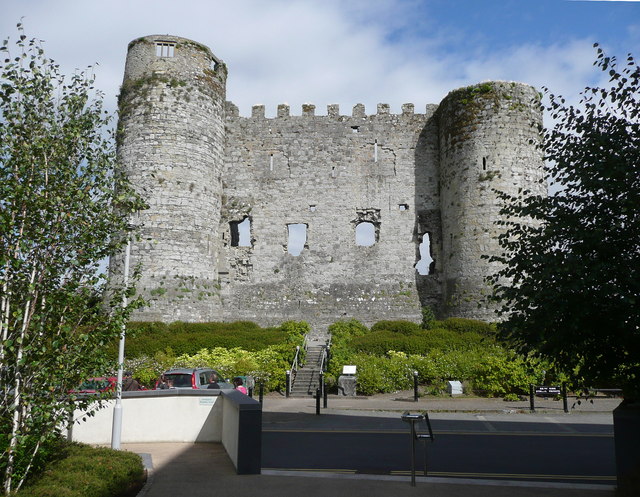
Photo by Humphrey Bolton via <a href="https://www.geograph.org.uk/photo/4195195">Geograph.org.uk</a> licensed under <a href="https://creativecommons.org/licenses/by-sa/2.0/">CC BY-SA 2.0</a>
Carlow Castle is a captivating tourist attraction nestled in the heart of Ireland. With its rich history and breathtaking architecture, this medieval fortress offers an unforgettable experience for American and international visitors alike.
As you step into Carlow Castle, you will be transported back in time to the 13th century. The castle stands proudly on the banks of the River Barrow, exuding an aura of strength and grandeur.
Capture the Moment: Don’t forget your camera! Carlow Castle offers countless photo opportunities, from its majestic towers to the picturesque river views. Remember to share your stunning captures with friends and family back home.
Picnic by the River: Pack a picnic and take advantage of the castle’s scenic location. Enjoy a leisurely lunch on the riverbank, taking in the peaceful atmosphere and appreciating the castle’s beauty from a different perspective.
Explore the Town: After your visit to the castle, take a stroll through the charming town of Carlow. Discover quaint shops, cozy cafes, and traditional Irish pubs. Don’t forget to try some local delicacies and immerse yourself in the warm Irish hospitality.
Carlow Castle is a must-visit destination for history enthusiasts, architecture admirers, and anyone seeking a unique experience in Ireland. Whether you’re traveling from America or anywhere around the world, this enchanting castle promises an unforgettable journey through time.
So, grab your sense of adventure and get ready to be transported back to the medieval era at Carlow Castle.