
Profile
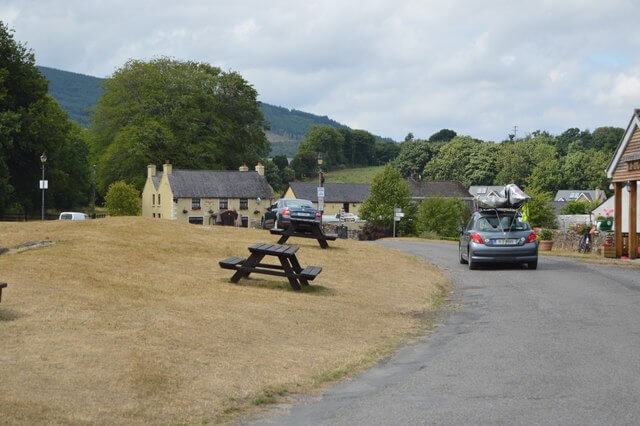
St. Mullins Ecclesiastical Village is a hidden gem tucked away in the lush green countryside of County Carlow, Ireland. This charming village is steeped in history and offers visitors a glimpse into Ireland’s past.
The village is named after St. Moling, a 7th-century saint who founded a monastery here. The village is centered around the ruins of this monastery, which are still visible today. The village is also home to a picturesque Norman motte and a ruined church.
The village is situated on the banks of the River Barrow, which adds to its idyllic charm. Visitors can take a leisurely stroll along the riverbank, taking in the stunning scenery and watching the local wildlife, including otters, kingfishers, and herons.
One of the highlights of a visit to St. Mullins Ecclesiastical Village is a visit to the monastic ruins. The ruins include the remains of a round tower, a nave, and a chancel. Visitors can explore the ruins and learn about the history of the monastery from information panels located throughout the site.
Another must-see attraction in the village is the Norman motte. This is a large, earthen mound that was built by the Normans as part of their fortifications in the area. Visitors can climb to the top of the motte and enjoy panoramic views of the surrounding countryside.
For those interested in history, the village also has a small museum dedicated to the history of the local area. The museum includes exhibits on the monastery, the Norman invasion, and the local wildlife.
Visitors to St. Mullins Ecclesiastical Village can also enjoy a range of outdoor activities. The River Barrow is popular with kayakers and anglers, and there are several walking and cycling trails in the area. The village is also home to a number of traditional pubs and restaurants, where visitors can sample local cuisine and enjoy a pint of Guinness.
If you’re planning a visit to St. Mullins Ecclesiastical Village, there are a few tips to keep in mind. The village is located in a rural area, so it’s best to bring your own transportation. There is limited public transportation to the village, and taxis can be expensive.
It’s also a good idea to bring comfortable walking shoes, as much of the village is only accessible on foot. The monastic ruins and the Norman motte both require a bit of climbing, so visitors should be prepared for some physical activity.
Finally, visitors should keep in mind that St. Mullins Ecclesiastical Village is a popular destination during the summer months, so it can get quite crowded. If you’re looking for a quieter experience, consider visiting during the off-season.
Overall, St. Mullins Ecclesiastical Village is a must-see destination for anyone interested in history, nature, or Irish culture. With its stunning scenery, fascinating history, and range of outdoor activities, the village truly offers something for everyone.
Map
Sorry, no records were found. Please adjust your search criteria and try again.
Sorry, unable to load the Maps API.