
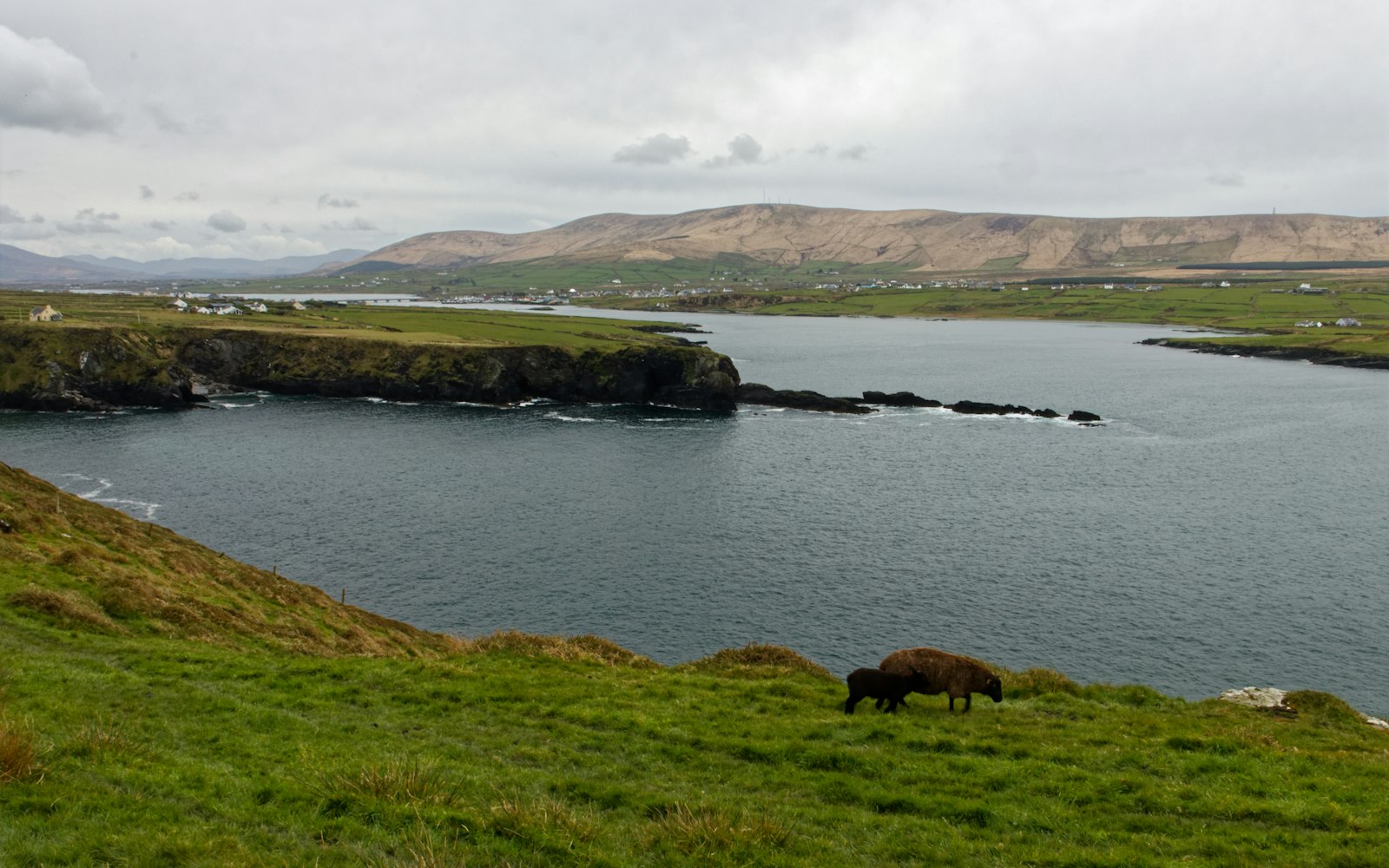
Photo by Pierre Goiffon on Unsplash
Along Ireland’s rocky coasts and in sheltered bays and estuaries, a different kind of wild mammal inhabits waters and coastal rocks. Seals—marine mammals that spend much of their lives in the ocean but must come ashore to rest, breed, and nurse their young—have been part of Ireland’s coastal ecosystems for millennia. Two seal species currently inhabit Irish waters: the harbor seal, also called the common seal, and the grey seal. These intelligent, charismatic marine mammals represent a living connection between the ocean and the land, and observing them in their natural habitat offers visitors and residents insights into Ireland’s marine wildlife and ecological richness.
The Harbor Seal: Ireland’s Smaller Seal Species
Harbor seals are the smaller of Ireland’s two seal species, typically weighing between 100 and 300 pounds, with females smaller than males. These seals display variable coloration, ranging from light brown to dark grey, often with spots or blotches that serve as effective camouflage against rocky substrates where they rest. Their round head, relatively short whiskers compared to grey seals, and overall more compact body shape distinguish them from their larger cousins. Harbor seals are also known as common seals, though “harbor” is more accurate in an Irish context, as these seals are particularly associated with harbors, bays, and estuarine environments.
Harbor seals are highly adapted to life in cool, temperate waters. Their streamlined body shape and powerful flippers allow them to move through water with remarkable agility and speed. In the water, they are skilled hunters, capable of diving to considerable depths—up to 1,000 feet in some cases, though they more typically hunt in shallower waters. Their diet consists primarily of fish, including sand eels, flatfish, and various other species. They are visual hunters, relying on excellent underwater vision to locate and pursue prey.
The distribution of harbor seals in Ireland has a distinctive pattern. These seals are primarily found in coastal areas, particularly in protected bays and estuaries, and along the southern and eastern coasts. Some major populations occur in places like Roaringwater Bay in County Cork, the Shannon estuary, and various locations along the east coast. Harbor seals show strong site fidelity, meaning that individual animals tend to remain in the same areas year after year, establishing territories and hauling out (resting on land) at traditional locations.
The Grey Seal: Ireland’s Larger Seal Species
Grey seals are considerably larger than harbor seals, with adult males weighing up to 700 pounds and females somewhat lighter at 300 to 400 pounds. These impressive marine mammals are distinguished by their larger size, more elongated muzzles, and heavier build compared to harbor seals. Their coloration is typically grey, though considerable variation exists, with some individuals appearing nearly brown or almost black. The distinctive long head and somewhat roman-nosed profile give grey seals a different appearance from harbor seals.
Grey seals are even more accomplished divers than harbor seals, capable of diving to depths exceeding 3,000 feet in pursuit of prey. Their diet consists primarily of fish, including larger species than harbor seals typically hunt, such as cod, pollack, and various flatfish. They are also known to occasionally consume seabirds and cephalopods. The fishing habits of grey seals occasionally bring them into conflict with human commercial fishing interests, as they can deplete fish stocks in localized areas and can get caught in fishing gear.
Grey seal distribution in Ireland differs from that of harbor seals. These seals are found throughout Irish coastal waters, but they are particularly abundant in the west and northwest, where rocky coastlines and islands provide ideal haul-out habitat. Major grey seal populations occur around the Blasket Islands and Skellig Islands in County Kerry, along the western coast of Donegal, and in various other locations. Grey seals show less site fidelity than harbor seals and are more mobile, traveling considerable distances and shifting locations seasonally.
The Seal Year: Breeding, Molting, and Seasonal Patterns
The annual cycle of seal activity follows patterns adapted to reproductive and physiological needs, with quite different breeding seasons for the two species. This difference in breeding timing has important implications for seal behavior and visibility to observers throughout the year.
Harbor seals typically breed in spring, with mating occurring in late spring or early summer (May through July). Pregnant females give birth to a single pup in early summer, typically on a rocky shore or isolated island where the pup is relatively safe from predators and disturbance. Harbor seal pups are born in an advanced state of development and are typically able to swim and forage independently within just a few weeks. After nursing their pups for a few weeks, females come back into estrus (fertility) and mate again, often with the same male they mated with the previous year. This reproductive cycle results in an annual pattern of concentrated pupping activity in early summer.
Grey seals, by contrast, breed in autumn and winter, with most pupping occurring from October through December. This timing is quite different from harbor seals and reflects different evolutionary adaptations. Grey seal pups are born on land and require much longer nursing periods—up to 16 days or longer in some cases. During this nursing period, pups remain ashore while mothers make foraging trips offshore, returning to nurse their pups before heading out to sea again. The pups are weaned and then left to fend for themselves, entering the water for the first time to begin their marine existence.
This difference in breeding timing means that seal watching opportunities vary by season. Spring and early summer visitors to Ireland might observe harbor seal mothers with pups on haul-outs. Autumn and winter visitors might observe grey seal pupping activity in certain locations, particularly around islands and remote coastal areas where grey seals breed.
Both seal species undergo annual molts, shedding and replacing their fur. Seals spend considerable time hauled out during molting periods, remaining relatively stationary on rocks and shores while their skin and fur replace the old coat. The timing of molts varies by location and individual, but generally occurs in spring and summer for harbor seals and summer and fall for grey seals.
Haul-Outs: Where Seals Rest and Socialize
Seals must come ashore regularly, typically resting on rocks, beaches, or islands. These areas where seals gather to rest are called haul-outs. Haul-outs serve multiple functions: they provide safe resting places where seals can sleep, thermoregulate (maintaining body temperature), and socialize with other seals. The characteristics of ideal haul-outs include proximity to good feeding areas, access that is relatively safe from predators, and location where disturbance is minimal.
Different haul-outs support different numbers of seals and vary in their characteristics. Some major haul-outs support hundreds of seals, while others contain only small numbers. The composition of haul-outs can change seasonally and by time of day. Early morning often finds the most seals hauled out, as they have rested overnight. During the day, as seals forage, haul-out populations may decrease. Weather conditions affect haul-out use—seals are more likely to remain ashore during rough weather when foraging is more difficult or dangerous.
For researchers and seal watchers, identifying and monitoring haul-outs is essential for understanding seal populations. Researchers conduct periodic surveys of haul-outs, counting seals and monitoring trends in populations. These surveys have been instrumental in documenting that both harbour seal and grey seal populations in Ireland have been increasing over recent decades, representing successful marine conservation.
Seal Ecology: Apex Predators of Irish Coastal Waters
Both seal species occupy important roles as apex predators in Irish coastal ecosystems. Their presence and abundance affect the populations of fish species they consume and influence broader ecosystem dynamics. Seals consume substantial quantities of fish—a large grey seal might consume 20 or more pounds of fish per day. When seal populations are substantial, the aggregate consumption by all seals in a region represents a significant portion of local fish production.
This predation has ecological consequences. It influences fish population size structures and age distributions, potentially affecting commercial fisheries. It also influences prey fish behavior—the presence of seals creates predation pressure that influences where fish spend time and how they move through habitats. In this way, seals have indirect ecological effects beyond their direct predation.
Seals themselves are prey for some predators. Large sharks, including some species of rays and other fish predators, may prey on seals, particularly younger or smaller individuals. Killer whales (orcas), which occasionally venture into northern European waters, are known to prey on seals in some regions, though they are rare visitors to Irish waters. Historically, humans were major seal predators, hunting them for their fur, meat, and oil. Modern legal protections have ended most seal hunting in Ireland, though occasional conflicts between seals and human interests continue.
Seals and Humans: Interactions and Conflicts
The relationship between seals and human communities has evolved significantly over time. Historically, seals were hunted extensively for their valuable fur and body oil. This hunting, combined with habitat loss and water pollution, caused seal populations to decline substantially. In the twentieth century, particularly after legal protections were established, seal populations began recovering.
Today, most interactions between seals and humans are positive or neutral. Seal watching has become a popular form of wildlife tourism in Ireland. Multiple operators offer boat tours to seal haul-outs and feeding areas where visitors can observe seals in their natural habitat. For many people, seeing a wild seal—observing its intelligence, grace, and wild nature—represents a memorable wildlife experience.
However, conflicts between seals and human interests persist. Some commercial fishermen view seals as competitors for fish stocks, arguing that seal predation reduces fish available for human harvest. In some cases, seals become entangled in fishing gear or are injured by fishing operations. These conflicts are managed through various approaches, including modified fishing practices that reduce seal interactions and economic compensation schemes in some cases.
Seals occasionally appear in unusual locations, such as swimming up rivers or appearing in harbors far from typical seal habitat. These incidents are typically the result of seals following fish migrations or becoming temporarily disoriented. In most cases, seals return to their normal coastal habitats without intervention, though occasionally rescue operations are required if seals become stranded or injured.
Disease represents an emerging concern for Irish seal populations. Seal pox and other infectious diseases have affected seal populations in various regions. Environmental pollution, including plastic debris in the ocean and chemical contaminants, poses ongoing threats to seal health. Climate change may affect seal populations by altering the distribution and abundance of prey fish species.
Seal Watching: How to Observe Seals Responsibly
For visitors interested in observing Ireland’s seals, several approaches offer opportunities to see these remarkable animals. Seal-watching boat tours operate from various coastal towns and villages, typically taking visitors to known haul-outs or feeding areas where seals are regularly observed. These tours offer experienced guides who understand seal behavior and can explain what visitors are seeing. Tours typically maintain appropriate distances from seals to avoid disturbing them.
Shore-based seal watching is also possible in many locations. From coastal vantage points with binoculars or telephoto lenses, patient observers can often locate seals hauled out on distant rocks. Early morning or near dusk often provides the best opportunities, as seals are most visible during these times.
Responsible seal watching requires maintaining appropriate distances and avoiding behaviors that might stress or disturb seals. Seals that are disturbed may rush into the water, expending energy they might have used for rest or other essential activities. Approaching too closely or making loud noises can cause this disturbance. Most seal watching operators are well-informed about responsible practices and ensure that their tours minimize disturbance.
Conservation Status and Future Outlook
Both harbour seal and grey seal populations in Ireland have recovered substantially from their historical lows. The causes of this recovery include legal protection from hunting, improved water quality in some regions, and public support for marine conservation. Current populations are estimated at several thousand individuals of each species, with these numbers apparently stable or increasing.
However, conservation challenges remain. Pollution, including plastic debris and chemical contaminants, continues to affect seal populations. Climate change poses potential long-term challenges if it alters the distribution or abundance of fish species that seals depend on. In some locations, conflicts between seals and fisheries require ongoing management attention.
Marine Protected Areas established in recent years provide additional protection for seal populations by restricting fishing and other activities in areas important for seal feeding and reproduction. These protections are expected to contribute to seal population stability and growth.
Conclusion: Guardians of Ireland’s Coastal Waters
Harbour seals and grey seals are integral parts of Ireland’s marine ecosystems and represent the wild, untamed nature of Ireland’s ocean environment. These intelligent, graceful mammals, perfectly adapted to life in cool Atlantic waters, connect modern observers to the broader marine ecosystem and remind us of the richness of life in Irish waters.
For those visiting Ireland, taking the time to observe seals in their natural habitat—whether from a boat tour or a rocky coastline—provides perspective on Ireland’s natural heritage. These animals have survived hunting, habitat loss, and pollution to recover and thrive in modern Irish waters. Their presence is both a testimony to nature’s resilience and a reminder of the ongoing need for conservation. The next time you visit a rocky Irish coastline, look carefully for the dark shapes on distant rocks. You might be lucky enough to glimpse one of Ireland’s seals—a wild, free-ranging mammal in its native habitat, a living symbol of Ireland’s natural richness.

Author: jonathan
Jonathan is the publisher of Irishtopia.net, Anglotopia.net, and Londontopia.net. He's passionate about travel and learning about other cultures. He's been to Ireland several times, and uses his travel expertise for Irishtopia!